
A Gorilla Trekking Company unlocking the Wonders of East Africa. At Marvel Gorilla Adventure, we aren’t just a travel company – we are passionate conservationists, storytellers, and explorers dedicated to connecting travelers with the awe-inspiring world of mountain gorillas and the wild beauty of East Africa.
Akagera National Park is Rwanda’s only savannah park and one of its most remarkable conservation success stories. Located in northeastern Rwanda along the border with Tanzania, the park spans about 1,122 square kilometers (433 square miles) and features a stunning mix of savannah plains, rolling hills, woodlands, lakes, and wetlands. Named after the Akagera River, which flows through the park and feeds a network of lakes including Lake Ihema, the park is also home to one of the largest protected wetland systems in East-Central Africa.
Established in 1934 by the Belgian colonial government, Akagera was created to protect its rich wildlife at a time when species were under increasing threat. Over the years, the park faced serious challenges from poaching and habitat loss, leading to the decline of many species, including the disappearance of black rhinos and African wild dogs. However, through strong conservation efforts and partnerships—especially with African Parks—the park has undergone a remarkable revival. Today, species like lions and rhinos have been successfully reintroduced, restoring Akagera as a thriving wildlife haven.
Unlike Rwanda’s forest parks, Akagera offers a classic African safari experience, where visitors can explore open landscapes and encounter a wide variety of wildlife. It is now one of the few places in Rwanda where you can see the Big Five, along with over 520 bird species, making it a top destination for both wildlife viewing and birdwatching.
With its rich biodiversity, scenic beauty, and inspiring conservation story, Akagera National Park stands out as a must-visit destination for travelers seeking an authentic and rewarding safari experience in Rwanda.
Akagera National Park is home to a wide range of wildlife spread across its savannahs, woodlands, and wetlands. While it may not have the same high animal density as some of Africa’s most famous safari parks, its varied landscapes and rich biodiversity make it a rewarding destination. Visitors can encounter large mammals, primates, and aquatic species, along with an impressive array of birdlife.
Akagera is the only place in Rwanda where visitors can see the Big Five: elephants, buffaloes, lions, leopards, and black eastern rhinos. The successful reintroduction of lions and rhinos is a major conservation achievement, restoring the park’s status as a complete safari destination and offering visitors a chance to see these iconic animals in the wild.
The park is also rich in other wildlife, including giraffes, zebras, and over 11 species of antelope such as impalas, topis, waterbucks, bushbucks, elands, and the rare sitatunga. Other animals like warthogs, hyenas, serval cats, bush pigs, and various primates can also be spotted. In wetland areas, boat safaris offer sightings of hippos, crocodiles, and occasionally elephants cooling off in the water.
Akagera is a paradise for birdwatchers, with over 520 bird species recorded in the park. Notable species include the shoebill stork, papyrus gonolek, African fish eagle, and grey crowned crane, along with many migratory birds. Its mix of lakes, wetlands, and savannah habitats makes it one of the best birding destinations in East Africa, with excellent sightings throughout the year.
Akagera National Park offers an authentic African safari experience where visitors can encounter the Big Five—lion, elephant, buffalo, leopard, and rhino—in one destination. What makes the park even more remarkable is its transformation from a once-depleted ecosystem into a thriving wildlife haven, thanks to strong conservation efforts by the Rwanda Development Board and African Parks. Today, it stands as one of Rwanda’s top safari destinations, combining rich wildlife, scenic landscapes, and a powerful conservation success story.
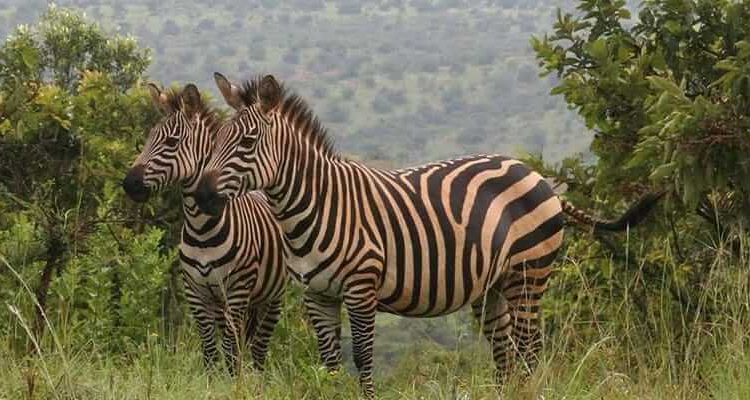
Akagera National Park offers a wide range of activities that allow visitors to experience its wildlife, landscapes, and conservation efforts in different ways. From classic safaris to water-based adventures and guided nature walks, there is something for every type of traveler.
Game drives are the main highlight of visiting Akagera, offering the best opportunity to explore the park’s rich wildlife. Visitors can choose between morning, afternoon, or night game drives, each providing a different experience depending on animal activity. The early morning (around 6:30 AM) and late afternoon are the best times to spot wildlife such as the Big Five, giraffes, zebras, antelopes, and more.
Morning drives run from 6:30 AM to 11:30 AM, afternoon drives from 12:00 PM to 5:00 PM, and night drives from 5:30 PM to around 8:30 PM, where nocturnal animals like leopards, hyenas, and bush babies can be seen. Game drives can be done in a 4×4 safari vehicle with a guide or as a self-drive experience with prior permission. Guided tours are highly recommended for better wildlife sightings and expert insights.

A boat safari on Lake Ihema is one of the most relaxing and scenic experiences in Akagera. These one-hour cruises take you through waters filled with hippos and Nile crocodiles, while the surrounding shores are home to a variety of water birds.
Boat safaris are available at different times of the day, including morning, afternoon, and sunset cruises, with the sunset option being especially popular for its stunning views and peaceful atmosphere. Guided by experienced rangers, the experience combines wildlife viewing with insights into the lake’s ecosystem.
With over 520 recorded bird species, Akagera is one of the best birdwatching destinations in East Africa. Birding is most rewarding during early mornings and late afternoons, when birds are most active.
Visitors can spot a wide range of species across different habitats, including shoebill storks, papyrus gonoleks, African fish eagles, and grey crowned cranes. The best birding areas include lakes, wetlands, papyrus swamps, and open savannahs, each supporting unique species. Guided birding tours are highly recommended for identifying rare and endemic birds.
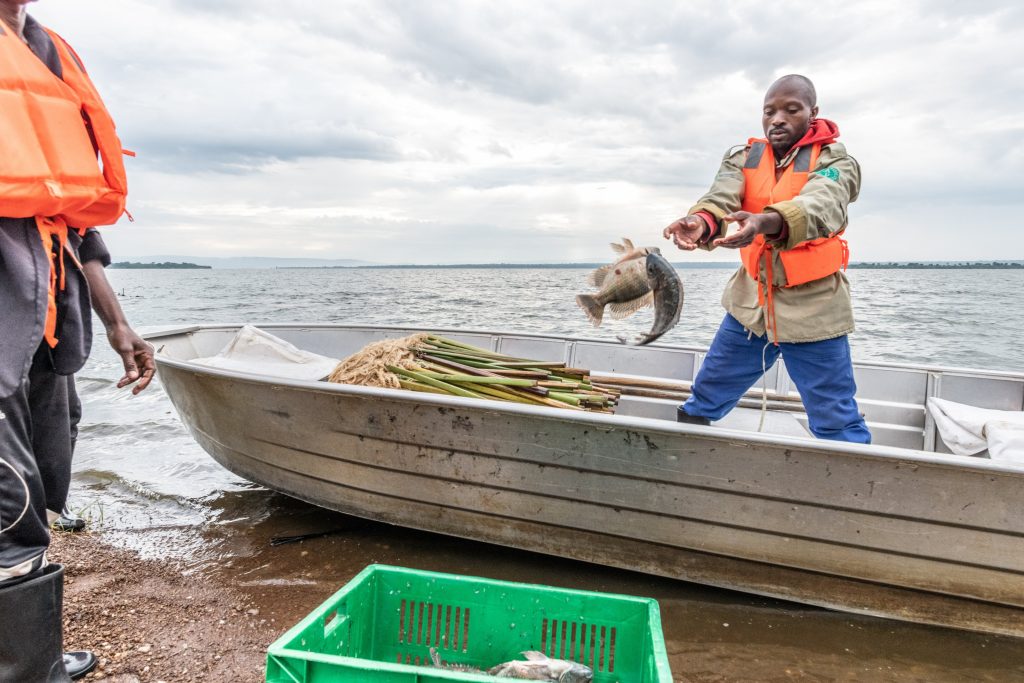
Fishing in Akagera is a unique and relaxing activity, offered mainly at Lake Shakani, the only designated fishing area in the park. The lake is known for species like tilapia and catfish, providing a rewarding experience for fishing enthusiasts.
Visitors can use different traditional fishing methods such as net fishing, casting, and scooping, often guided by local fishermen who share their knowledge and stories. Beyond fishing, it’s a peaceful way to enjoy the natural surroundings, listen to bird calls, and observe wildlife near the water.
For those who prefer exploring on foot, Akagera offers several guided hiking and walking experiences. These walks provide a closer look at the park’s landscapes, plants, and smaller wildlife.
The Walk the Line Tour is a 7 km guided walk along the park’s perimeter fence, offering scenic views and insight into park management. Short guided nature walks (1–3 hours) are also available, allowing visitors to learn about animal tracks, plants, and birdlife.
For more adventurous travelers, the primitive walking trail offers a multi-day trekking experience through remote areas of the park, with nights spent under the stars, providing a deeper connection with nature.

Akagera offers accommodation options for different budgets:
The best time to visit Akagera is during the dry seasons, from June to September and December to February. During this period, wildlife is easier to spot as animals gather around water sources, and roads are more accessible for game drives.
The wet seasons (March to May and October to November) offer lush green landscapes and excellent birdwatching opportunities, though some roads may be more challenging due to rain.
Akagera National Park is located about 2.5 to 3 hours’ drive from Kigali, making it easily accessible. The roads are generally good, and the drive offers scenic views of Rwanda’s countryside.
Visitors can travel by private car, guided safari vehicle, or organized tour, with many choosing to combine Akagera with other destinations like Volcanoes or Nyungwe National Parks.
Is Akagera worth visiting?
Yes, it’s the best place in Rwanda for a classic Big Five safari experience.
Can you see the Big Five in Akagera?
Yes, all Big Five animals are present in the park.
How many days do you need?
A 2–3 day safari is ideal to fully explore the park.
Akagera National Park offers a refreshing contrast to Rwanda’s forested parks, delivering a classic savannah safari experience with incredible wildlife and beautiful landscapes. Its inspiring conservation story, combined with diverse activities and accessibility, makes it one of the top destinations for anyone exploring Rwanda.
Whether you’re watching elephants roam the plains, cruising past hippos on Lake Ihema, or spotting a lion on a game drive, Akagera promises an unforgettable African safari adventure.
WhatsApp us


