Rwanda Ebola Update 2026: What Every Gorilla Trekker Should Know
Rwanda Ebola Update 2026
Rwanda remains one of Africa’s most popular destinations for gorilla trekking, attracting thousands of visitors each year to Volcanoes National Park. However, following recent Ebola outbreaks reported in parts of East and Central Africa, many travelers planning a Rwanda safari are seeking clarity about the current health situation.
If you are preparing for a gorilla trekking adventure, understanding the latest Rwanda Ebola update is important for making informed travel decisions. The good news is that Rwanda currently has no confirmed Ebola cases and no active Ebola outbreak, and the country continues to welcome tourists from around the world.
This guide provides the latest information on Rwanda’s Ebola status, health and safety measures, and what gorilla trekkers should know before visiting in 2026.
Rwanda Ebola Update 2026: Current Situation
As of 2026, Rwanda remains Ebola-free despite regional concerns involving outbreaks in neighboring parts of East and Central Africa.
The Rwandan Ministry of Health continues to monitor developments closely and has confirmed that there are no active Ebola cases within the country. Tourism activities, business travel, and daily life continue as normal across Rwanda.
International visitors continue arriving through Kigali International Airport, while popular attractions such as Volcanoes National Park, Akagera National Park, and Nyungwe National Park remain fully operational.
For travelers planning a gorilla trekking safari, there are currently no Ebola-related restrictions affecting tourism activities within Rwanda.
Why Travelers Are Concerned About Ebola
Whenever Ebola outbreaks occur in Africa, many travelers assume the entire region is affected. However, Ebola outbreaks are usually localized and confined to specific areas rather than spreading across multiple countries.
Recent Ebola concerns have primarily involved certain regions of the Democratic Republic of the Congo (DRC) and isolated areas near international borders. These developments have prompted neighboring countries, including Rwanda, to increase preparedness and surveillance measures.
As a result, many travelers researching Rwanda gorilla trekking safaris are asking whether it remains safe to visit the country.
The answer remains reassuring: Rwanda has maintained strong public health controls and continues to operate safely as a tourism destination.
Rwanda’s Ebola Prevention and Preparedness Measures
Rwanda is widely recognized for having one of Africa’s strongest healthcare and public health systems. Over the years, the country has invested significantly in disease surveillance, emergency preparedness, healthcare infrastructure, and rapid outbreak response mechanisms. These investments have helped Rwanda successfully prevent and manage various public health threats while maintaining a safe environment for residents and international visitors.
Following recent Ebola outbreaks in neighboring countries, Rwanda moved quickly to strengthen preventive measures across the country. The government continues to work closely with the World Health Organization (WHO), the Africa Centres for Disease Control and Prevention (Africa CDC), and regional health agencies to ensure that the country remains protected from potential cross-border transmission.
Enhanced Border Screening
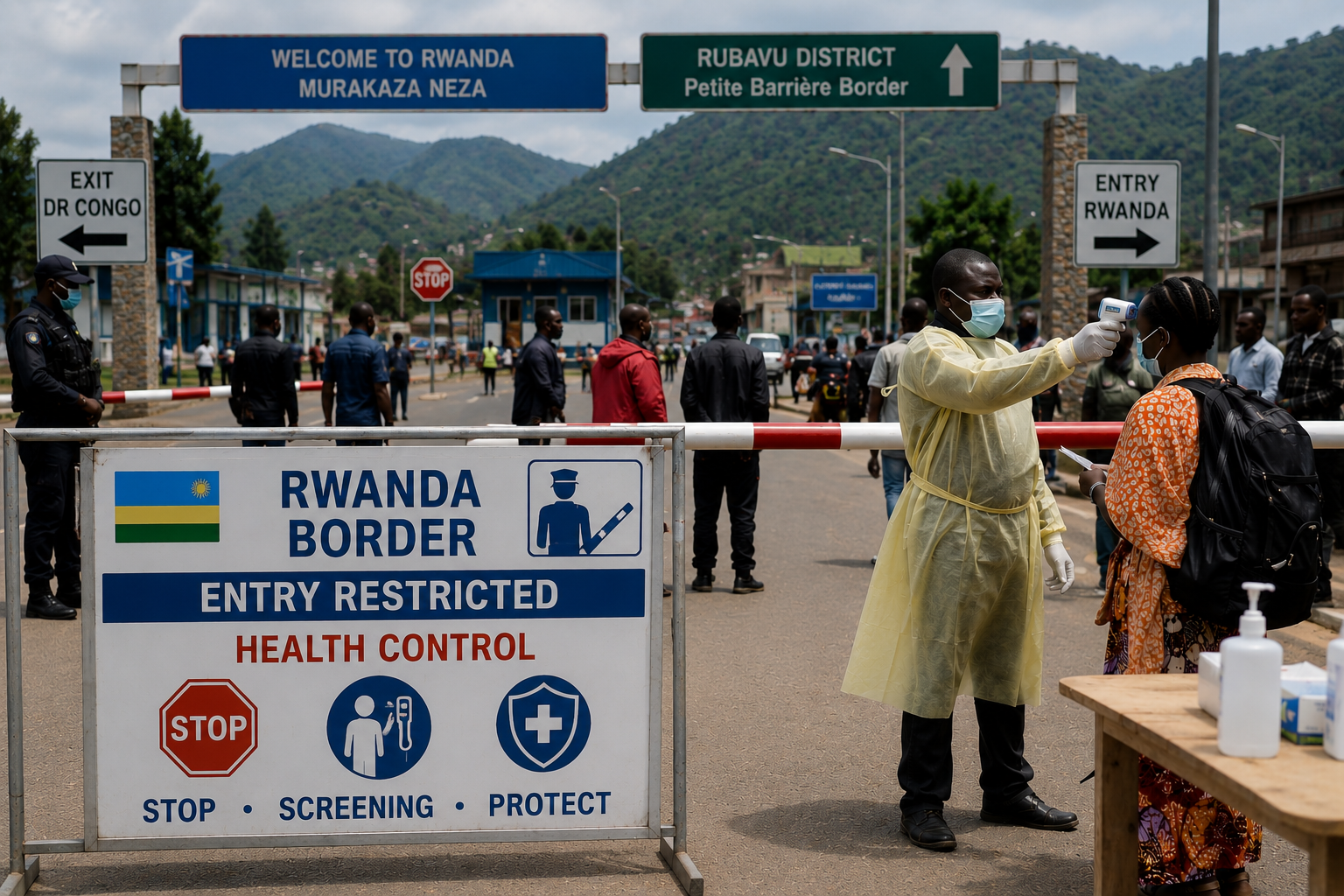
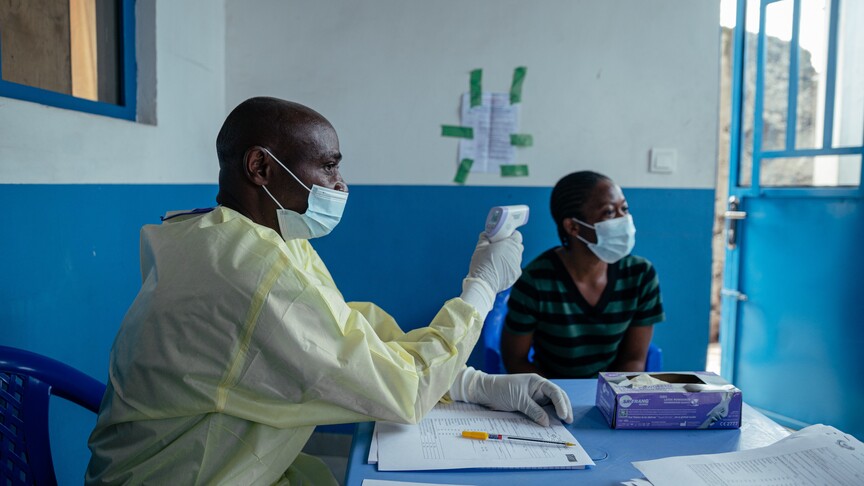
One of Rwanda’s first lines of defense against Ebola is its robust border screening system. Authorities have increased health monitoring at major land border crossings, airports, and other points of entry into the country.
Travelers entering Rwanda may undergo several health screening procedures designed to identify potential risks before they enter the country.
Temperature Screening
Health officials conduct temperature checks for arriving travelers.
Fever is often one of the earliest symptoms of Ebola. Screening helps identify individuals who may require further medical evaluation before entering the country.
Health Questionnaires
Visitors may be asked to complete health declaration forms.
These forms provide information about recent health conditions, symptoms, and possible exposure to infectious diseases.
Travel History Assessments
Authorities may review a traveler’s recent movements.
This helps identify visitors who may have recently traveled through areas experiencing active Ebola outbreaks.
Enhanced Border Monitoring
Additional screening measures are implemented at selected border crossings considered higher risk.
Health teams remain on standby to respond quickly if any suspected cases are identified.
These border screening procedures play a critical role in preventing infectious diseases from crossing into Rwanda while allowing tourism and business travel to continue safely.
Increased Disease Surveillance
Rwanda has significantly strengthened disease surveillance systems throughout the country to ensure any suspected cases are detected and investigated quickly.
Surveillance efforts focus particularly on districts near international borders and areas with frequent cross-border movement.
Monitoring High-Risk Areas
Health authorities conduct regular monitoring in communities located near neighboring countries.
This helps detect unusual illnesses early and supports rapid response efforts when necessary.
Healthcare Worker Training
Medical professionals across Rwanda receive continuous training on Ebola preparedness.
Training programs help healthcare workers remain updated on the latest detection and response procedures.
Ebola Recognition
Healthcare personnel are trained to recognize Ebola symptoms quickly.
Early identification is essential for preventing further transmission and ensuring rapid medical intervention.
Reporting Procedures
Health facilities follow strict reporting systems.
Any suspected cases can be communicated immediately to public health authorities for investigation.
Contact Tracing Capacity
Specialized teams are trained in contact tracing techniques.
If a suspected case were identified, authorities could rapidly locate and monitor anyone who may have been exposed.
Community-Based Surveillance
Local communities also play an important role in disease monitoring.
Community health workers help raise awareness and encourage residents to report unusual illnesses promptly.
These surveillance systems allow Rwanda to maintain a high level of preparedness while ensuring potential threats are detected as early as possible.
Emergency Response Readiness
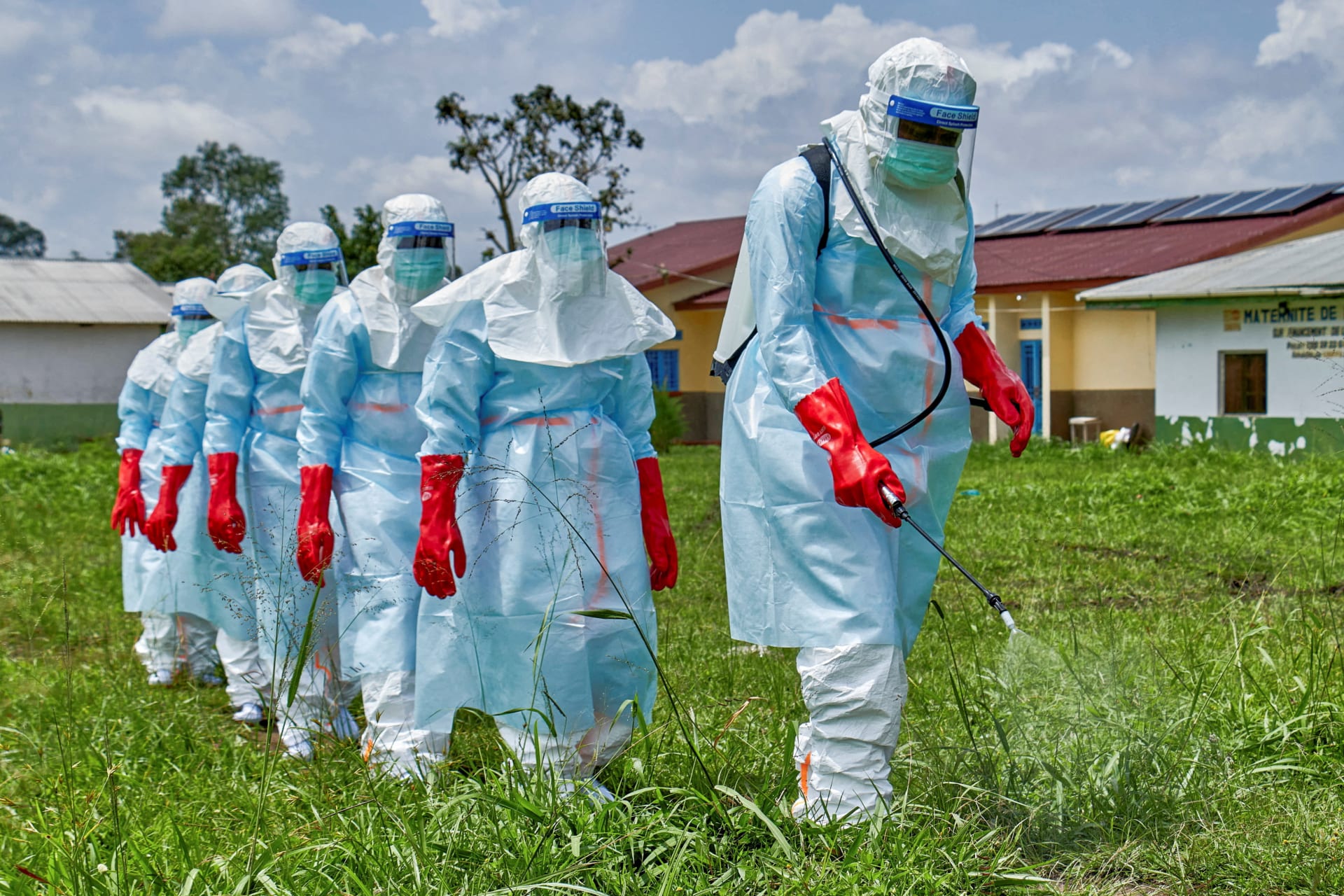
Rwanda maintains a comprehensive emergency response system designed to react quickly and effectively to any public health threat.
Preparedness remains a key component of the country’s Ebola prevention strategy.
Emergency Response Teams
Specialized response teams are available across the country.
These teams are trained to investigate suspected cases and implement containment measures if necessary.
Isolation Facilities
Dedicated isolation units are maintained as part of Rwanda’s preparedness plan.
These facilities can safely manage suspected patients while protecting healthcare workers and the wider community.
Rapid Communication Systems
Rwanda has established efficient communication networks between healthcare facilities and government agencies.
This allows critical information to be shared quickly during any public health emergency.
Simulation Exercises
Health authorities regularly conduct emergency drills and preparedness exercises.
These simulations help ensure that response teams remain ready to act if needed.
Coordination With International Health Agencies
Rwanda works closely with organizations such as the WHO and Africa CDC.
This cooperation provides access to technical expertise, training resources, and emergency support when necessary.
Continuous Risk Assessment
Public health officials continuously monitor regional developments.
Risk assessments are updated regularly to guide preventive measures and response planning.
This proactive and highly organized approach has been one of the key reasons Rwanda has successfully remained free from Ebola infections while maintaining confidence among travelers, tourism operators, and international partners.
What Gorilla Trekkers Should Know Before Visiting Rwanda
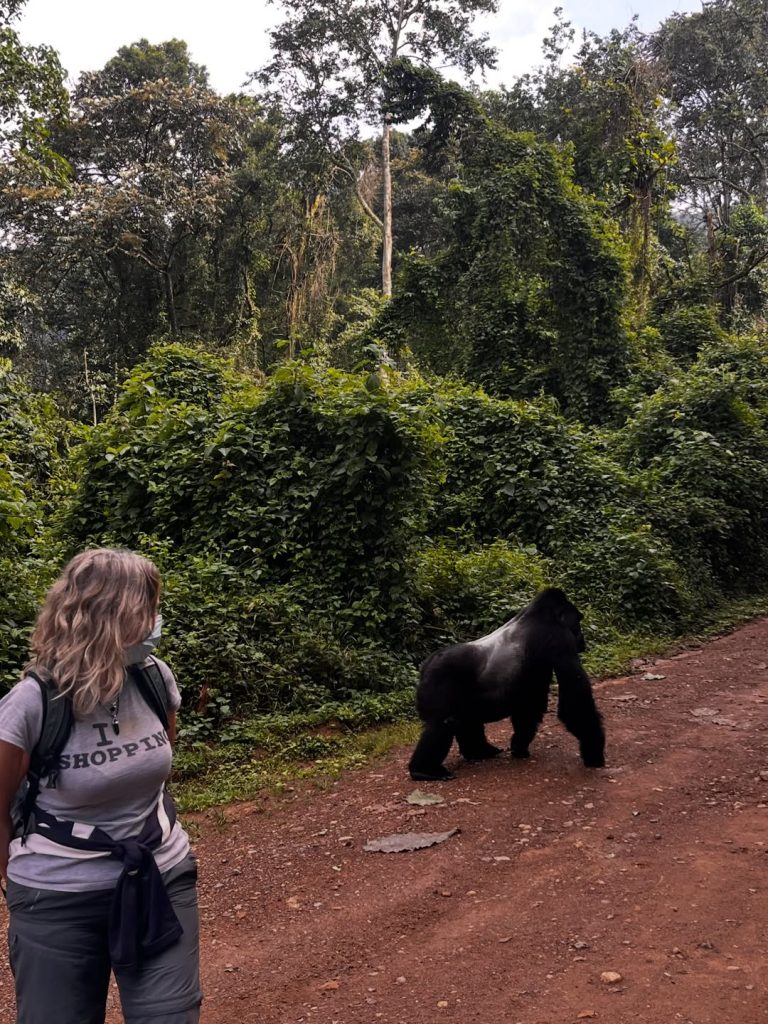
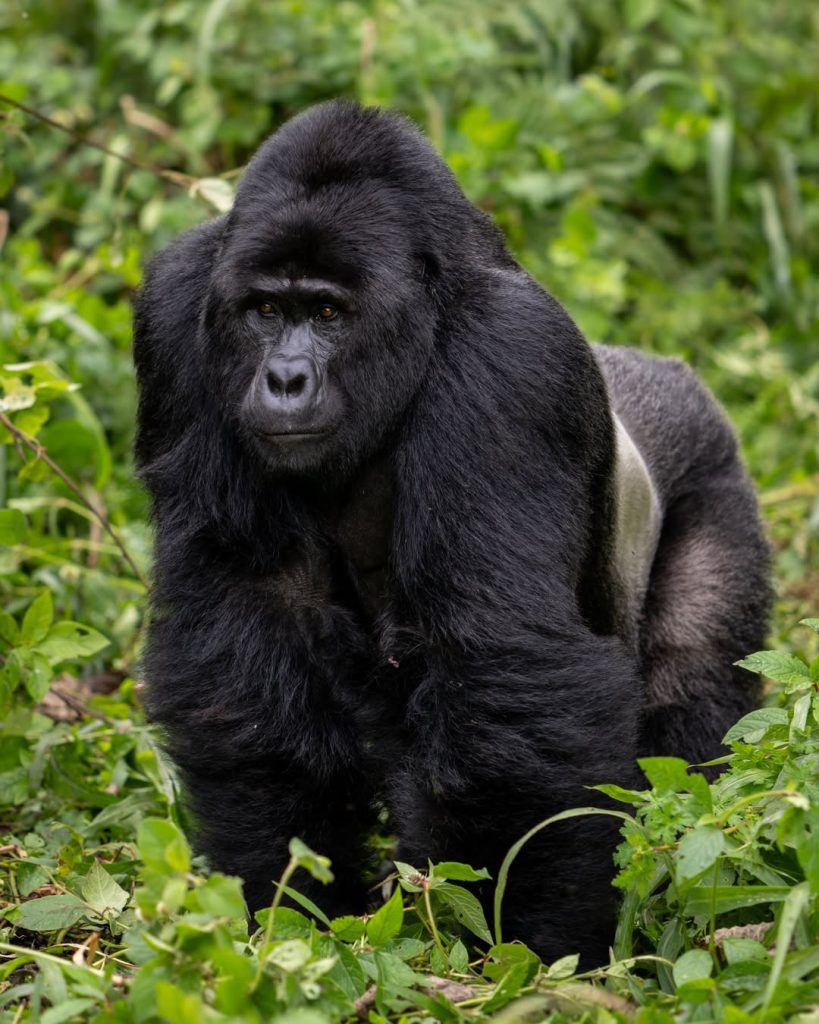
For most travelers, gorilla trekking in Rwanda remains one of the safest, most unique, and rewarding wildlife experiences in Africa. Every year, thousands of visitors travel to Volcanoes National Park to observe endangered mountain gorillas in their natural habitat. Rwanda has developed a highly organized tourism system that prioritizes both visitor safety and gorilla conservation. As a result, gorilla trekking continues to operate under strict regulations designed to protect tourists, local communities, and the gorillas themselves.
Gorilla Trekking Takes Place in Remote Forests
One of the reasons gorilla trekking is considered a low-risk tourism activity is that it takes place in remote and protected mountain forests rather than crowded cities or densely populated areas. Volcanoes National Park is located in Rwanda’s northwestern region and consists of lush forests, bamboo-covered slopes, and volcanic mountains that provide a natural habitat for mountain gorillas.
Visitors spend most of their trekking experience outdoors in fresh mountain air, significantly reducing exposure to large crowds and busy public spaces. Treks are carefully organized and conducted in small groups accompanied by experienced park rangers, trackers, and guides who closely monitor visitor movements throughout the activity. This controlled environment helps ensure both safety and a high-quality wildlife experience.
Strict Visitor Controls
Rwanda has implemented some of the strictest visitor management policies in Africa to protect its endangered mountain gorillas and maintain sustainable tourism. Access to gorilla families is carefully regulated through a permit system that limits the number of visitors allowed to trek each day.
Only a small number of tourists are assigned to each gorilla group, helping reduce environmental pressure and minimizing disturbance to the animals. Every trek is led by professional park rangers who provide safety briefings and ensure visitors follow established guidelines. Viewing time with the gorillas is also restricted, allowing tourists to enjoy a memorable encounter while reducing unnecessary contact with the animals.
Before participating in a trek, visitors may be asked about their health condition to ensure they are fit for the activity. These strict controls not only enhance visitor safety but also contribute to the long-term conservation of Rwanda’s mountain gorilla population.
Existing Health Protocols Protect Visitors and Gorillas
Health protection has always been a key part of Rwanda’s gorilla tourism program. Mountain gorillas share approximately 98% of their DNA with humans, making them highly vulnerable to human illnesses, including respiratory infections and other contagious diseases.
To protect these endangered primates, Rwanda has established comprehensive health protocols that apply to all visitors regardless of regional health concerns. Trekkers are required to follow guidelines such as maintaining a safe distance from the gorillas, practicing good hygiene, and following instructions provided by park authorities.
Visitors who show signs of illness, such as coughing, fever, or other contagious symptoms, may be advised not to participate in the trek. While this can be disappointing for travelers, these measures play a critical role in safeguarding the health of both the gorillas and other visitors.
These long-standing health protocols have helped make Rwanda one of the most professionally managed gorilla trekking destinations in the world, giving travelers confidence that their experience is conducted responsibly and safely.
Health and Safety Rules for Gorilla Trekking in 2026
Rwanda continues to maintain strict health and safety standards for gorilla trekking in Volcanoes National Park. These measures are designed to protect both visitors and the endangered mountain gorillas that call the park home. While many of these regulations have been in place for years as part of conservation efforts, they remain especially important during periods of heightened public health awareness in the region.
All visitors are expected to follow park guidelines and instructions provided by rangers to ensure a safe, responsible, and enjoyable trekking experience.
Maintaining Safe Distances
One of the most important rules during gorilla trekking is maintaining a safe distance from the gorillas at all times. Visitors are generally required to keep a minimum distance as directed by park authorities and guides during the encounter.
This rule helps reduce the risk of transmitting human illnesses to the gorillas, which are highly susceptible to diseases due to their close genetic relationship with humans. Maintaining a safe distance also minimizes stress on the animals and allows them to continue their natural behaviors without unnecessary disturbance. Rangers closely monitor all encounters to ensure visitors follow this important conservation guideline.
Health Monitoring Before Treks
Before beginning a gorilla trek, park authorities may conduct health briefings and basic health assessments for visitors. These checks help identify any potential health concerns before tourists enter the forest and interact with wildlife.
Visitors who are experiencing symptoms such as fever, coughing, flu-like illnesses, or other contagious conditions may be advised not to participate in the trek. While this precaution can be disappointing, it plays a critical role in protecting both the gorillas and fellow trekkers. The health screening process reflects Rwanda’s commitment to responsible tourism and wildlife conservation.
Hygiene Measures
Good hygiene practices remain an essential part of gorilla trekking safety protocols. Visitors are encouraged to wash their hands regularly and use alcohol-based hand sanitizers before and after trekking activities.
Travelers should also follow all instructions provided by guides and park rangers throughout the experience. This includes respecting park regulations, avoiding unnecessary contact with vegetation or wildlife, and adhering to any additional health measures that may be in place at the time of travel. These simple but effective precautions help create a safer environment for visitors while protecting the health of Rwanda’s endangered mountain gorillas and the fragile ecosystems they inhabit.
By following these health and safety rules, travelers can enjoy a memorable gorilla trekking adventure while contributing to the long-term conservation and protection of one of the world’s most remarkable wildlife species.
Ebola Symptoms Travelers Should Know
Although Rwanda remains Ebola-free, travelers should understand the symptoms of Ebola and seek medical advice if they become ill after visiting affected regions.
Common symptoms include:
- Sudden fever
- Severe headache
- Muscle pain
- Fatigue
- Sore throat
- Vomiting
- Diarrhea
- Stomach pain
- General weakness
In severe cases, unexplained bleeding may occur.
It is important to note that these symptoms can resemble malaria, typhoid, or other tropical illnesses. Professional medical evaluation is essential if symptoms develop.
Travel Tips for Visitors to Rwanda
Stay Informed
Monitor updates from trusted sources such as:
- Rwanda Ministry of Health
- Rwanda Biomedical Centre (RBC)
- World Health Organization (WHO)
- Official travel advisories
Practice Good Hygiene
Simple hygiene measures remain highly effective:
- Wash hands regularly
- Carry hand sanitizer
- Avoid unnecessary contact with sick individuals
Purchase Comprehensive Travel Insurance
Travel insurance should ideally include:
- Medical treatment coverage
- Emergency evacuation
- Trip interruption protection
- Travel delay coverage
Book With Reputable Tour Operators
Experienced safari operators stay updated on travel conditions and can provide accurate information regarding health requirements and safety procedures.
How Regional Ebola Concerns Affect Rwanda Tourism
Although Rwanda currently remains free from Ebola, regional outbreaks in neighboring countries can still influence traveler behavior and tourism trends. Whenever Ebola cases are reported in East or Central Africa, international attention often shifts to the entire region, leading some travelers to reconsider or delay their travel plans.
In many cases, the impact on tourism is driven more by perception than by actual conditions within Rwanda. While the country may have no confirmed cases and no restrictions on tourism activities, concerns generated by regional news coverage can affect traveler confidence and booking patterns.
Media Headlines and Global Perception
International media coverage plays a significant role in shaping how travelers view destinations in Africa. When Ebola outbreaks occur anywhere in the region, headlines often focus on the broader geographical area rather than the specific locations where cases have been reported.
As a result, potential visitors may assume that countries neighboring an outbreak are also affected. This can lead to unnecessary concern among travelers who may not be familiar with the distances between outbreak zones and Rwanda’s tourism destinations. Tour operators and tourism authorities often work to provide accurate information and reassure travelers that Rwanda remains safe and open for tourism.
Misunderstanding Outbreak Locations
One of the biggest challenges facing Rwanda’s tourism industry during regional health emergencies is the misunderstanding of outbreak locations. Many travelers may not realize that Ebola outbreaks are usually confined to specific districts or regions and do not affect entire countries.
For example, Rwanda’s major attractions such as Volcanoes National Park, Akagera National Park, Nyungwe Forest National Park, and Kigali may be hundreds of kilometers away from any affected areas in neighboring countries. Despite this, some visitors choose to postpone travel simply because they associate the outbreak with the wider region rather than the actual location where cases exist.
General Health Concerns Among Travelers
Health-related concerns naturally influence travel decisions, especially when dealing with a serious disease such as Ebola. Even when the risk of infection is extremely low, some travelers may feel more comfortable delaying their trip until they are confident that regional health situations have stabilized.
Travelers may also worry about airport screenings, border controls, healthcare access, or possible changes to travel regulations. While these concerns are understandable, Rwanda’s strong healthcare systems and preparedness measures continue to provide a high level of reassurance for both visitors and tourism stakeholders.
Confusing Travel Advisories
Travel advisories issued by foreign governments can sometimes create confusion among travelers. Some advisories may recommend increased caution for specific regions of Africa, leading visitors to assume that all destinations within the region face similar risks.
In reality, Rwanda is often assessed independently because of its strong public health infrastructure and effective disease prevention systems. Travelers are encouraged to carefully review the details of any travel advisory and rely on official information from government agencies and international health organizations rather than broad interpretations of regional alerts.
Rwanda’s Tourism Industry Remains Strong and Resilient
Despite occasional challenges caused by regional health concerns, Rwanda’s tourism sector continues to demonstrate remarkable resilience. The country’s commitment to public health, safety, and transparent communication has helped maintain confidence among international travelers and tourism partners.
Government agencies, conservation organizations, tourism boards, hotels, lodges, and tour operators work closely together to ensure visitors receive accurate information and enjoy safe travel experiences throughout the country.
Rwanda’s reputation for cleanliness, organization, security, and responsible tourism has enabled it to remain one of Africa’s most trusted travel destinations even during periods of regional uncertainty.
Popular Tourism Experiences Continue Without Interruption
Gorilla Trekking in Volcanoes National Park
Gorilla trekking remains Rwanda’s flagship tourism attraction and continues to operate normally. Visitors from around the world travel to Volcanoes National Park to observe endangered mountain gorillas in their natural habitat.
The park follows strict conservation and health protocols designed to protect both visitors and gorillas. Guided treks continue daily, providing travelers with one of the most extraordinary wildlife experiences available anywhere in the world.
Chimpanzee Tracking in Nyungwe Forest National Park
Nyungwe Forest National Park remains a popular destination for primate enthusiasts and nature lovers. Chimpanzee tracking excursions continue to operate without interruption, allowing visitors to explore one of Africa’s oldest rainforests.
In addition to chimpanzee encounters, visitors can enjoy canopy walks, birdwatching, hiking trails, and opportunities to observe other primate species that inhabit the forest.
Wildlife Safaris in Akagera National Park
Akagera National Park continues welcoming safari enthusiasts seeking classic African wildlife experiences. The park is home to the Big Five—lion, leopard, elephant, rhino, and buffalo—as well as giraffes, zebras, antelopes, hippos, crocodiles, and hundreds of bird species.
Game drives, boat safaris on Lake Ihema, guided nature walks, and luxury lodge stays continue as normal, providing visitors with unforgettable safari adventures.
Kigali City Tours
Rwanda’s capital city, Kigali, remains one of Africa’s cleanest, safest, and most organized urban destinations. Visitors continue to enjoy city tours that highlight Rwanda’s culture, history, and remarkable development.
Popular attractions include the Kigali Genocide Memorial, local craft markets, art galleries, museums, restaurants, and cultural centers that offer insights into Rwanda’s rich heritage and modern transformation.
Cultural Experiences Across the Country
Community-based tourism experiences remain an important part of Rwanda’s tourism offering. Visitors can participate in traditional dance performances, village walks, cultural workshops, coffee tours, and interactions with local communities.
These experiences provide meaningful opportunities to learn about Rwanda’s traditions while supporting local livelihoods and sustainable tourism initiatives.
Should You Cancel Your Gorilla Trekking Safari?
Based on the current Rwanda Ebola update, there is no reason for most travelers to cancel a gorilla trekking safari due to Ebola concerns alone.
When evaluating travel plans, consider:
- Official government guidance
- World Health Organization updates
- Information from your tour operator
- The actual location of reported outbreaks
Most regional outbreaks remain localized and do not affect Rwanda’s major tourism destinations.
Travel decisions should be based on verified information rather than assumptions or generalized headlines.
Why Rwanda Remains One of Africa’s Safest Safari Destinations
Rwanda has earned a reputation as one of Africa’s safest, cleanest, and most organized tourism destinations.
The country continues investing in:
- Healthcare infrastructure
- Public health preparedness
- Conservation programs
- Tourism development
- Security and transportation systems
These investments contribute to a safe and reliable environment for international travelers.
For many visitors, Rwanda’s strong response to regional health concerns demonstrates the country’s commitment to maintaining world-class tourism standards.
Final Thoughts
The latest Rwanda Ebola update for 2026 remains positive: there is currently no Ebola outbreak in Rwanda.
The country continues welcoming visitors for gorilla trekking, wildlife safaris, cultural tours, and business travel. Volcanoes National Park remains fully operational, Kigali continues functioning normally, and tourism businesses throughout Rwanda are open and ready to receive guests.
While neighboring regions may occasionally experience public health challenges, Rwanda’s strong healthcare systems, border controls, and emergency preparedness measures continue to protect both residents and visitors.
For gorilla trekkers, the best approach is to stay informed through official sources, follow recommended health guidelines, and work with reputable tour operators. With proper planning and accurate information, travelers can confidently enjoy one of the most extraordinary wildlife encounters on Earth—meeting Rwanda’s endangered mountain gorillas in their natural habitat.