Recent Articles

Bwindi Impenetrable National Park

Bwindi Impenetrable National Park is one of Uganda’s most famous protected areas and a globally important conservation site. Located in southwestern Uganda along the edge of the Albertine Rift, the park is known for its dense rainforest, exceptional biodiversity, and its population of endangered mountain gorillas.

Bwindi Impenetrable National Park covers about 331 square kilometers of tropical rainforest. The park was established as a national park in 1991 and later recognized as a UNESCO World Heritage Site in 1994 because of its ecological importance and unique wildlife.

The forest is considered one of the oldest and most biologically diverse rainforests in Africa, estimated to be more than 25,000 years old. Its thick vegetation and steep terrain give the park its name “impenetrable.”

History of Bwindi Impenetrable National Park

The history of Bwindi Impenetrable National Park is closely connected to conservation efforts in Uganda and the protection of endangered wildlife, particularly mountain gorillas.

Long before it became a national park, the Bwindi forest was home to the indigenous Batwa people. The Batwa lived as hunter-gatherers and depended on the forest for food, medicine, and shelter. They had deep cultural and spiritual connections with the forest and lived there for thousands of years.

The forest itself is believed to be over 25,000 years old, making it one of the oldest and most ecologically important rainforests in Africa. Its location within the biodiverse Albertine Rift region contributes to its rich variety of plants and animals.

During the colonial era, conservation measures began to be introduced. In 1932, the forest was designated as the Bwindi Impenetrable Forest Reserve and the Kayonza Crown Forest Reserve by the British colonial government. These reserves were created to protect the forest and its wildlife from increasing human activity such as logging and hunting.

In 1991, the Ugandan government officially gazetted the area as Bwindi Impenetrable National Park. This move aimed to strengthen conservation efforts and protect the endangered mountain gorillas that live in the forest. The establishment of the park also combined the former forest reserves into one protected area.

After becoming a national park, Bwindi gained international recognition for its biodiversity and importance to wildlife conservation.

In 1994, Bwindi Impenetrable National Park was declared a World Heritage Site by UNESCO. This recognition highlighted the park’s exceptional biodiversity, including its large population of endangered mountain gorillas.

Bwindi Impenetrable National Park

Location of Bwindi Impenetrable National Park

Bwindi Impenetrable National Park is located in southwestern Uganda, within the districts of Kanungu District, Rubanda District, and Kisoro District. The park lies along the edge of the Albertine Rift, the western branch of the East African Rift, a region known for its exceptional biodiversity.

The park is situated near the border between Uganda and the Democratic Republic of the Congo and is close to the Rwanda border. Because of its mountainous terrain and thick rainforest, Bwindi forms part of an important ecological corridor within the greater Virunga conservation region.

Bwindi lies approximately 460 kilometers (about 9–10 hours by road) from Kampala, the capital city of Uganda, and about 8–9 hours from Entebbe, where the country’s main international airport is located.

Sectors of Bwindi Impenetrable National Park

Bwindi Impenetrable National Park is divided into four main tourism sectors, each offering different gorilla trekking experiences, landscapes, and accommodation options. These sectors help manage tourism and distribute visitors across the park while protecting the fragile rainforest ecosystem.

1. Buhoma Sector

Buhoma is the most popular and oldest tourism sector of Bwindi Impenetrable National Park. Located in the northern part of the park in Kanungu District, Buhoma was the first area where gorilla trekking began in Bwindi in the early 1990s.

This sector is known for its good infrastructure and a wide range of lodges. Visitors can trek several habituated gorilla families and also enjoy activities such as guided forest walks, bird watching, and cultural visits to local communities.

2. Ruhija Sector

The Ruhija sector lies in the eastern part of the park and is one of the highest areas in Bwindi. It offers spectacular views of the forested hills and valleys.

Ruhija is especially popular with bird watchers because the area hosts many rare species found in the Albertine Rift region. The sector also offers gorilla trekking and nature walks through the dense forest.

3. Rushaga Sector

Rushaga is located in the southern part of the park in Kisoro District. It has the largest number of habituated gorilla families in Bwindi, making it one of the most popular sectors for gorilla trekking.

This sector is also known for offering the gorilla habituation experience, where visitors can spend more time with gorillas while researchers help them get used to human presence.

4. Nkuringo Sector

Nkuringo is also found in the southern part of the park, near the edge of the Albertine Rift Valley. It is known for its steep terrain and breathtaking scenery.

Although trekking here can be more challenging due to the mountainous landscape, visitors are rewarded with incredible views of the forest, nearby volcanoes, and even parts of Democratic Republic of the Congo on clear days.

Mountain Gorillas in Bwindi Impenetrable National Park

One of the most remarkable features of Bwindi Impenetrable National Park is its population of endangered mountain gorillas. Bwindi is home to nearly half of the world’s remaining mountain gorillas, making it one of the most important conservation areas for these rare primates.

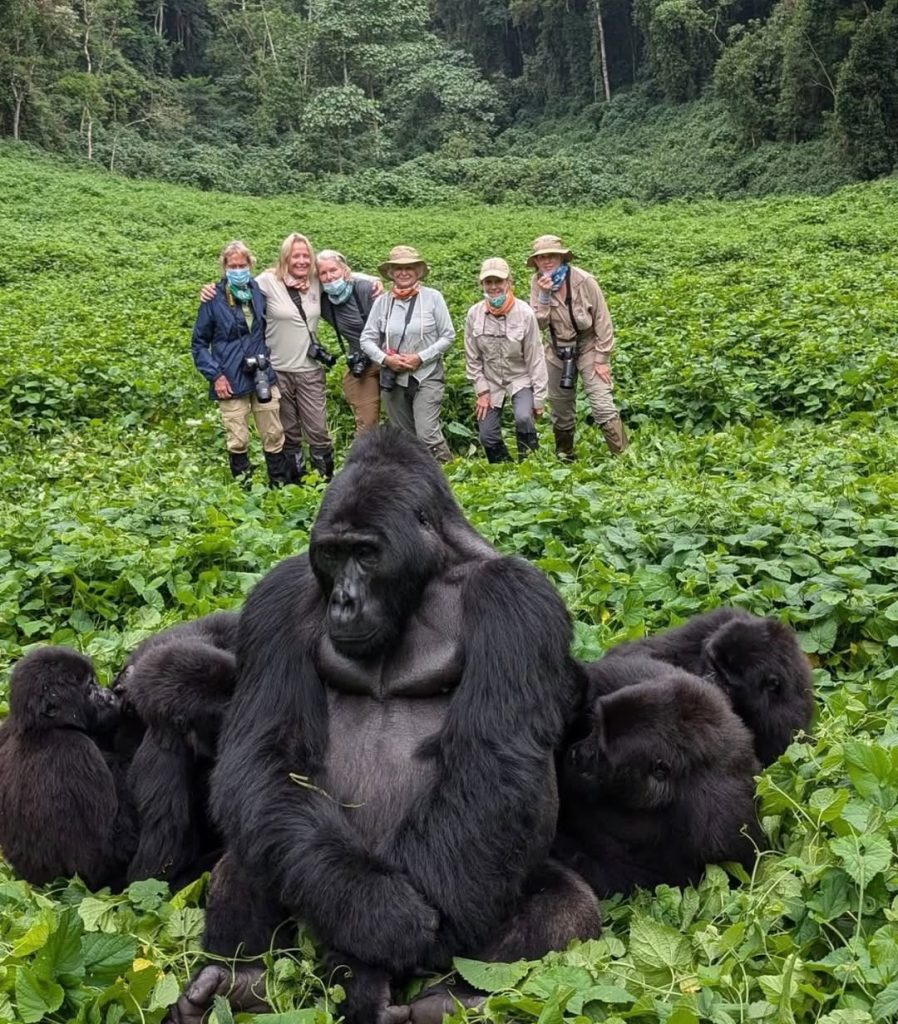
Mountain gorillas are a subspecies of the eastern gorilla known scientifically as Mountain Gorilla (Gorilla beringei beringei). These gentle giants live in family groups led by a dominant male known as a silverback. Each group can consist of several females, juveniles, and infants.

The dense rainforest of Bwindi provides an ideal habitat for mountain gorillas. The park’s thick vegetation offers food, shelter, and protection. Gorillas mainly feed on leaves, shoots, stems, fruits, and roots found in the forest.

Gorillas are highly social animals that communicate through vocalizations, body movements, and facial expressions. They spend most of their day feeding, resting, grooming, and moving through the forest.

Gorilla trekking in Bwindi Impenetrable National Park

Gorilla Trekking Experience

Gorilla trekking is the main attraction that draws visitors to Bwindi Impenetrable National Park in southwestern Uganda. The activity involves hiking through the dense rainforest with trained guides and trackers to locate a habituated family of Mountain Gorilla.

Treks usually begin early in the morning after a briefing by rangers from the Uganda Wildlife Authority. Visitors are divided into small groups and guided deep into the forest, following trails and signs left by the gorillas. The trek can take anywhere from one to several hours, depending on where the gorilla family is located.

Once the gorillas are found, visitors are allowed to spend one hour observing them in their natural habitat. During this time, trekkers can watch the gorillas feed, groom each other, play, and interact within their family groups led by a dominant silverback.

Gorilla trekking in Bwindi is considered one of the most unique wildlife experiences in the world. Besides offering unforgettable encounters with these gentle primates, the activity also plays a crucial role in conservation. Permit fees help fund the protection of gorillas and support local communities living around the park.

Revenue from gorilla tourism contributes to conservation programs, park management, and community development projects such as schools, health centers, and local employment opportunities.

Gorilla Habituation Experience

The Gorilla Habituation Experience is a unique and immersive activity offered in Bwindi Impenetrable National Park and only in the southern sector of Rushaga.

Unlike standard gorilla trekking, which allows visitors to spend one hour with the gorillas, this experience allows guests to spend up to four hours with a group of wild Mountain Gorilla that are in the process of becoming accustomed to human presence.

The activity begins early in the morning with a briefing at the park headquarters, usually in the southern sector of  Rushaga. A small group of only 8 people is allowed in the  forest alongside trackers who locate the gorillas.

Once the gorillas are found, participants can spend up to four hours observing their daily behavior. Visitors may watch the gorillas feed, play, build nests, and interact with each other while researchers study their behavior and social structures.

Why It’s Special

The gorilla habituation experience provides a deeper and more personal encounter with these endangered primates compared to standard trekking. Because the gorillas are not fully used to humans yet, the experience offers a more authentic look into their natural lives.

It also contributes directly to conservation by supporting research and helping new gorilla families become accustomed to controlled tourism.

Bwindi Impenetrable National Park

What is Gorilla Habituation?

Gorilla habituation is a gradual process where researchers and conservationists carefully introduce gorillas to the presence of humans so they become comfortable without changing their natural behavior. This process can take two to three years before a gorilla family is considered fully habituated and ready for tourism.

During the habituation experience, visitors join a team of researchers, trackers, and rangers from the Uganda Wildlife Authority as they follow and observe a semi-habituated gorilla group in the forest.

Bwindi Beyond Gorillas

While Bwindi Impenetrable National Park is best known for its population of endangered Mountain Gorilla, the park offers many other rewarding experiences for visitors. Its ancient rainforest, rich wildlife, and vibrant local cultures make it one of the most diverse destinations in Uganda.

Bird Watching

Bwindi is a world-class birding destination with more than 350 bird species recorded. Many of these species are unique to the Albertine Rift region. Bird watchers can spot rare species such as the African green broadbill, Grauer’s rush warbler, and the handsome francolin.

Guided birding walks are available in different sectors of the park, particularly in Ruhija, which is known for its excellent birding opportunities.

Nature and Forest Walks

Visitors can explore the dense rainforest through guided nature walks and hiking trails. These walks allow guests to experience the rich biodiversity of the forest while learning about medicinal plants, insects, and smaller wildlife.

Popular walking trails include the Munyanga River Trail and other forest paths in sectors such as Buhoma. These trails offer chances to see monkeys, colorful butterflies, and unique plant species.

Cultural Encounters

Cultural visits provide an opportunity to interact with communities living near the park. One of the most popular cultural experiences is visiting the indigenous Batwa people, who once lived in the forest as hunter-gatherers.

Through cultural performances, storytelling, and traditional demonstrations, visitors can learn about the Batwa’s history, survival skills, and deep connection to the forest.

Waterfall and Scenic Hikes

Bwindi’s mountainous terrain offers scenic hikes that lead to hidden waterfalls, forest streams, and panoramic viewpoints. These hikes provide a chance to experience the park’s landscape beyond gorilla trekking.

Some trails also offer views of the surrounding hills and valleys of the Albertine Rift Valley.

Community Tourism Experiences

Community initiatives around Bwindi allow visitors to participate in activities such as coffee tours, craft-making, and local farm visits. These experiences help support local livelihoods while giving travelers a deeper understanding of rural life around the park.

Wildlife in Bwindi Impenetrable National Park

Bwindi Impenetrable National Park in southwestern Uganda is one of the most biologically diverse forests in Africa. Located within the biodiversity-rich Albertine Rift region, the park supports an extraordinary range of wildlife species. Its dense tropical rainforest, steep hills, and numerous streams provide ideal habitats for many mammals, birds, reptiles, amphibians, and insects. Because of this ecological richness, Bwindi is recognized globally as an important conservation area.

Bwindi Impenetrable National Park

Mammals

Bwindi Impenetrable National Park is home to more than 120 species of mammals, making it one of the richest protected forests for wildlife in East Africa. The most famous resident is the endangered Mountain Gorilla, which lives in family groups within the thick forest vegetation. These gorillas are the park’s main attraction and are protected through strict conservation programs and regulated tourism.

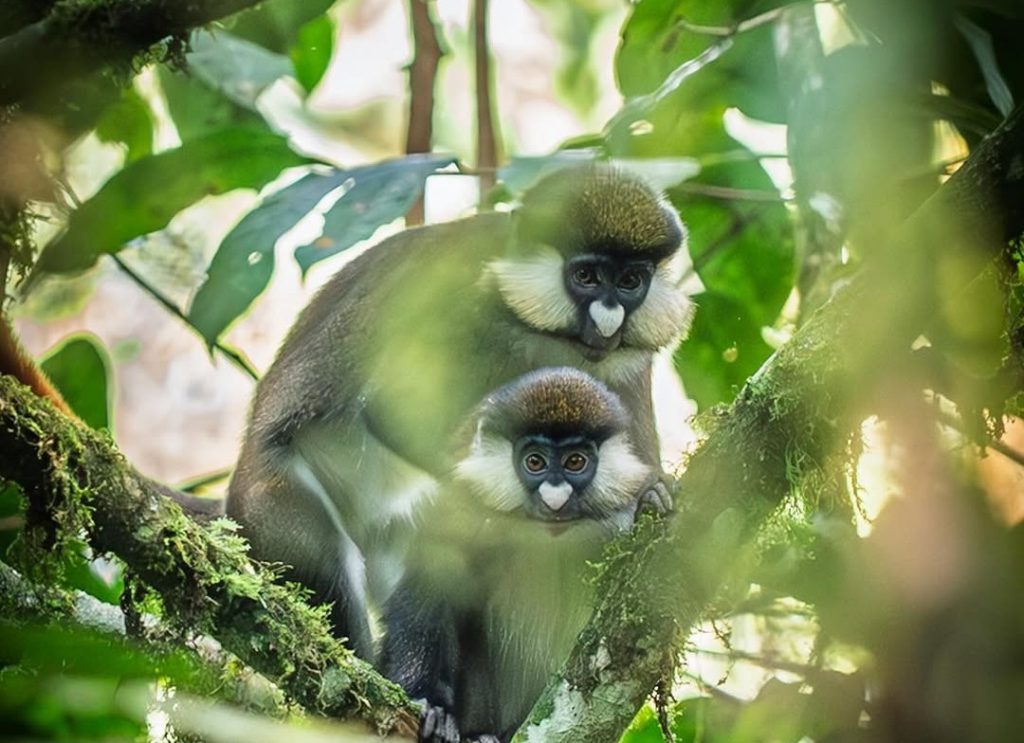
In addition to gorillas, the forest hosts several other primate species. These include the intelligent Chimpanzee, the distinctive Black-and-white Colobus with its long white tail, and the shy L’Hoest’s Monkey which prefers dense forest habitats. Other monkeys such as the Blue Monkey and the Olive Baboon are also found in different parts of the park.

Larger mammals also inhabit the forest although they are rarely seen because of the thick vegetation. These include the elusive African Forest Elephant, which moves quietly through the forest, and the secretive African Golden Cat, one of Africa’s least seen wild cats. Other mammals found in Bwindi include antelope species such as the Bushbuck, Blue Duiker, and Yellow-backed Duiker. Smaller mammals such as the African Civet, Giant Forest Hog, African Palm Civet, and the Side-striped Jackal can also be found within the park’s ecosystem.

Birds

Bwindi Impenetrable National Park is also a world-renowned birding destination with more than 350 recorded bird species, including many species that are endemic to the Albertine Rift. The forest provides excellent habitat for both forest birds and migratory species, making it an important area for bird conservation in Africa.

Among the most notable species is the rare African Green Broadbill, one of the most sought-after birds by birdwatchers visiting the park. Other important bird species found in Bwindi include the Grauer’s Rush Warbler, Handsome Francolin, Rwenzori Turaco, Bar-tailed Trogon, Shelley’s Crimsonwing, and the Black Bee-eater. Many of these birds are best observed along forest trails, particularly in the higher altitude areas such as Ruhija, which is considered one of the best birdwatching locations in the park.

Reptiles and Amphibians

Although not as well known as its mammals and birds, Bwindi also supports a variety of reptiles and amphibians that thrive in the humid rainforest environment. Several species of forest snakes, chameleons, and lizards inhabit the park’s dense vegetation. Amphibians such as forest frogs are commonly found around streams and wetlands within the park. These species play an important role in maintaining the ecological balance of the forest.

Insects and Butterflies

The rainforest ecosystem of Bwindi also supports a large population of insects, including more than 200 species of butterflies. These butterflies contribute to pollination and add vibrant colors to the forest environment. Many beetles, ants, and other insects are also present, forming an essential part of the food chain that sustains the park’s wildlife.

Plant Life and Habitat

The diverse wildlife of Bwindi depends heavily on the forest’s rich plant life. The park contains over 1,000 plant species, including towering hardwood trees, dense undergrowth, climbing vines, shrubs, and ferns. These plants provide food, shelter, and nesting sites for animals and birds throughout the ecosystem. The thick vegetation also explains why the forest was named “impenetrable,” as many areas are extremely dense and difficult to navigate.

Daily flights to Bwindi Impenetrable National Park

How to Get to Bwindi Impenetrable National Park

Bwindi Impenetrable National Park is located in southwestern Uganda and can be reached by both road and air. Although the park is remote and surrounded by mountainous rainforest, it is accessible through several well-established travel routes used by tourists visiting the region.

By Road

Traveling by road is the most common way to reach Bwindi. The journey usually begins in Kampala or Entebbe, where Entebbe International Airport is located. The drive to Bwindi takes approximately 8 to 10 hours, depending on the sector of the park being visited.

One of the popular routes travels from Kampala through Mbarara and then continues toward Kabale or Kisoro before reaching the different park sectors. Along the way, travelers often stop at the Equator Line Uganda in Kayabwe for photographs and refreshments.

Another scenic route leads through Ntungamo and Rukungiri before reaching the northern sector of the park at Buhoma in Kanungu District. Visitors heading to the southern sectors such as Rushaga or Nkuringo often travel through Kabale or Kisoro.

Road trips to Bwindi are popular because they allow visitors to experience Uganda’s changing landscapes, from open savannah and farmland to the rolling hills of southwestern Uganda.

By Air

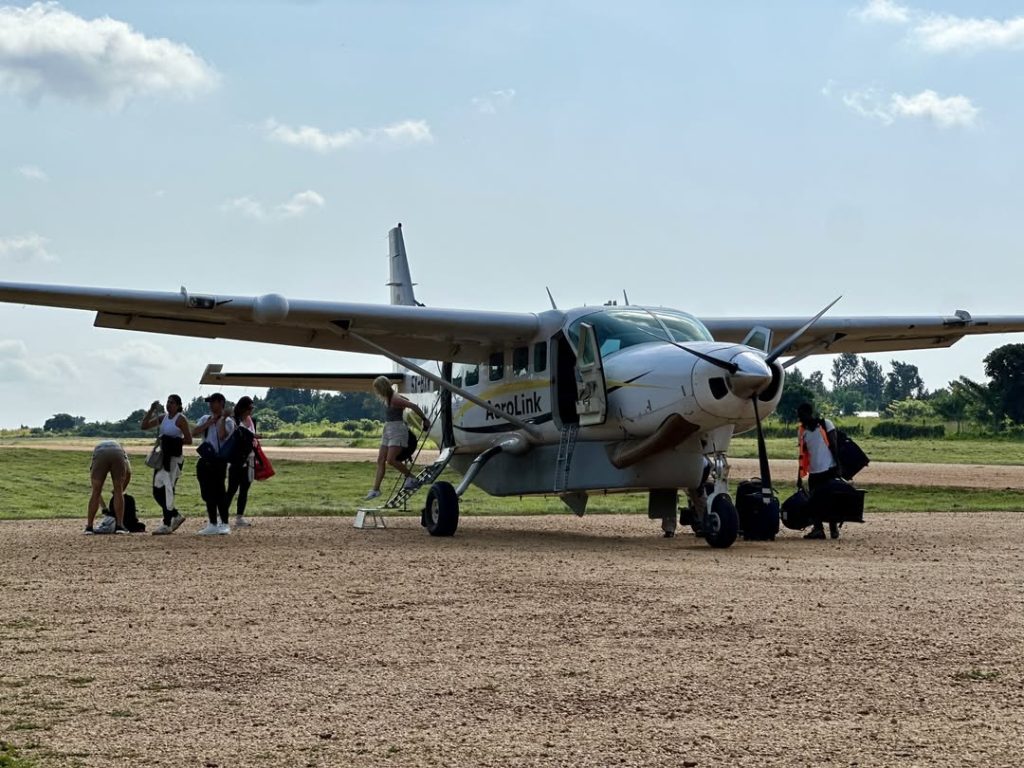
Travelers who prefer a shorter journey can reach Bwindi by domestic flights from Entebbe International Airport or Kajjansi Airfield. Scheduled charter flights operated by Aerolink Uganda fly to nearby airstrips such as Kihihi Airstrip and Kisoro Airstrip.

Flights usually take about 1 to 2 hours and provide stunning aerial views of Uganda’s countryside and the forests of the Albertine Rift region. After landing, visitors continue by road for a short drive to their lodge or the park headquarters.

Access to Different Park Sectors

Because Bwindi has several tourism sectors, the route taken often depends on where visitors plan to trek gorillas. The northern sector at Buhoma is commonly accessed from Kihihi, while the eastern sector at Ruhija is usually reached through Kabale. The southern sectors of Rushaga and Nkuringo are most easily accessed from Kisoro.

Regardless of the route chosen, the journey to Bwindi Impenetrable National Park offers visitors beautiful scenery and an exciting introduction to one of Africa’s most remarkable rainforest destinations.

Where to Stay in Bwindi Impenetrable National Park

Bwindi Impenetrable National Park

Visitors to Bwindi Impenetrable National Park have a wide range of accommodation options ranging from luxury safari lodges to mid-range and budget guesthouses. Most lodges are located near the park’s main trekking sectors—Buhoma, Ruhija, Rushaga, and Nkuringo—so that visitors can easily reach the gorilla trekking briefing points early in the morning. Choosing accommodation close to the trekking sector assigned on your gorilla permit helps avoid long early-morning drives through the mountainous terrain.

Luxury Lodges

Bwindi has several high-end safari lodges offering exceptional comfort, beautiful forest views, and personalized services. One of the most famous luxury lodges is Buhoma Lodge located in the Buhoma sector. The lodge sits just a short walk from the gorilla trekking starting point and offers elegant chalets with private verandas overlooking the forest canopy. Guests can relax in the lounge, enjoy fine dining, and unwind by the fireplace after trekking.

Another well-known luxury accommodation is Clouds Mountain Gorilla Lodge near Nkuringo. This exclusive lodge sits high on the hills and provides breathtaking views of the surrounding mountains and the forest. The lodge offers spacious cottages, luxury services, and a peaceful environment ideal for travelers seeking an upscale safari experience.

Mid-Range Lodges

Many visitors choose mid-range lodges that combine comfort with affordability. Popular options include Silverback Lodge in the Buhoma sector, which offers comfortable rooms with private balconies overlooking the forest, and Engagi Lodge, an eco-friendly lodge built with locally sourced materials and featuring open-air dining areas with scenic views.

Another notable mid-range option is Nkuringo Bwindi Gorilla Lodge located on Nteko Ridge. The lodge provides panoramic views of the forest and surrounding valleys and offers easy access to gorilla trekking trails in the Nkuringo sector.

Budget Accommodation

Budget travelers can also find several affordable guesthouses and camps near the park. Lodges such as Bwindi Backpackers Lodge provide dormitories, simple rooms, and camping facilities for visitors traveling on a smaller budget. These facilities still offer beautiful views of the forest and access to activities like nature walks and cultural tours.

Another community-based option is Ride 4 a Woman Guesthouse near the Buhoma sector. Staying here supports local women’s empowerment initiatives while providing comfortable and affordable accommodation for visitors exploring the park.

The best place to stay in Bwindi often depends on the sector where your gorilla trekking permit is booked. Each sector has its own selection of lodges and camps that cater to different budgets and preferences. Whether travelers choose a luxury lodge overlooking the forest or a simple guesthouse run by local communities, staying near the park provides an unforgettable experience surrounded by the ancient rainforest of southwestern Uganda.