
A Gorilla Trekking Company unlocking the Wonders of East Africa. At Marvel Gorilla Adventure, we aren’t just a travel company – we are passionate conservationists, storytellers, and explorers dedicated to connecting travelers with the awe-inspiring world of mountain gorillas and the wild beauty of East Africa.
Kampala, the bustling capital of Uganda, is a city full of life, color, and energy. Built on a series of rolling hills along the northern shores of Lake Victoria, Kampala blends modern urban culture with deep historical roots. It’s the country’s political, economic, and cultural heart—a place where tradition meets contemporary African city life. Whether you’re visiting for a short stay or using it as a starting point for your Uganda adventure, Kampala offers a dynamic and memorable experience.
Kampala was originally built on seven hills, including Old Kampala, Mengo, Kololo, and Nakasero, but today the city has expanded far beyond them. Each hill tells part of Kampala’s story—from royal heritage at Mengo Hill, home of the Buganda Kingdom, to the business and administrative centers on Nakasero and Kololo.
The city’s layout creates a mix of scenic viewpoints, busy streets, and quieter residential areas, all tied together by a constant rhythm of movement—bodas (motorcycle taxis), street vendors, and everyday city life.
Kampala is deeply rooted in Buganda culture, and this is reflected in its landmarks and traditions. A visit to the Kasubi Tombs (a UNESCO World Heritage Site) offers insight into the history of the Buganda kings. Nearby, the Kabaka’s Palace in Mengo and the historic Kabaka’s Lake reveal more about the kingdom’s legacy.
Religious landmarks are also a big part of Kampala’s identity. The Uganda Martyrs Shrine in Namugongo is one of the most important pilgrimage sites in Africa. The Gaddafi National Mosque (Uganda National Mosque) stands out with its impressive architecture and panoramic views of the city, while Namirembe Cathedral and Rubaga Cathedral represent the city’s Christian heritage.
Kampala’s markets are lively, colorful, and full of character, offering a true glimpse into everyday life. Owino Market (St. Balikuddembe Market) is one of the largest and busiest in East Africa, where narrow alleys are packed with vendors selling everything from second-hand clothes and shoes to electronics and household goods. It’s a great place to experience the city’s energy and practice your bargaining skills. For a more organized experience, Nakasero Market is ideal, known for its fresh fruits, vegetables, spices, and local delicacies. Walking through these markets is not just about shopping—it’s a cultural experience filled with sights, sounds, and interactions.
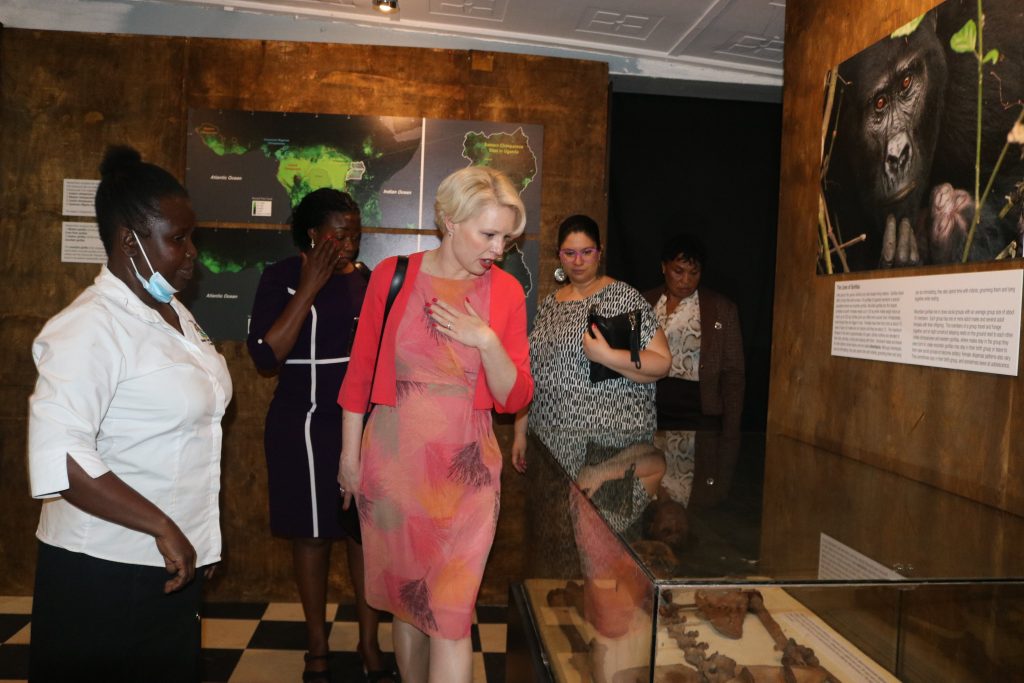
Kampala has a growing arts and culture scene worth exploring. The Uganda Museum, the oldest in East Africa, provides fascinating insights into the country’s history, traditions, and heritage, with displays ranging from traditional musical instruments to archaeology and ethnography. For a more modern touch, art galleries like Afriart Gallery showcase contemporary Ugandan and African artists through paintings, sculptures, and exhibitions. You’ll also find smaller creative spaces, studios, and cultural centers around the city that host events, workshops, and performances.
Kampala’s nightlife is vibrant and diverse, making it one of the most exciting in the region. Areas such as Kololo, Kabalagala, and Bugolobi offer a mix of upscale lounges, casual bars, and energetic nightclubs. You can enjoy live music, DJ sets, themed nights, and a variety of cuisines all in one evening. Whether you’re in the mood for a relaxed rooftop dinner, a social hangout with friends, or a lively dance floor, Kampala’s nightlife scene caters to every vibe and taste.
Just a short drive from the city center, the shores of Lake Victoria provide a refreshing escape from Kampala’s busy streets. Spots like Ggaba Beach and other lakeside resorts offer a laid-back atmosphere where you can relax, take a boat ride, or enjoy freshly grilled fish. The cool breeze from the lake and scenic views make it a perfect place for a quiet afternoon or sunset outing. Some areas also offer water activities and weekend entertainment, adding to the experience.
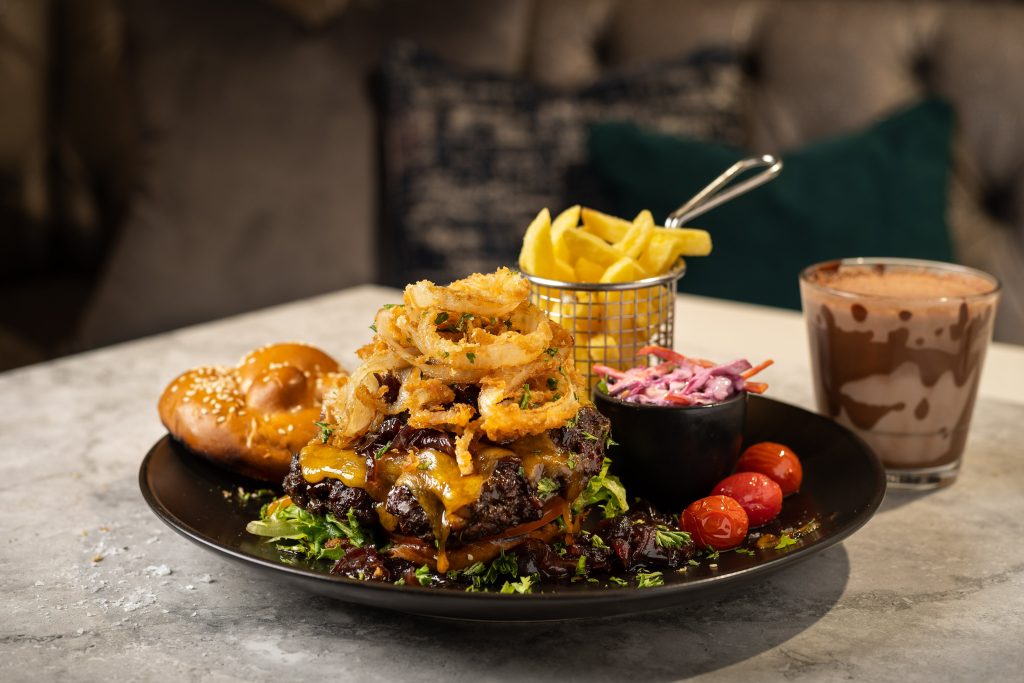
Kampala’s food scene is rich, diverse, and deeply satisfying. You can sample traditional Ugandan dishes such as matoke (steamed bananas), groundnut sauce, posho, and grilled meats, often served in local restaurants or roadside eateries. One must-try is the famous rolex, a popular street food made of eggs rolled in a chapati—simple, affordable, and delicious. The city also has a wide range of international restaurants offering Indian, Chinese, Italian, and continental cuisine. From street food stalls to fine dining spots, Kampala offers something for every taste and budget, making food exploration a key part of the experience.
Getting around Kampala can be an adventure on its own. Boda bodas are the fastest way to navigate traffic, though safety precautions are important. Matatus (shared minibuses) are widely used and affordable, while taxis and ride-hailing apps offer more comfort and convenience.
Kampala can be visited year-round thanks to its mild tropical climate. However, the dry seasons (December to February and June to September) are the most convenient for exploring the city and surrounding areas. Rainy seasons bring lush greenery but can make movement around the city slower due to traffic and wet roads.
Kampala is more than just a capital city—it’s the gateway to Uganda’s culture, people, and experiences. It offers a unique mix of history, modern life, and authentic African energy. Whether you’re exploring its cultural landmarks, tasting local cuisine, or simply soaking in the vibrant atmosphere, Kampala gives you a true feel of Uganda.
For many travelers, Kampala is where the journey begins—but it’s also a destination worth exploring in its own right.
1. What is Kampala best known for?
Kampala is known for its vibrant city life, rich culture, lively markets, and energetic nightlife. It’s also the political and economic capital of Uganda and a gateway to the rest of the country’s पर्यटन attractions.
2. Is Kampala safe for tourists?
Yes, Kampala is generally safe for visitors, especially in popular areas like Kololo, Nakasero, and Bugolobi. However, like any busy city, it’s important to stay aware of your surroundings, avoid walking alone late at night in unfamiliar areas, and keep your belongings secure.
3. What is the best time to visit Kampala?
Kampala can be visited year-round due to its mild climate. However, the dry seasons (June–September and December–February) are the most convenient for exploring the city and nearby attractions.
4. How do you get around Kampala?
Getting around Kampala is easy with options like taxis (shared minibuses), boda-bodas (motorcycle taxis), and ride-hailing services like Uber and Bolt. Private car hires are also available for more comfort and convenience.
5. What local food should I try in Kampala?
Some must-try local dishes include rolex (chapati with eggs), matoke, luwombo, grilled meats (nyama choma), and posho with groundnut sauce. Street food is widely available and offers an authentic taste of the city.
6. How far is Kampala from Entebbe International Airport?
Kampala is about 40 km from Entebbe International Airport, and the journey typically takes 45 minutes to 1.5 hours, depending on traffic.
7. Can I visit Lake Victoria from Kampala?
Yes, Lake Victoria is just a short drive from the city. Popular access points include Ggaba Beach and Munyonyo, where you can relax, take boat rides, or enjoy lakeside dining.
8. Is Kampala a good starting point for safaris in Uganda?
Yes, Kampala is a major starting point for safaris and trips across Uganda, including visits to Bwindi Impenetrable Forest, Queen Elizabeth National Park, and Murchison Falls National Park.
WhatsApp us


