


Best Time for Gorilla Trekking in Uganda and Rwanda
Best Time for Gorilla Trekking in Uganda and Rwanda
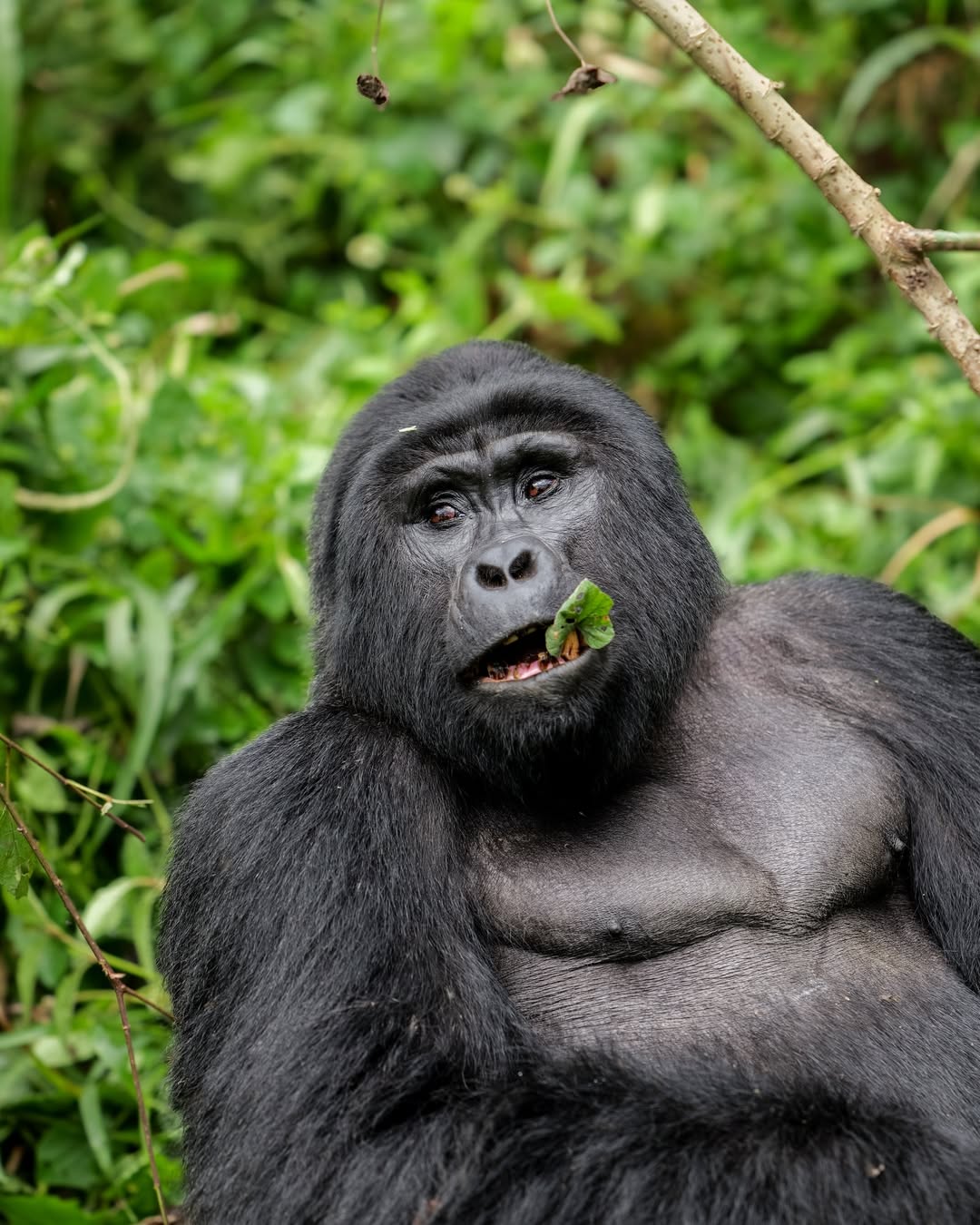
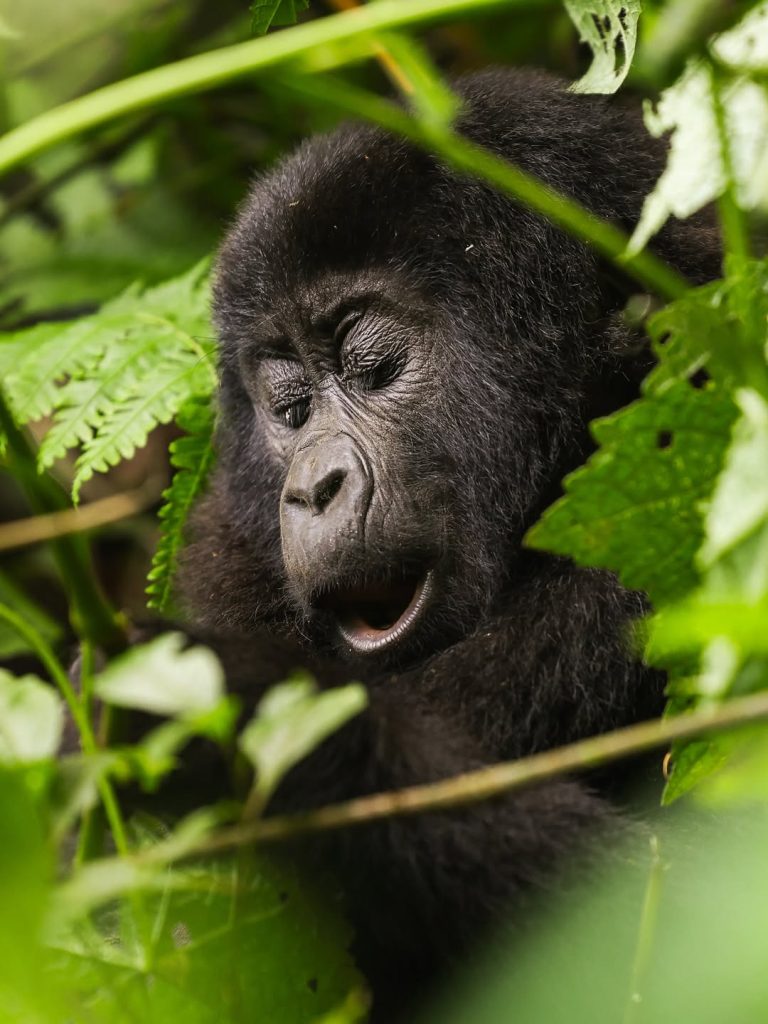
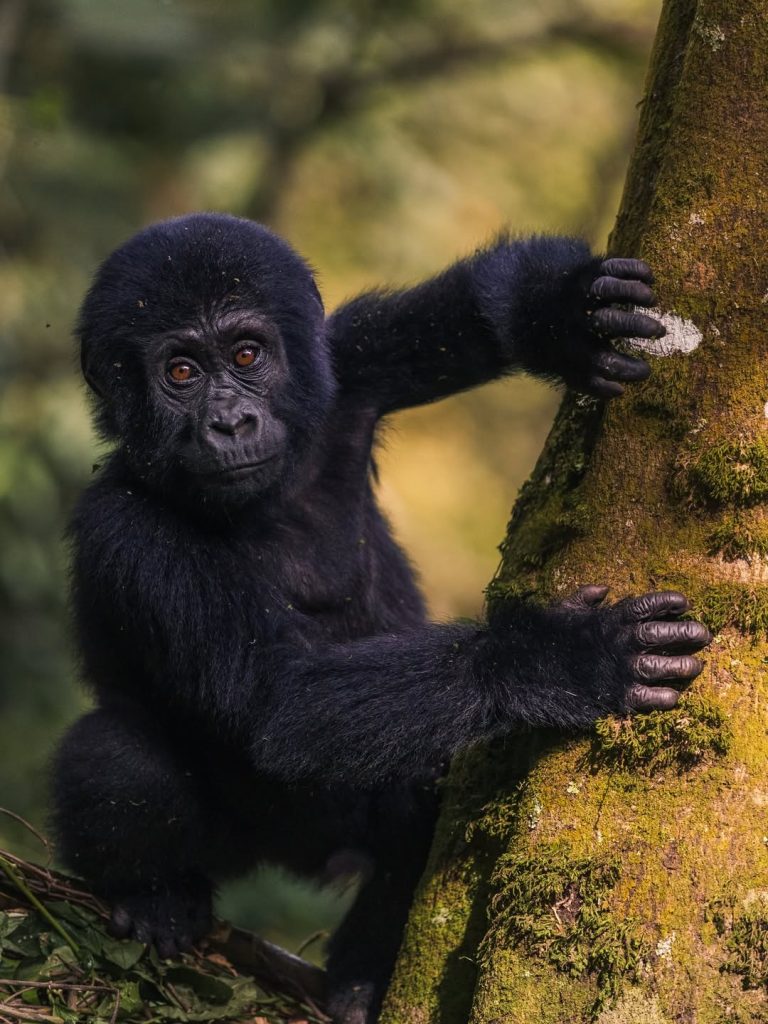
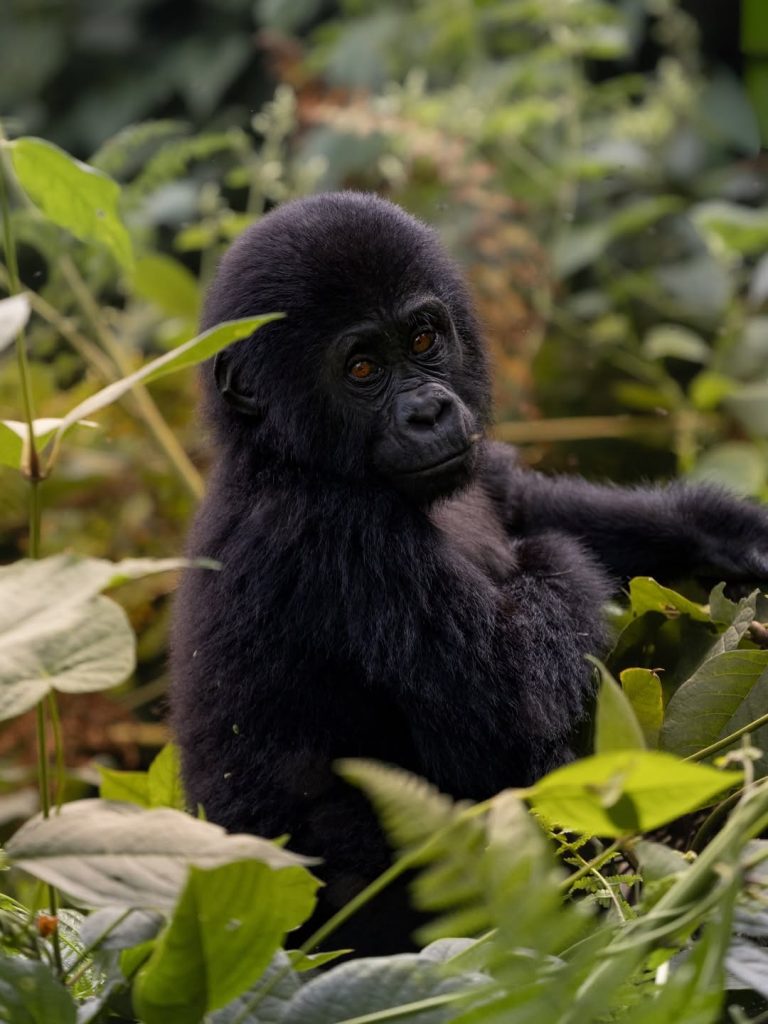
Gorilla trekking in Uganda and Rwanda is a truly unforgettable wildlife experience, offering a rare opportunity to step into misty rainforests and observe endangered mountain gorillas in their natural habitat. Although trekking is possible throughout the year, the overall experience can vary depending on the season. Weather conditions, trail difficulty, visibility, and crowd levels all shift with rainfall patterns, so choosing the right time to visit can greatly improve your comfort and enjoyment.
Both countries share a similar climate due to their location along the equator, but subtle differences in terrain and altitude mean your experience may feel slightly different depending on where and when you go.
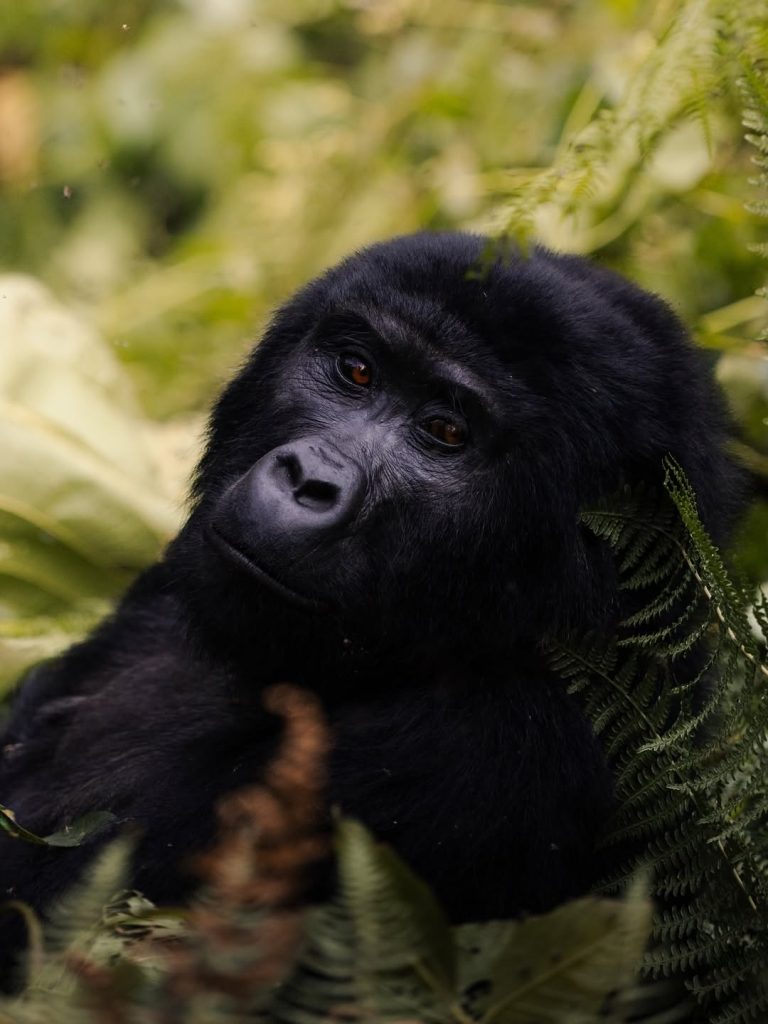
Overview of Seasons in Uganda and Rwanda
Gorilla trekking regions in Uganda (Bwindi Impenetrable and Mgahinga National Parks) and Rwanda (Volcanoes National Park) are located at high altitudes, typically between 2,000 and 3,000 meters. This results in a generally cool, humid climate year-round, with average daytime temperatures ranging from 20°C to 27°C.
The year is divided into two main dry seasons and two wet seasons:
- Dry seasons: June to September & December to February
- Wet seasons: March to May & October to November
While gorilla trekking is available year-round, these seasonal changes significantly affect trail conditions and overall trekking comfort.
Dry Seasons – Best Time for Gorilla Trekking
The dry seasons (June–September and December–February) are widely considered the best time for gorilla trekking in both Uganda and Rwanda.
During these months, rainfall is minimal, making forest trails firmer and less slippery. This makes hiking more manageable, especially in Uganda’s steeper terrain such as Bwindi. Vegetation is also slightly thinner, improving visibility and making it easier to spot wildlife along the way.
In Rwanda’s Volcanoes National Park, the dry season offers clearer skies and more comfortable hiking conditions through bamboo and volcanic slopes. Photography is also at its best, with better lighting and reduced mist.
However, because these months are the most popular, demand for gorilla permits and accommodation is very high. Early booking—often several months in advance—is strongly recommended.
Wet Seasons – Green, Quiet, and Budget-Friendly
The wet seasons (March–May and October–November) bring heavier rainfall, turning the forests into lush, green landscapes filled with vibrant plant life and rich biodiversity.
Although trekking becomes more challenging due to muddy and slippery trails, the experience is equally rewarding. Gorillas often move to lower elevations, which can sometimes result in shorter treks. The forest is quieter, with fewer tourists, creating a more intimate and peaceful atmosphere.
This period is also ideal for budget travelers, as many lodges reduce their rates and permit availability is generally easier compared to peak season. For photographers, the misty, dramatic scenery offers unique and atmospheric shots.
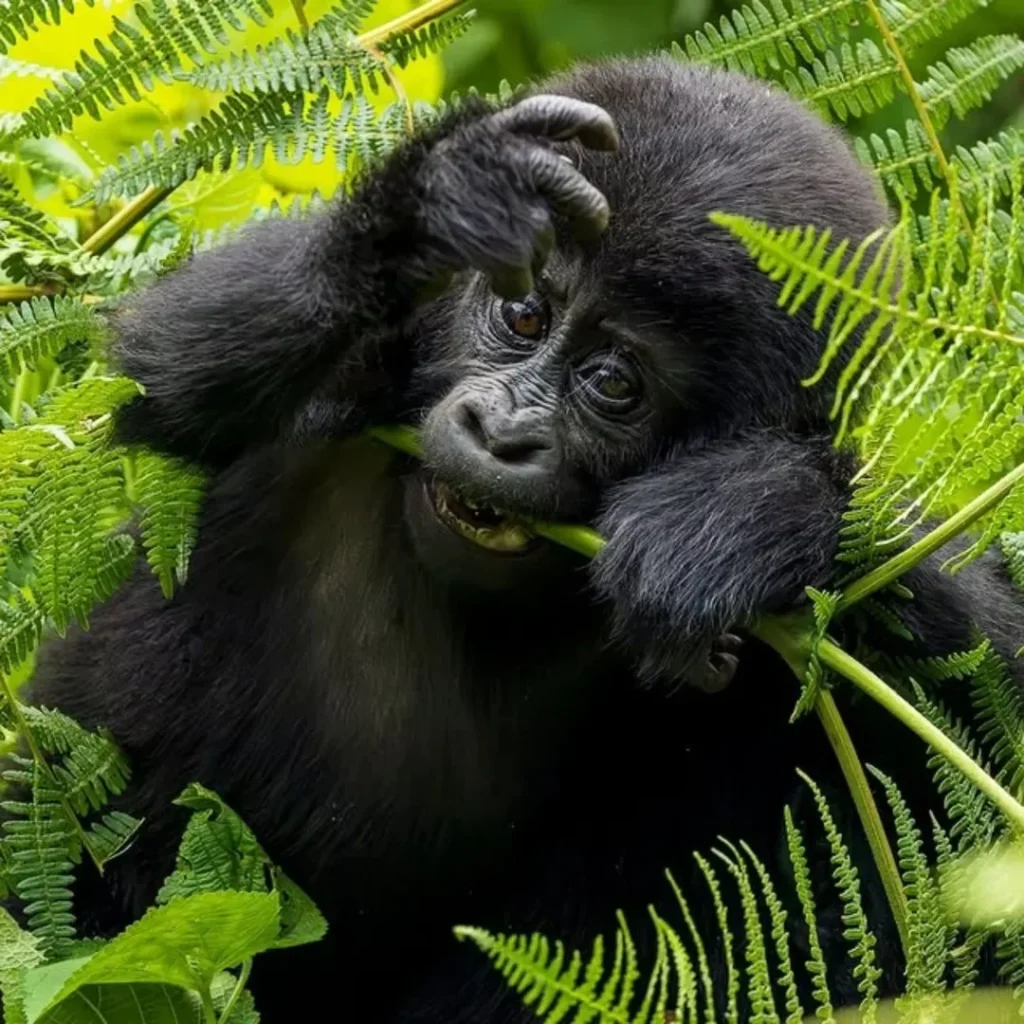
Uganda vs Rwanda: Seasonal Differences
While both countries follow the same general climate pattern, trekking experiences can differ slightly:
- Uganda (Bwindi & Mgahinga):
The terrain is more rugged, dense, and physically demanding. Rain can make trekking more challenging, but encounters with gorillas remain consistent year-round. Uganda also offers more diverse safari extensions, making it ideal for longer itineraries. - Rwanda (Volcanoes National Park):
The terrain is more open and slightly easier to navigate, even during wetter months. Accessibility from Kigali also makes Rwanda more convenient for short trips and luxury-focused safaris.
Month-by-Month Experience in Brief
- June–September: Best overall conditions; dry trails, peak season, high demand
- December–February: Excellent trekking conditions with festive travel appeal
- March–May: Heavy rains, lush forest, fewer crowds, lower prices
- October–November: Short rains, dramatic scenery, quieter experience
Final Recommendation
The best time for gorilla trekking in Uganda and Rwanda is during the dry seasons, when hiking conditions are easier and visibility is generally better. However, the wet seasons should not be overlooked, especially for travelers seeking fewer crowds, lower costs, and greener landscapes.
Ultimately, gorilla trekking is a year-round experience, and no matter when you visit, the encounter with mountain gorillas remains deeply moving and unforgettable. What matters most is planning ahead, securing permits early, and choosing a season that matches your travel style and expectations.
Frequently Asked Questions (FAQs)
1. Can I go gorilla trekking all year round in Uganda and Rwanda?
Yes, gorilla trekking is available throughout the year in both Uganda and Rwanda. However, weather conditions vary by season, which can affect trail difficulty and comfort levels.
2. What is the absolute best month for gorilla trekking?
The most popular months are June to September and December to February because they offer drier trails, easier hiking conditions, and better visibility in the forest.
3. Is it possible to see gorillas during the rainy season?
Yes, gorillas remain in the parks all year and do not migrate. You can still see them during the rainy season, although the trails may be muddier and more challenging.
4. Is the rainy season bad for gorilla trekking?
Not necessarily. While trekking is more difficult due to slippery paths, the forests are greener, less crowded, and often more affordable during this time.
5. Which country is better in the rainy season, Uganda or Rwanda?
Rwanda is generally easier during wet months due to more open terrain and better-maintained trails. Uganda offers a more rugged but rewarding rainforest experience.
6. Do I need to book gorilla permits in advance?
Yes, especially in the dry season. Permits can sell out months ahead, so booking early is strongly recommended.
7. Does weather affect gorilla sightings?
No. Gorilla sightings are guaranteed year-round since groups are tracked daily by rangers regardless of weather conditions.
8. What should I wear depending on the season?
In both seasons, wear hiking boots, long sleeves, and waterproof clothing. In the rainy season, rain jackets, gaiters, and gloves are especially important.
9. Are there fewer tourists in the rainy season?
Yes, the wet seasons usually have fewer visitors, making the experience quieter and more private.
10. Which season is best for photography?
Dry seasons are best for clear shots, while wet seasons offer dramatic, misty, and highly atmospheric forest photography.

