


How Much Does Gorilla Trekking Cost in Uganda and Rwanda?
Gorilla Cost Uganda Rwanda
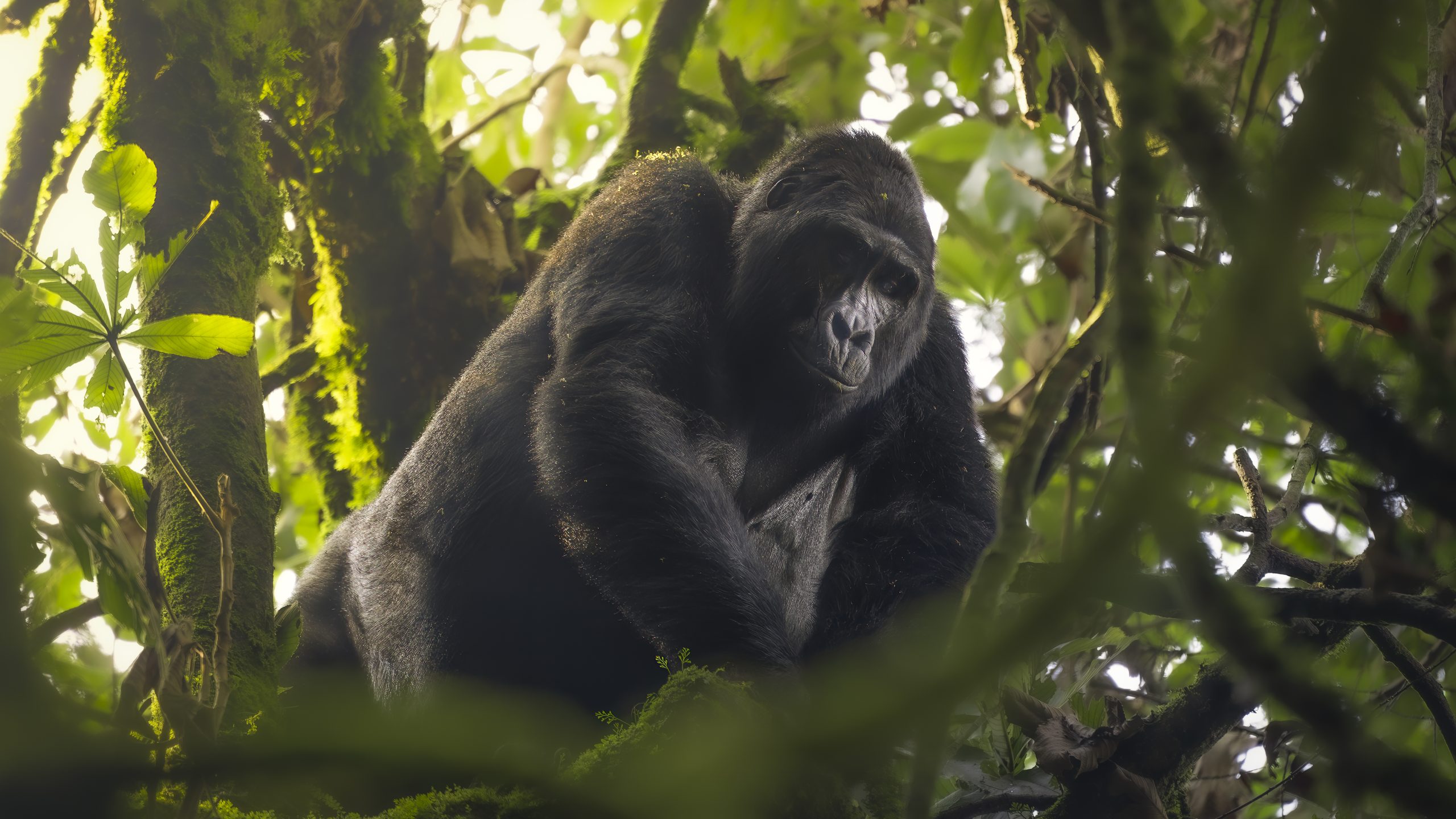
Gorilla trekking is one of the most extraordinary wildlife experiences in the world, offering a rare and intimate encounter with endangered mountain gorillas in their natural habitat. However, it is also one of the more premium wildlife activities, and understanding the costs involved is an important part of planning your trip.
If you’re considering this once-in-a-lifetime adventure, one of the first questions you’ll likely ask is: how much does gorilla trekking actually cost? The answer isn’t fixed, as the total expense can vary depending on several factors.
The overall cost largely depends on whether you choose Uganda or Rwanda, as permit prices differ significantly between the two countries. In addition, your travel style, choice of accommodation, transport options, and length of stay will all influence your final budget.
In this guide, we break down all the key costs—from permits and lodging to transport and extras—so you can plan your gorilla trekking experience with confidence and choose the option that best fits your budget and travel goals.
Gorilla Trekking Permit Costs
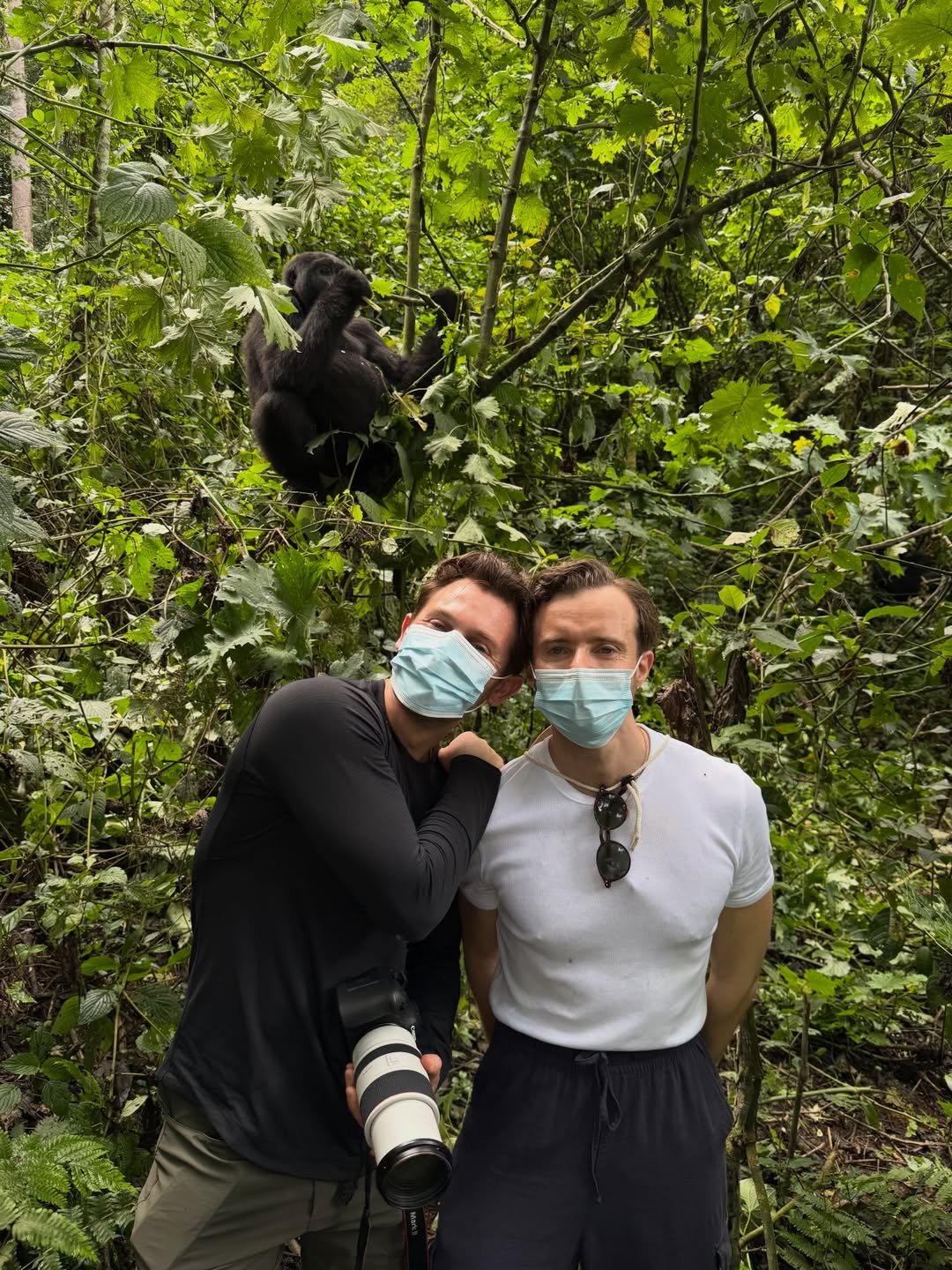 The gorilla trekking permit is the most important and unavoidable cost when planning a gorilla safari. It is your official entry pass into the national parks and includes the opportunity to spend one hour with a habituated gorilla family under the supervision of trained rangers.
Permit fees are carefully regulated because they play a major role in gorilla conservation, park management, and supporting local communities.
Uganda Permit Cost
Uganda offers more flexible and affordable pricing depending on residency status:
- $800 per person – Foreign non-residents
- $700 per person – Foreign residents
- $500 per person – African citizens
- UGX 300,000–350,000 – East African citizens
Uganda also offers a special and more immersive option known as the Gorilla Habituation Experience, which allows visitors to spend up to 4 hours with a gorilla family as they gradually become accustomed to human presence.
Because of its lower permit prices and added flexibility, Uganda is widely regarded as the more budget-friendly destination, making it especially popular among budget and mid-range travelers who want a full safari experience at a lower overall cost.
Rwanda Permit Cost
- $1,500 per person – All foreign visitors
Rwanda applies a single fixed rate for all international tourists, positioning itself as a premium and luxury gorilla trekking destination. While the permit is significantly more expensive than Uganda’s, it reflects Rwanda’s high-end tourism model, which includes excellent infrastructure, well-organized park operations, and very easy access from Kigali.
The higher cost also contributes to Rwanda’s focus on exclusive, low-impact tourism, helping maintain fewer crowds and a more controlled trekking experience.
Accommodation Costs
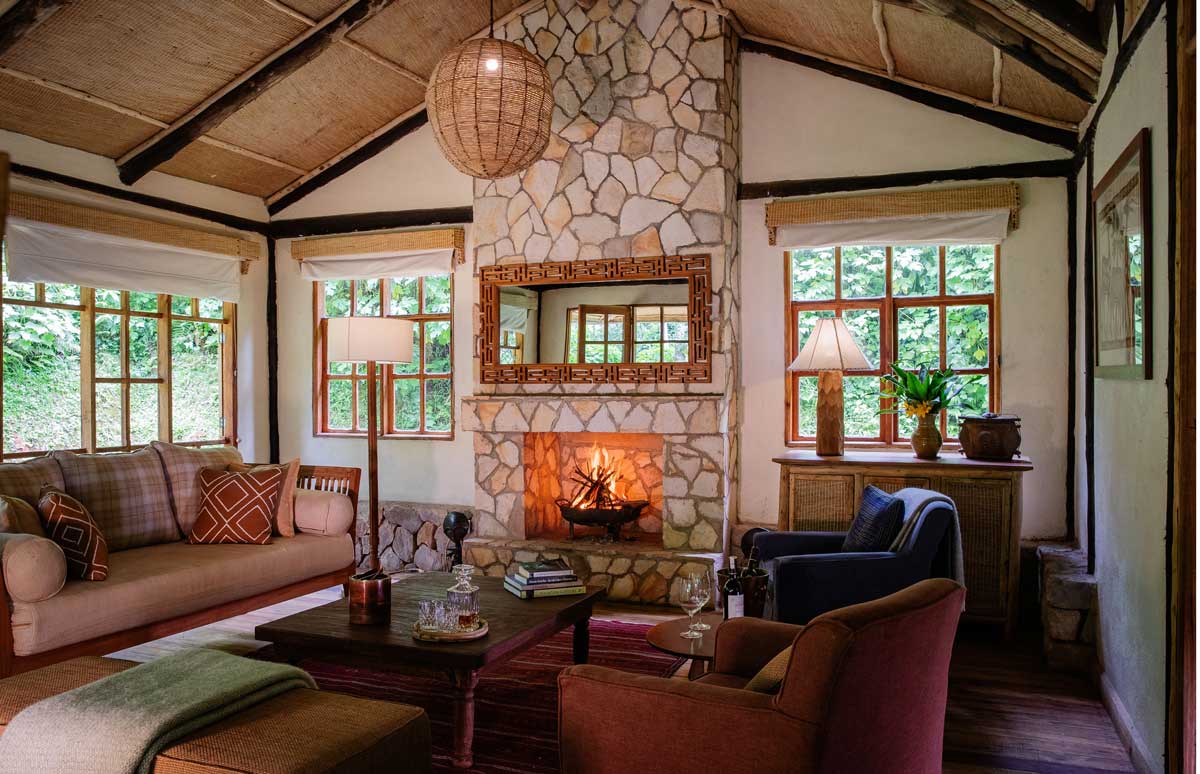 Your choice of accommodation plays a major role in determining the overall cost of your gorilla trekking safari. Prices vary depending on comfort level, location, and proximity to the national parks.
Uganda
Uganda offers a wide and flexible range of accommodation options, making it suitable for all types of travelers—from budget backpackers to luxury safari guests. Most lodges around Bwindi Impenetrable National Park and Mgahinga Gorilla National Park are designed to match different travel styles and budgets.
- Budget lodges: $30 – $100 per night
These are simple guesthouses, bandas, and basic safari camps that provide essential services and a comfortable place to rest after a trek. They are ideal for travelers looking to keep costs low while still staying close to the park. - Mid-range lodges: $100 – $300 per night
These lodges offer more comfort, better facilities, private rooms, and often beautiful forest or mountain views. They strike a good balance between affordability and comfort. - Luxury lodges: $300 – $1,000+ per night
High-end safari lodges provide premium services such as spacious cottages, fine dining, personalized service, and stunning views of the rainforest. They are designed for travelers seeking a more exclusive experience.
This wide range makes Uganda a highly flexible destination where travelers can easily adjust their safari budget.
Rwanda
Rwanda’s accommodation sector is more focused on upscale and luxury tourism, especially around Volcanoes National Park. The country has invested heavily in high-end lodges that offer comfort, privacy, and exceptional service.
- Mid-range lodges: $200 – $400 per night
These options are limited but provide comfortable stays with good amenities and convenient access to the park. - Luxury lodges: $500 – $2,000+ per night
Rwanda is known for world-class lodges such as exclusive eco-retreats and luxury safari properties. These lodges offer premium experiences including private cottages, fine dining, spa services, and breathtaking views of the volcanic landscape.
Because budget-friendly options are limited, Rwanda is generally better suited for travelers who prefer a luxury-focused safari experience or are comfortable with higher travel costs.
Transport Costs
Transport is another important factor that affects the overall cost of a gorilla trekking safari, and it varies significantly between Uganda and Rwanda due to distance and accessibility.
Uganda
In Uganda, gorilla trekking destinations such as Bwindi Impenetrable National Park and Mgahinga Gorilla National Park are located far from Kampala and Entebbe, which increases travel time and transport costs.
- By road: Road transport is often included in organized safari packages. However, if arranged privately, it can cost around $100 – $300 per day, depending on the type of vehicle and level of comfort (standard safari vehicle vs. private 4×4).
- Domestic flights: For faster access, travelers can fly from Entebbe to Kihihi or Kisoro airstrips, with prices ranging from $300 – $500 one way, followed by a short transfer to the park.
Because of the long distances involved, transport in Uganda can add a significant portion to the total safari cost, especially if flights are used to save time.
Rwanda
Rwanda is much more compact and easier to navigate, which makes transport simpler and generally more affordable.
- Road transfer from Kigali: A private transfer from Kigali to Volcanoes National Park typically costs between $50 – $150, depending on the vehicle type and service level.
Since the park is only about 2–3 hours from the capital, travelers spend less time and money on transport, making Rwanda a more convenient and time-efficient option.
Guide, Porter, and Tips
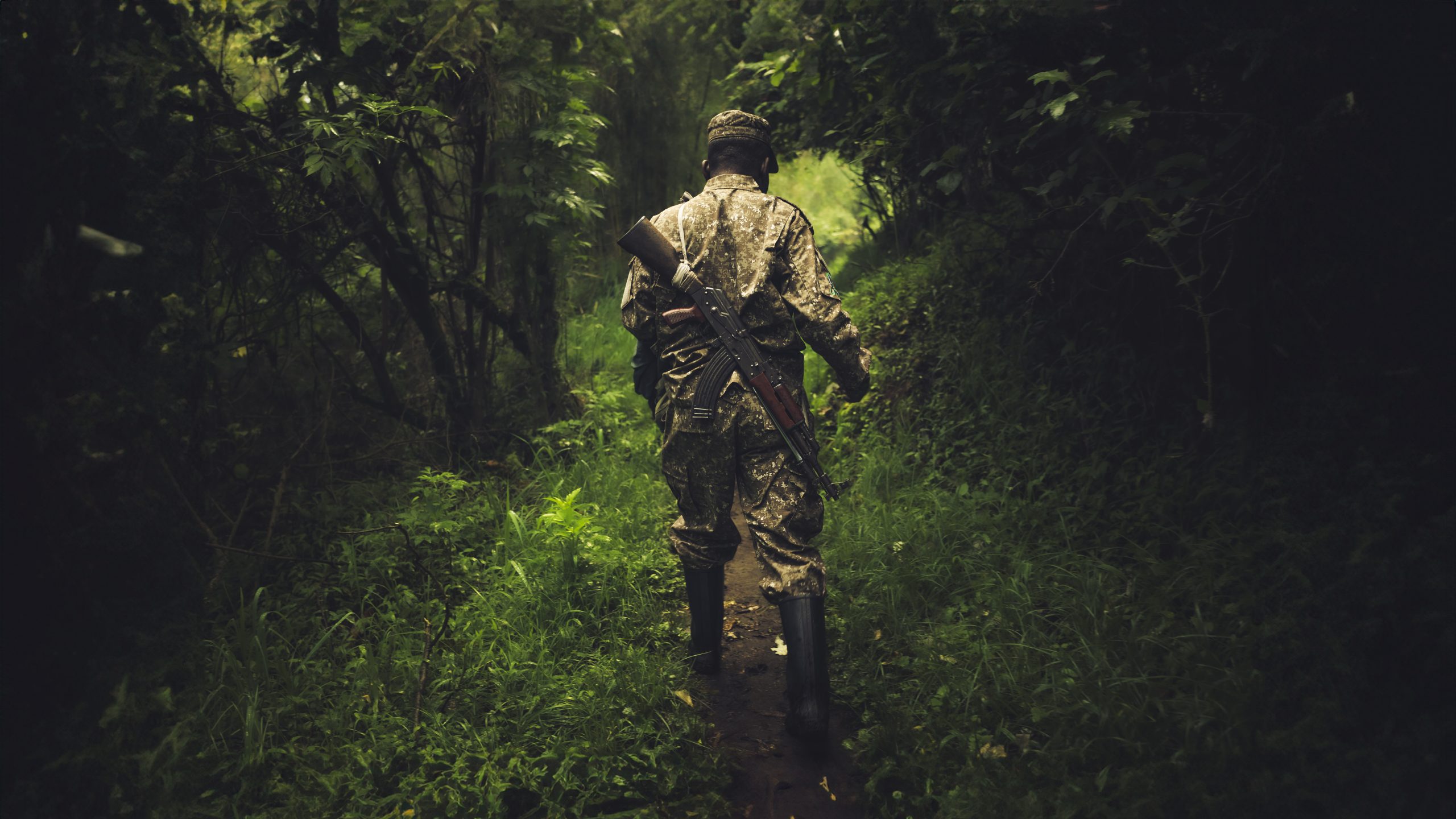
While professional guide services are included in the gorilla trekking permit, there are still a few optional but important additional costs that can enhance your experience.
- Porter fees: $15 – $20 per trek (highly recommended)
Hiring a porter helps carry your backpack, supports you on steep or muddy sections, and makes the trek much easier—especially in challenging terrain. It also directly supports local community members who depend on tourism for income. - Tips for guides and staff: $10 – $20 or more depending on service
Tipping is not mandatory but is a common way to show appreciation for the hard work of guides, trackers, and park staff who ensure a safe and successful trek.
These smaller expenses may seem minor, but they contribute greatly to both your comfort and the sustainability of gorilla tourism.
Total Estimated Cost of Gorilla Trekking
The overall cost of a gorilla trekking trip depends on several elements, including permits, accommodation, transport, and how long you stay. Below is a general estimate for a 2–3 day gorilla trekking experience in both Uganda and Rwanda.
Uganda
Uganda is generally the more affordable option, offering flexibility for different travel budgets.
- Budget: $1,000 – $1,500 per person
- Mid-range: $1,500 – $2,500 per person
- Luxury: $2,500 – $5,000+ per person
These costs typically include the gorilla permit, accommodation, transport, meals, and basic safari logistics. Budget travelers can keep costs low by choosing simple lodges and road transport, while luxury travelers can enjoy high-end lodges and fly-in options.
Rwanda
Rwanda is positioned as a premium gorilla trekking destination, with higher overall costs due to expensive permits and luxury-focused accommodation.
- Mid-range: $2,000 – $3,500 per person
- Luxury: $3,500 – $7,000+ per person
Rwanda’s pricing reflects its high-end tourism model, shorter travel distances, and well-developed infrastructure, making it ideal for travelers seeking comfort and convenience.
What Affects the Cost?
Several key factors influence how much you will spend on your gorilla trekking safari:
- Season – Peak travel seasons (June–September and December–February) often have higher accommodation and transport rates due to demand.
- Travel style – Choosing between budget, mid-range, or luxury lodges significantly impacts your total cost.
- Transport choice – Road transfers are more affordable, while domestic flights increase the overall budget but save time.
- Trip length – Longer itineraries that include more destinations naturally increase total expenses.
- Additional activities – Extras such as chimpanzee tracking, game drives, cultural visits, or boat safaris will add to the overall cost but also enhance the experience.
Understanding these factors helps you plan a safari that matches both your budget and travel expectations.
Is Gorilla Trekking Worth the Cost?
While gorilla trekking is undeniably expensive compared to many other wildlife experiences, most travelers agree that it is absolutely worth the investment. The chance to come face-to-face with endangered mountain gorillas in their natural habitat is incredibly rare and deeply emotional. It is not just a safari activity, but a powerful wildlife encounter that many people describe as a once-in-a-lifetime experience.
Beyond the personal experience, gorilla trekking also plays a major role in conservation. A significant portion of permit fees goes directly toward protecting mountain gorillas, funding park management, and supporting surrounding communities. This means your visit contributes to the long-term survival of these incredible animals and helps improve the livelihoods of local people.
Uganda vs Rwanda: Cost Comparison
When comparing Uganda and Rwanda, the difference in cost and travel style becomes quite clear.
- Uganda: More affordable overall, with lower permit prices, a wider range of accommodation options, and more diverse safari experiences beyond gorillas. However, it often involves longer travel times and more rugged journeys to reach the parks.
- Rwanda: More expensive, but offers easier access from Kigali, shorter travel times, and a more polished, luxury-focused safari experience. It is ideal for travelers who prefer convenience, comfort, and efficiency.
Ultimately, Uganda is best suited for travelers looking for value and adventure, while Rwanda appeals to those prioritizing comfort and a premium travel experience.
Final Thoughts
Gorilla trekking in both Uganda and Rwanda is a truly unique and life-changing experience that requires careful planning and budgeting. Each destination offers something special—Uganda with its affordability, adventure, and wider safari circuit, and Rwanda with its accessibility, luxury lodges, and well-organized tourism system.
No matter which country you choose, the moment you stand quietly in the forest and observe a mountain gorilla family up close is unforgettable. It is an experience that goes far beyond its cost, leaving a lasting impression that stays with you for a lifetime.
Frequently Asked Questions (FAQs)
1. Why is gorilla trekking so expensive?
The cost supports conservation efforts, park management, and local communities, while also limiting the number of visitors to protect the gorillas.
2. Is Uganda or Rwanda cheaper for gorilla trekking?
Uganda is significantly cheaper, mainly due to lower permit costs and more budget accommodation options.
3. How far in advance should I book a permit?
It is best to book 3–6 months in advance, especially during peak seasons.
4. Can I see gorillas without a permit?
No, a permit is mandatory and strictly required to access gorilla trekking areas.
5. Are there any hidden costs?
Additional costs may include transport, accommodation, porter fees, tips, and optional activities.
6. Is gorilla trekking safe?
Yes, it is very safe. Treks are guided by trained rangers who ensure both visitor safety and gorilla protection.
7. What is the best country for budget travelers?
Uganda is the best choice for budget-conscious travelers.
8. What is the best country for luxury travelers?
Rwanda is ideal for those seeking high-end lodges and a more premium experience.

