Everything You Need to Know About Gorilla Trekking in Volcanoes National Park
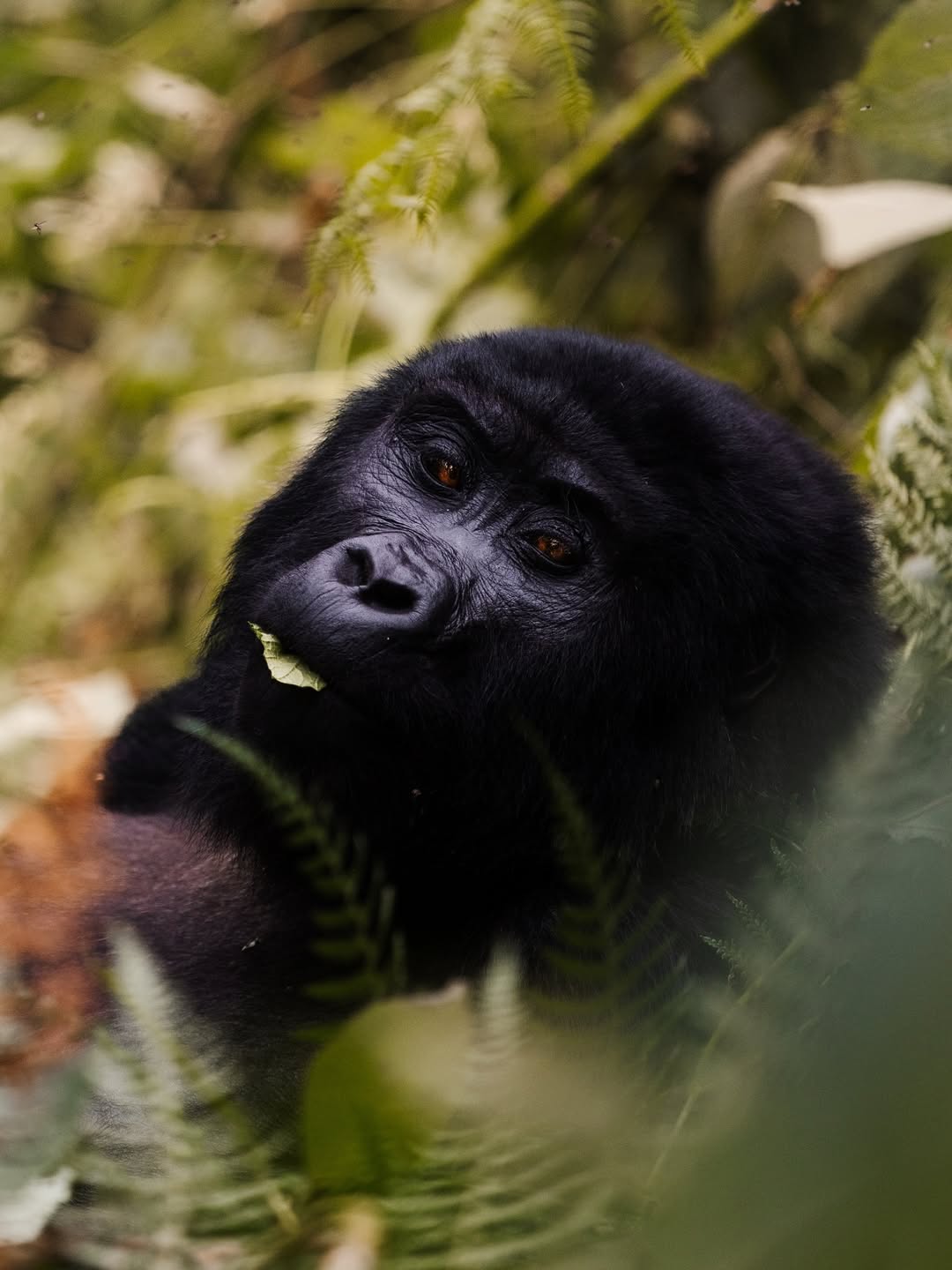
Gorilla trekking in Volcanoes National Park, Rwanda is one of the most iconic wildlife experiences in Africa. Set against the dramatic backdrop of volcanic mountains and bamboo forests, this adventure offers a rare chance to come face-to-face with endangered mountain gorillas in their natural habitat.
This guide covers everything you need to know before your visit—from permits and trekking experience to the best time to go and what to expect on the trail.
About Volcanoes National Park
Volcanoes National Park is located in northwestern Rwanda, forming part of the larger Virunga Mountain range shared with Uganda and the Democratic Republic of Congo. It is Rwanda’s most famous national park and one of the few places in the world where mountain gorillas can be found.
The park is made up of lush bamboo forests, volcanic slopes, and open highland vegetation, creating a stunning and unique environment for wildlife. It is home not only to gorillas but also to golden monkeys, forest birds, and other wildlife species.
Gorilla Trekking Experience in Volcanoes National Park
Gorilla trekking begins early in the morning with a briefing at the park headquarters in Kinigi. Visitors are assigned to a gorilla family and grouped based on fitness levels.
You then set off into the forest with experienced guides and trackers who lead you through bamboo forests, volcanic slopes, and dense vegetation in search of the gorillas. The trek can take anywhere from one to several hours depending on their location.
Once the gorillas are found, you are allowed one hour to observe them as they feed, play, rest, and interact. This quiet and intimate encounter is carefully managed to ensure the safety of both visitors and gorillas.
Gorilla Trekking Permits
A gorilla trekking permit is mandatory for anyone wishing to visit Volcanoes National Park and take part in the gorilla trekking experience. This permit is your official authorization to enter the park, join a guided trek, and spend time with a habituated gorilla family under strict conservation rules.
- Cost: $1,500 per person
- Includes: Park entry fees, services of professional guides and trackers, and one full hour with a gorilla family once they are located
Because gorilla trekking is a highly regulated and conservation-focused activity, the number of permits issued each day is strictly limited. This helps reduce human impact on the gorillas and ensures a more controlled and sustainable tourism experience.
Due to the limited availability and high global demand, permits often sell out quickly—especially during the peak seasons from June to September and December to February. For this reason, it is strongly recommended to book your permit several months in advance to secure your preferred travel dates and avoid disappointment.
Trekking Difficulty
Gorilla trekking in Volcanoes National Park is generally considered moderate compared to other destinations. The terrain includes volcanic slopes and bamboo forests, but trails are often more open and less dense than in Uganda’s Bwindi forest.
While some hikes can be challenging due to altitude, many treks are shorter and more accessible, making Rwanda a good option for travelers seeking a less physically demanding experience.
Best Time to Visit
Volcanoes National Park can be visited year-round, but the quality of your trekking experience largely depends on the season and weather conditions.
June to September – Peak Dry Season
This is the best time to visit for gorilla trekking. The weather is generally drier, making trails less muddy and easier to hike. Visibility is also better, which improves your overall trekking experience and photography. Because this is the peak travel season, permits and accommodations are in high demand, so early booking is important.
December to February – Short Dry Season
This is another excellent time to visit, with relatively stable weather and good trekking conditions. Trails are easier to navigate compared to the rainy months, and the overall experience is comfortable. It’s also a popular time for travelers combining gorilla trekking with holiday trips.
March to May & October to November – Rainy Seasons
During these months, the park experiences heavier rainfall, making trails more slippery and physically challenging. However, trekking is still possible and can be rewarding for those prepared for the conditions. The landscape becomes lush and vibrant, and there are fewer tourists, offering a quieter and more intimate experience.
How to Get There
Volcanoes National Park is one of the most accessible gorilla trekking destinations in Africa, making it ideal for both short trips and longer safaris.
- Distance: Approximately 2–3 hours by road from Kigali
- Route: Kigali → Musanze → Kinigi (park headquarters)
The journey from Kigali is smooth and straightforward, with well-maintained roads and scenic views of Rwanda’s rolling hills, often referred to as the “Land of a Thousand Hills.” Most travelers depart early in the morning and arrive at their lodge or the park in time for briefing or relaxation.
Because of the short travel time, it is possible to arrive in Rwanda and go gorilla trekking the next day, or even plan a quick 2–3 day trip focused entirely on the experience. This convenience is one of the key reasons Rwanda is a popular choice for travelers with limited time.
What to Expect on Trek Day
Your gorilla trekking day in Volcanoes National Park starts early in the morning with a detailed briefing at the park headquarters in Kinigi. During this session, park rangers explain the trekking rules, safety guidelines, and assign you to a specific gorilla family based on factors such as fitness level and location of the gorillas.
After the briefing, you set off into the forest with experienced guides and trackers. The trek takes you through bamboo forests, open slopes, and volcanic terrain, with rangers using signs like nests, footprints, and broken vegetation to locate the gorillas. The duration of the hike can vary from a short walk to several hours depending on where the gorillas are that day.
As you get closer, the pace slows and the excitement builds. Once the gorilla family is found, you are allowed one unforgettable hour to observe them as they feed, groom, play, and interact naturally. The encounter is calm, intimate, and carefully managed to ensure minimal disturbance.
After your time with the gorillas, you hike back to the starting point. At the end of the trek, you receive a gorilla trekking certificate, marking your successful and memorable experience in Volcanoes National Park.
Other Activities in Volcanoes National Park
While gorilla trekking is the main highlight, Volcanoes National Park offers several other rewarding experiences that allow you to explore its wildlife, history, and landscapes.
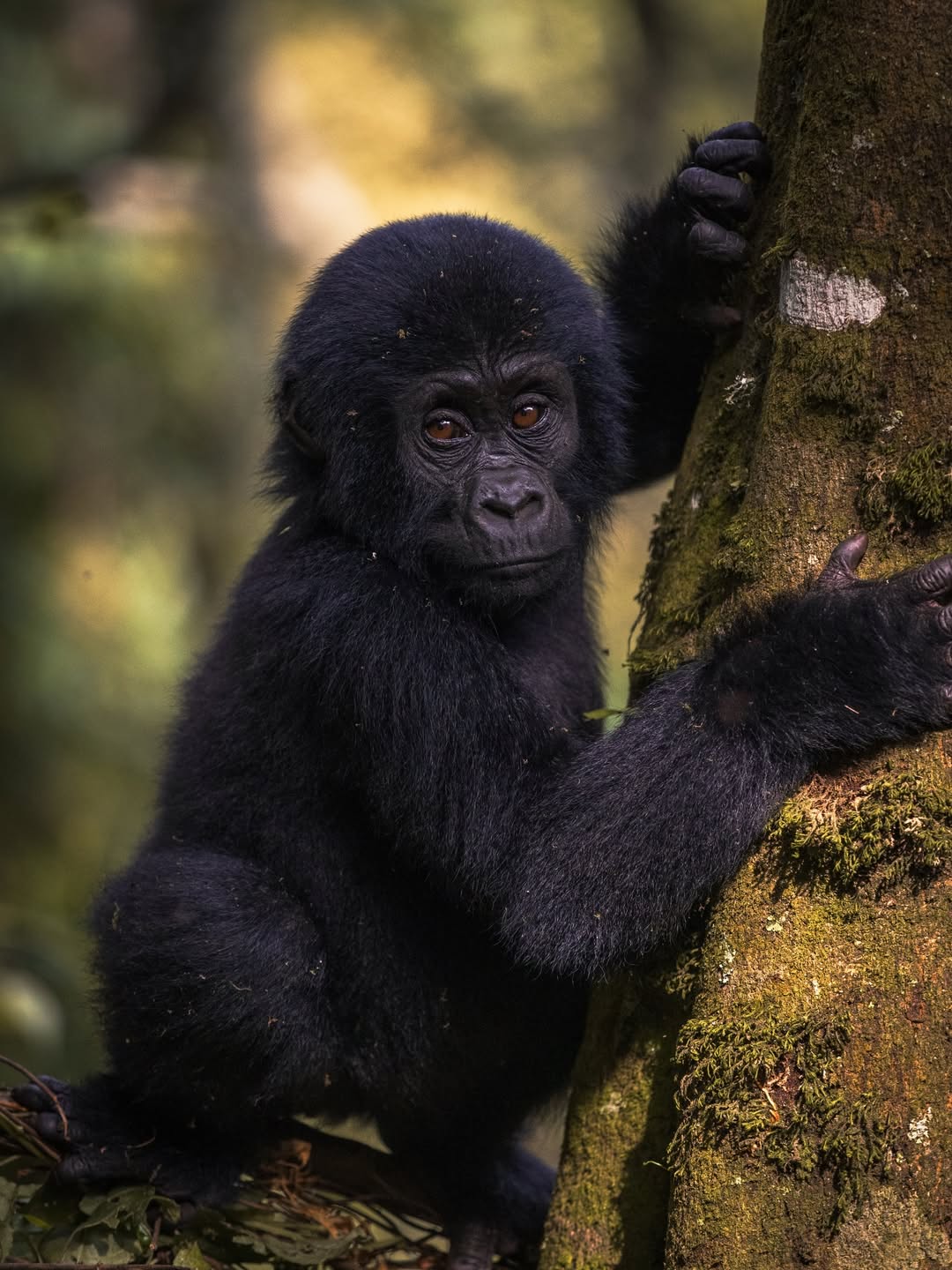
- Gorilla Trekking – The park is home to around 12 habituated gorilla families, including groups like Susa, Amahoro, and Hirwa. Trekking these endangered primates is the top activity in Rwanda and a must-do for any safari itinerary.
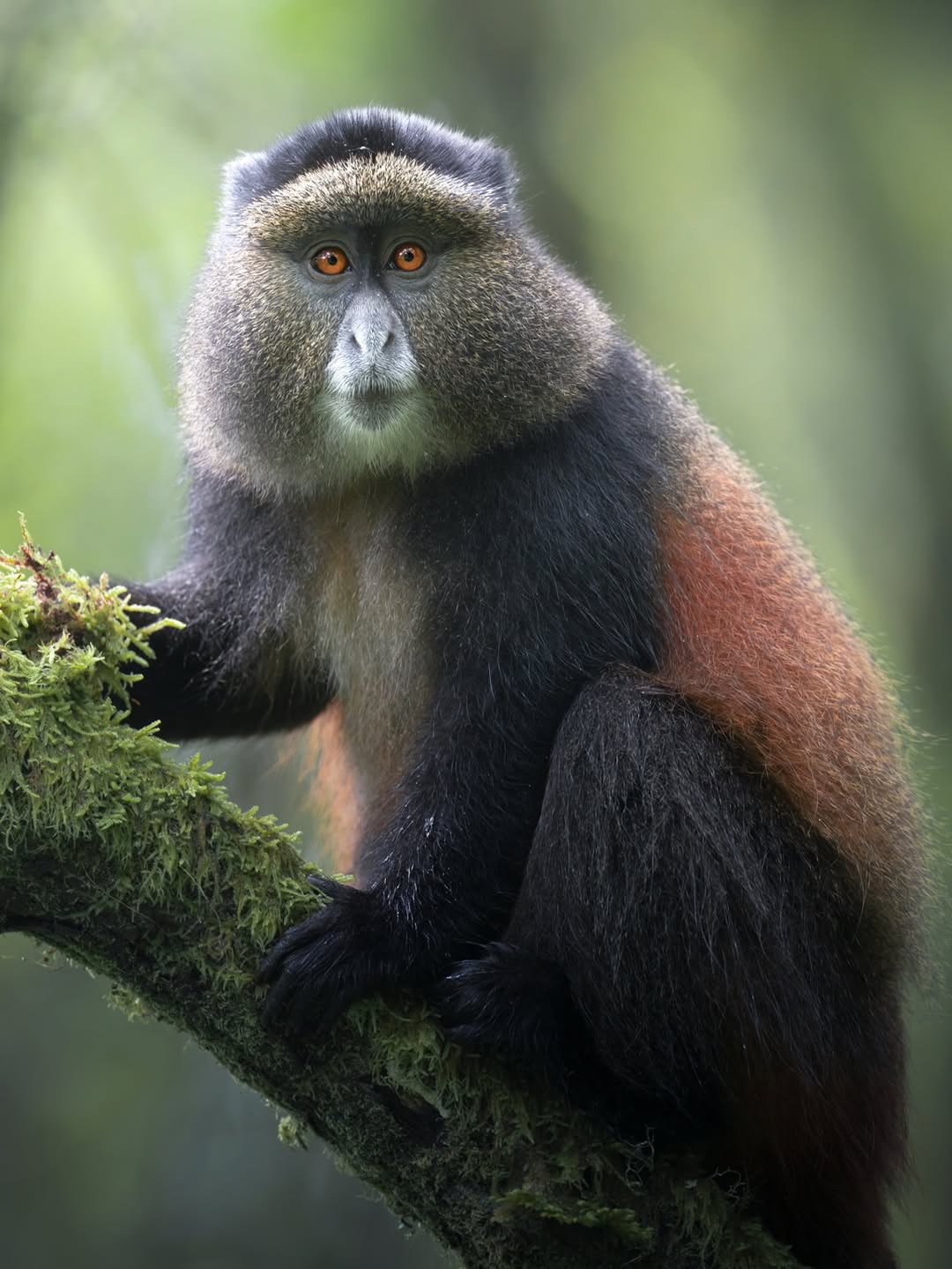
- Golden Monkey Tracking – A great alternative or addition to gorilla trekking, this experience takes you into the bamboo forests at the base of the Virunga Volcanoes. Golden monkeys are lively and easier to locate, making the trek shorter and equally enjoyable.
- Volcano Hiking – For hiking enthusiasts, the park offers climbs on several Virunga volcanoes, including Mount Bisoke, known for its scenic crater lake at the summit. Both day hikes and more challenging options are available.
- Dian Fossey Tomb Hike – This hike takes you to the former research site of Dian Fossey, the famous primatologist. Along the way, you learn about her conservation work, and at the site, you can visit her grave, located near the gorillas she dedicated her life to protecting.
- Cultural Village Visits (Musanze area) – Visitors can explore nearby communities to experience traditional Rwandan culture, including local dances, storytelling, and insights into daily life, adding a cultural dimension to the safari experience.
What to Pack
- Hiking boots with good grip – Sturdy, waterproof boots are essential for navigating uneven, sometimes muddy trails on volcanic slopes and forest paths. Good grip helps prevent slipping during the trek.
- Long trousers and long-sleeved shirts – These protect your skin from scratches, stinging plants, and insects while moving through bamboo forests and thick vegetation.
- Waterproof jacket – Weather in the park can change quickly, so a lightweight rain jacket will keep you dry and comfortable during sudden showers.
- Gloves for vegetation – Light gloves are useful for holding onto branches and vines when climbing or moving through dense areas of the trail.
- Insect repellent – Helps protect against mosquito bites and other insects commonly found in forest environments.
- Drinking water and light snacks – Staying hydrated and energized is important, as treks can last several hours depending on the location of the gorillas.
- Camera (no flash allowed) – A camera is a must to capture the experience, but flash photography is strictly prohibited to avoid disturbing the gorillas.
Rules for Gorilla Trekking
To protect the endangered mountain gorillas and ensure a safe and respectful encounter, all visitors must follow strict guidelines during the trek:
- Keep a safe distance of at least 7 meters – This minimizes the risk of disease transmission and allows the gorillas to behave naturally without feeling threatened.
- No eating near gorillas – Food is not allowed in close proximity, as it can attract their attention and interfere with their natural feeding behavior.
- No flash photography – Flash can startle and stress the gorillas, so all photos must be taken without flash.
- Do not visit if you are sick – Gorillas are highly vulnerable to human illnesses such as colds and flu, so anyone feeling unwell is not permitted to trek.
- Always follow ranger instructions – Guides are trained to ensure both your safety and the wellbeing of the gorillas, so it is important to listen carefully and follow their directions at all times.
Final Thoughts
Gorilla trekking in Volcanoes National Park is a powerful and unforgettable experience. The combination of breathtaking volcanic scenery, well-organized trekking systems, and close encounters with mountain gorillas makes Rwanda one of the top wildlife destinations in the world.
Whether you’re visiting for a short trip or combining it with a longer safari, this experience will leave you with memories that last a lifetime.
Frequently Asked Questions (FAQs)
1. How much does gorilla trekking in Volcanoes National Park cost?
A gorilla trekking permit costs $1,500 per person, which includes park entry, ranger guides, and one hour with a gorilla family.
2. How long does a gorilla trek take?
The trek can take anywhere from 1 to 6 hours, depending on the location of the gorilla family. The actual time spent with the gorillas is limited to one hour.
3. Is gorilla trekking difficult?
It is considered moderate in difficulty. Some treks are easier, while others involve hiking on steep or uneven terrain, but guides adjust the pace to suit the group.
4. What is the minimum age for gorilla trekking?
The minimum age is 15 years, and this rule is strictly enforced for safety and conservation reasons.
5. When is the best time to go gorilla trekking in Rwanda?
The best time is during the dry seasons (June–September and December–February) when trails are easier to hike.
6. How close can you get to the gorillas?
Visitors are required to keep a distance of at least 7 meters, although gorillas may sometimes come closer on their own.
7. Can I combine gorilla trekking with other activities?
Yes, you can combine it with golden monkey tracking, volcano hikes, visits to Dian Fossey’s tomb, and trips to Nyungwe Forest or Akagera National Park.
8. Do I need to be very fit for gorilla trekking?
A reasonable level of fitness is recommended, as the trek can be physically demanding depending on the terrain and duration.
9. What should I wear for gorilla trekking?
Wear comfortable hiking clothes, including long sleeves, long trousers, sturdy boots, and a waterproof jacket.
10. Is gorilla trekking safe?
Yes, it is very safe. Treks are led by trained rangers and guides who ensure both visitor safety and the protection of the gorillas.


