


Hiking Guide to the Rwenzori Mountains
Where Are the Rwenzori Mountains?
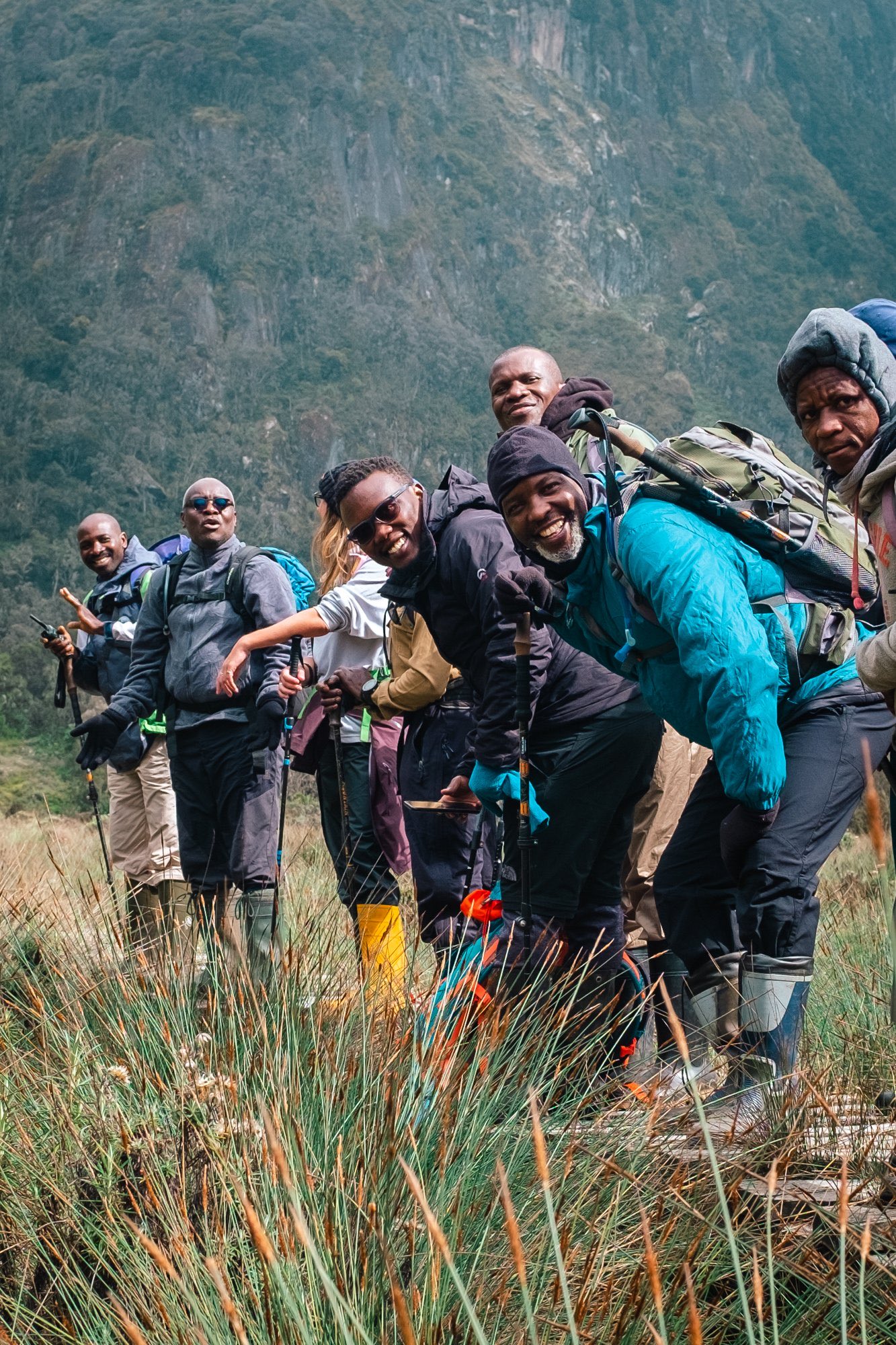
The Rwenzori Mountains are located in western Uganda, along the border with the Democratic Republic of Congo. The main gateway is Kasese town, which serves as the starting point for most trekking expeditions into the mountains.
The range is protected within Rwenzori Mountains National Park, one of Uganda’s largest and most ecologically diverse parks, covering about 1,000 square kilometers. The park is recognized as both a UNESCO World Heritage Site (1994) and a Ramsar Site (2008) due to its exceptional biodiversity, unique landscapes, and global ecological importance.
At the heart of the park rise the dramatic peaks of the Rwenzori range, including Mount Stanley, which hosts Margherita Peak (5,109m)—the third-highest point in Africa.
A Mountain Range Shaped by Time and Myth
 Unlike volcanic mountains such as Kilimanjaro or Mount Kenya, the Rwenzori Mountains were formed through the uplifting of ancient crystalline rock from the East African Rift Valley. Over millions of years, this geological process created a rugged, dramatic landscape of sharp ridges, deep valleys, and towering peaks.
The mountains have long carried a sense of mystery. As far back as around 15 AD, the Greek geographer Ptolemy described a legendary “Mountains of the Moon,” believed to be the source of the Nile’s great waters. Centuries later, this mythic identity would continue to surround the Rwenzoris.
In modern history, the mountains gained global attention in 1888, when explorer Henry Morton Stanley documented them during his African expeditions. He referred to them as “Ruwenzori,” a local term often interpreted as “Rain-Maker,” reflecting the range’s influence on regional rainfall and its role in sustaining the lush ecosystems below.
Over time, scientists, explorers, and conservationists were drawn to the mountains not only for their beauty but also for their extraordinary ecological significance. In 1991, the area was formally gazetted as a national park, and by 1994 it was declared a UNESCO World Heritage Site.
 The Rwenzori Mountains offer a trekking experience unlike anywhere else in East Africa, making them a truly exceptional destination for adventurous travelers. As you ascend through the range, the landscapes transform dramatically with altitude, taking you on a remarkable journey through multiple ecological zones within a single expedition. Trekkers begin in lush rainforest valleys filled with mist, dense vegetation, and cascading waterfalls, before moving into bamboo forests and then into surreal high-altitude terrain where giant lobelias and groundsels—plants found only in a few tropical mountain regions in the world—dominate the landscape. Higher still, the scenery becomes even more dramatic, revealing snow-capped peaks and ancient glaciers that create a striking contrast against the equatorial setting. Along the way, the mountains are home to rare and fascinating wildlife, including black-and-white colobus monkeys and the brightly colored Rwenzori turaco, adding life and movement to the wilderness. With its remote trails, minimal crowds, and untouched natural beauty, the Rwenzoris provide a sense of solitude and raw adventure that is increasingly rare, making it one of the most surreal and rewarding trekking experiences on the African continent.
Popular Hiking Routes in the Rwenzori Mountains
The Rwenzori Mountains offer several trekking routes designed to suit different fitness levels, time frames, and adventure goals. Whether you are looking for a full multi-day alpine expedition or a short nature walk in the foothills, there is an option that allows you to experience the magic of this mountain range.
1. Central Circuit Trail (Most Popular Route)
 The Central Circuit Trail is the most established and widely used trekking route in the Rwenzori Mountains. It typically takes 6 to 9 days depending on your pace, acclimatization needs, and whether you choose to summit Margherita Peak (5,109m).
The trail begins at Nyakalengija, the main park entry point, and takes trekkers deep into the heart of the mountains through a series of dramatic valleys, ridges, and high-altitude zones. Along the way, hikers pass through dense montane forests, bamboo belts, and surreal alpine vegetation zones filled with giant lobelias and moss-covered landscapes.
This route is known for offering the most complete Rwenzori experience, as it covers multiple ecological zones and provides access to glacial terrain at higher elevations. It is also the best option for those aiming to summit Margherita Peak, although the climb requires proper acclimatization and glacier trekking skills.
Overall, the Central Circuit is ideal for trekkers who want a balanced mix of scenery, challenge, and classic Rwenzori adventure.
2. Kilembe Trail
The Kilembe Trail is another popular but less crowded trekking route, typically taking 7 to 12 days depending on the itinerary and summit attempts. It starts near Kasese town, on the southern side of the Rwenzori range, and gradually climbs through some of the most scenic and less-traveled valleys in the mountains.
What makes the Kilembe Trail special is its sense of remoteness and tranquility. Compared to the Central Circuit, this route sees fewer trekkers, allowing for a quieter and more immersive wilderness experience. The trail winds through lush forests, river valleys, and steep mountain slopes, offering stunning panoramic views and frequent encounters with pristine, untouched landscapes.
Many hikers consider the Kilembe route to be more scenic and peaceful, making it a great choice for those who want a deeper connection with nature without the busier trekking traffic found on other routes.
3. Day Hikes (Foothills Experience)
For travelers who are short on time or not ready for a multi-day expedition, the Rwenzori foothills offer excellent one-day hiking options. These short hikes typically last a few hours to a full day and are designed to introduce visitors to the lower rainforest zones of the mountains.
During these hikes, you can explore lush vegetation, gentle forest trails, small waterfalls, and rich birdlife without ascending into the more challenging high-altitude regions. It’s a great way to experience the beauty of the Rwenzoris in a more relaxed and accessible setting.
Day hikes are ideal for beginners, families, or visitors who simply want a taste of the Rwenzori ecosystem without committing to a full trekking expedition.
Wildlife and Scenery
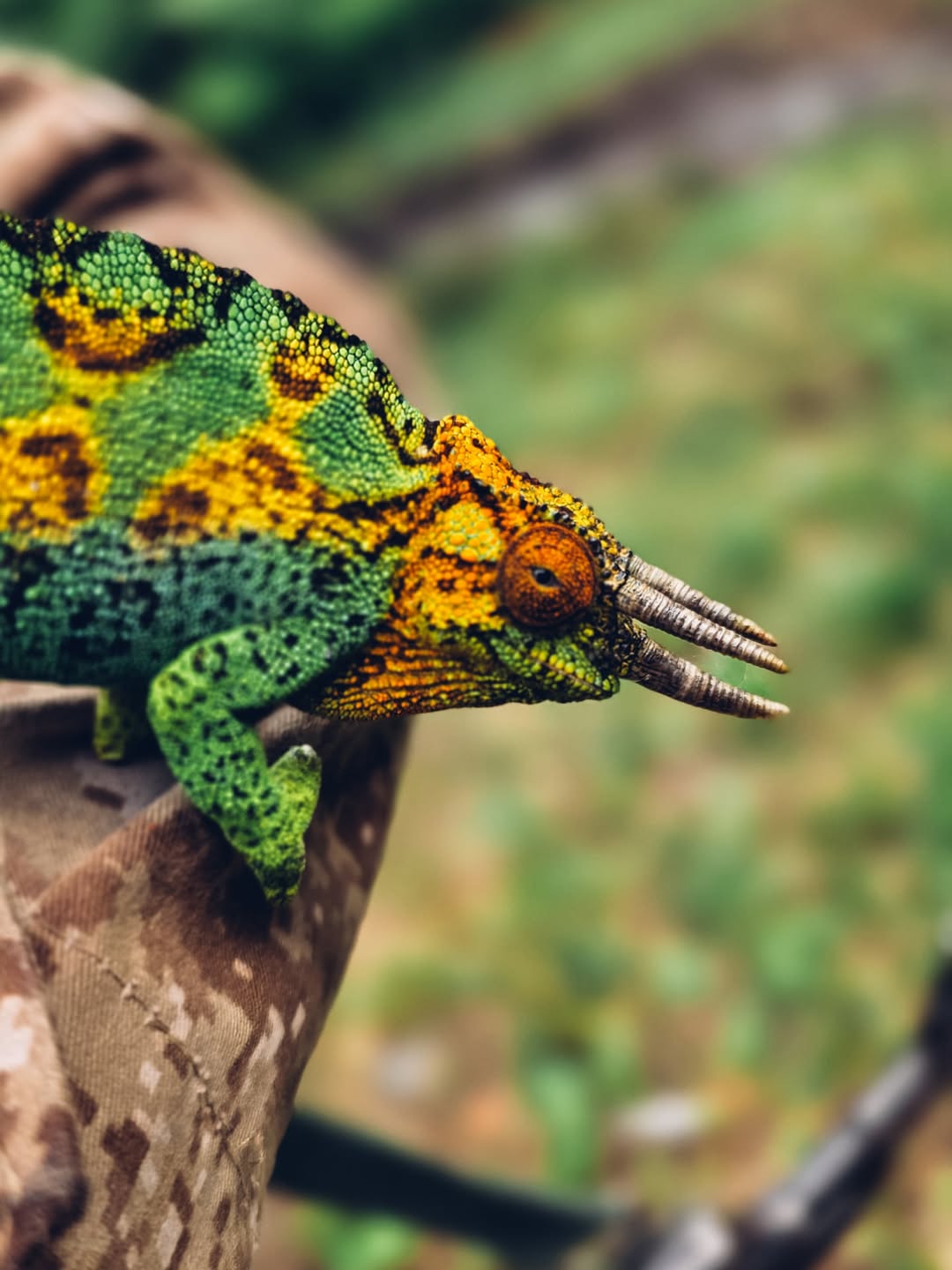 One of the most remarkable aspects of hiking the Rwenzori Mountains is the dramatic change in scenery as you move through different ecological zones. Each stage of the climb feels like entering a completely new world, starting with the lush montane forest, where dense greenery, towering trees, and the sounds of tropical birds and primates create a vibrant rainforest atmosphere. As you gain altitude, the landscape transitions into the bamboo zone, which is cooler, quieter, and often wrapped in mist, giving it a peaceful and almost mystical feel.
Higher up, you enter the surreal heather zone, where giant, moss-covered plants such as lobelias and groundsels dominate the landscape, creating an otherworldly setting unlike anything else in East Africa. At the highest elevations, the scenery becomes stark and dramatic, leading into the alpine zone, characterized by rocky terrain, icy winds, and glaciers that crown the mountain peaks.
Wildlife is also an important part of the experience, especially in the lower elevations. Trekkers may encounter blue monkeys and black-and-white colobus monkeys swinging through the forest canopy, along with the brightly colored Rwenzori turaco, one of the region’s most iconic birds. In the lower forest zones, it is also possible to spot small antelope species moving quietly through the undergrowth. Together, the rich wildlife and constantly changing scenery make the Rwenzori trek both visually stunning and deeply immersive.
 Accommodation in the Rwenzori Mountains is simple, basic, and designed to support trekkers in a remote alpine environment. It focuses on shelter and safety rather than comfort, with facilities spread along the main climbing routes at different elevations.
