
A Gorilla Trekking Company unlocking the Wonders of East Africa. At Marvel Gorilla Adventure, we aren’t just a travel company – we are passionate conservationists, storytellers, and explorers dedicated to connecting travelers with the awe-inspiring world of mountain gorillas and the wild beauty of East Africa.
The King’s Palace Museum, located in Nyanza in southern Rwanda, offers a rich and immersive journey into the country’s royal past. Once the heart of Rwanda’s monarchy, Nyanza served as the royal capital, and today the museum stands as a cultural landmark preserving the legacy of the Rwandan kings, known as Abami. Opened in 2008, the site blends traditional architecture with colonial-era influences, giving visitors a deeper understanding of how Rwanda’s monarchy evolved from the 15th century until its end in 1961.
Set on one of Nyanza’s scenic hills, the museum invites visitors into a world of history, tradition, and living culture. Beyond its historical importance, it remains a vibrant cultural space where Rwanda’s heritage is still celebrated through storytelling and traditional practices.
Rwanda’s monarchy was once a powerful and mobile institution, with kings and their courts moving across the kingdom. This changed in 1899 when King Yuhi V Musinga established a permanent royal residence in Nyanza, strengthening political authority during a time of increasing colonial pressure. Under his leadership, the royal court became a center of culture, trade, and intellectual life.
Following World War I, Belgium took control of Rwanda and later deposed King Musinga in 1931, replacing him with his son, King Mutara III Rudahigwa. His reign marked significant cultural and political shifts, including the country’s conversion to Christianity. After his death in 1959, King Kigeli V Ndahindurwa briefly ruled before the monarchy was abolished in 1961. Today, the museum stands as a lasting reminder of this important chapter in Rwanda’s history.
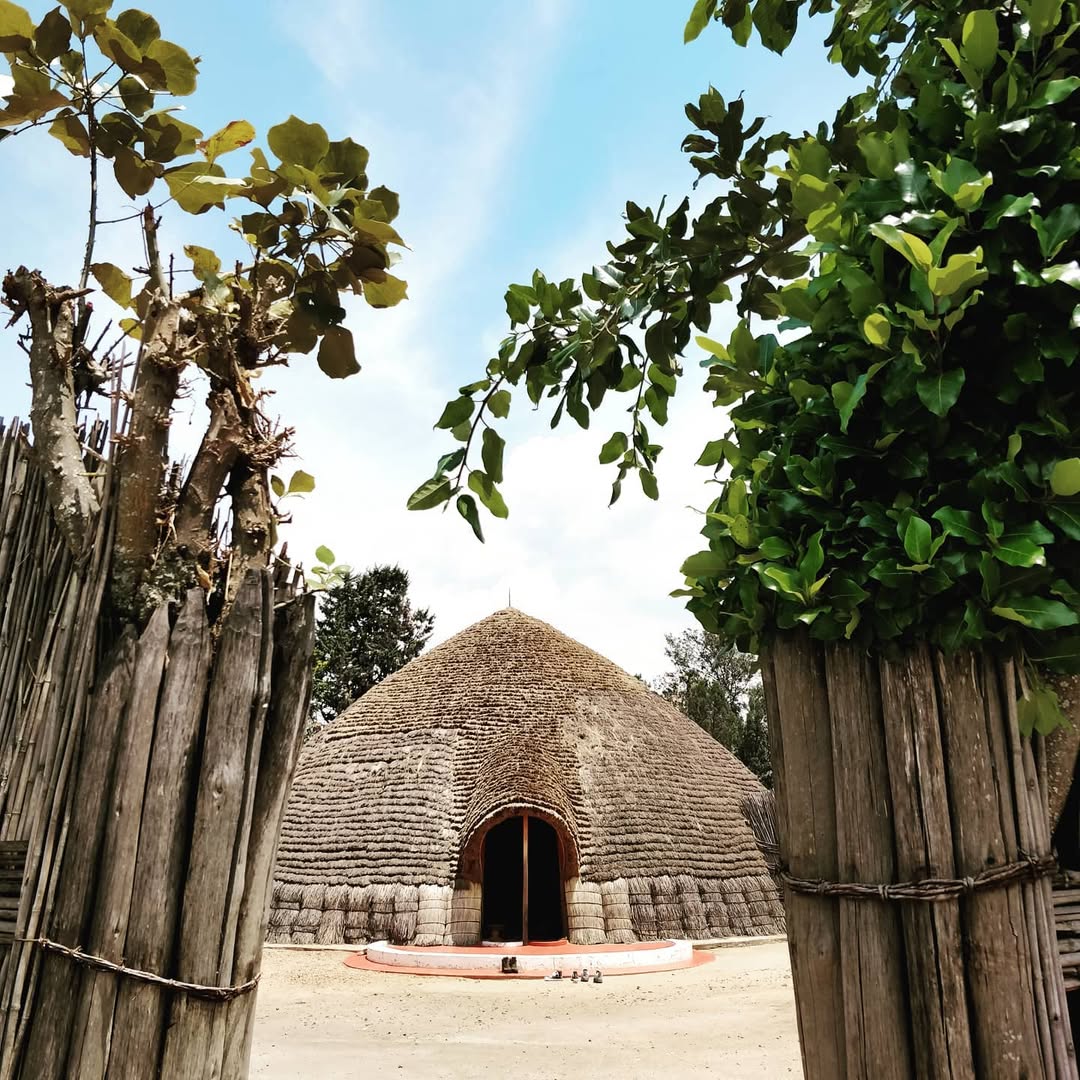 One of the most striking features of the museum is the reconstructed traditional palace. Built entirely using indigenous materials and techniques, this thatched structure is designed in a beehive shape, symbolizing unity and continuity. It reflects the style of royal residences from the late 19th century and offers a vivid picture of life at the royal court.
Surrounding the main palace are smaller huts that once served specific functions, such as milk preparation and brewing sorghum beer—important elements of royal rituals. Walking through this section allows visitors to fully experience the organization and daily life of the traditional monarchy.
In contrast to the traditional structure, the nearby modern palace built in 1932 for King Mutara III Rudahigwa reflects European architectural influence. This Art Deco residence marks a shift in Rwanda’s history during the colonial era. The interior has been preserved to reflect royal life of the time, with displays of photographs, artifacts, and furnishings that tell the story of Rwanda’s transition into a modern state.
Though photography inside is restricted, the experience offers an intimate and reflective look into a more recent period of royal history.
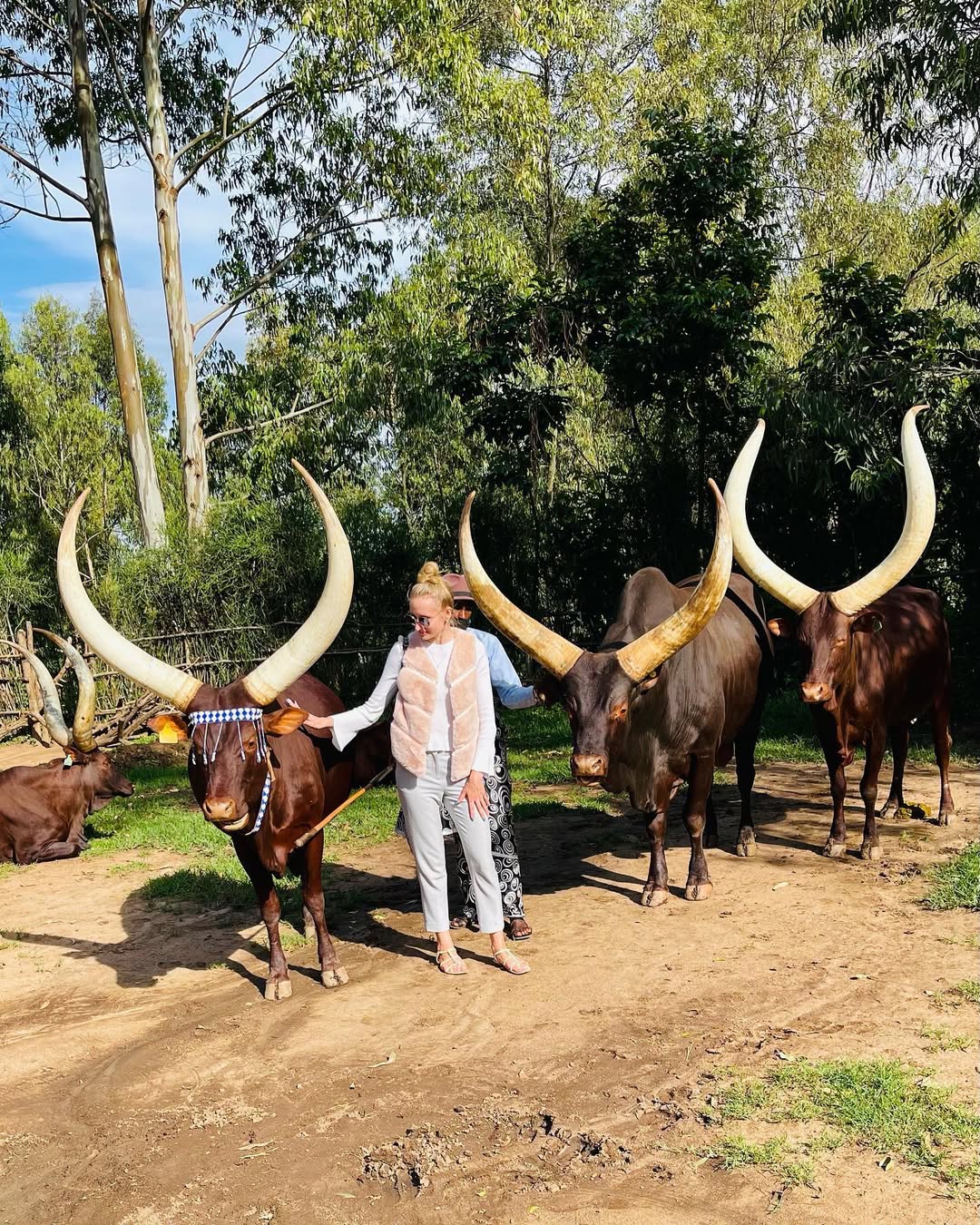 A visit to the museum would not be complete without seeing the famous Inyambo cattle. Known for their long, elegant horns, these cows are deeply rooted in Rwanda’s cultural identity and were traditionally associated with royalty. Carefully bred and maintained, they are still treated with great respect and care.
Visitors can witness a unique tradition where handlers sing to the cattle—an age-old practice that reflects the deep bond between people and livestock in Rwandan culture. This experience adds a living, dynamic element to the museum.
The King’s Palace Museum is more than a historical site—it is a symbol of Rwanda’s identity and resilience. It preserves traditions, values, and leadership structures that shaped the nation for centuries. Through its architecture, artifacts, and cultural practices, the museum offers meaningful insight into Rwanda’s heritage and the evolution of its society.
Exploring the museum is both educational and engaging. Guided tours are highly recommended, as they provide deeper context and stories behind each section of the site. The calm, well-maintained surroundings make it easy to explore at a relaxed pace while taking in the historical and cultural richness.
Visiting the King’s Palace Museum is a unique opportunity to step into Rwanda’s royal past and experience its traditions firsthand. From the iconic thatched palace to the elegant Inyambo cattle and the colonial-era residence, every part of the museum tells a story. It is an essential stop for travelers interested in history, culture, and understanding the roots of modern Rwanda.
WhatsApp us


