
A Gorilla Trekking Company unlocking the Wonders of East Africa. At Marvel Gorilla Adventure, we aren’t just a travel company – we are passionate conservationists, storytellers, and explorers dedicated to connecting travelers with the awe-inspiring world of mountain gorillas and the wild beauty of East Africa.
Located in the western region of Uganda within Queen Elizabeth National Park, Lake Katwe is one of the country’s most unique and historically significant lakes. Unlike the freshwater lakes Uganda is famous for, Lake Katwe is a saline lake, known for its centuries-old salt mining tradition. It sits near the foothills of the Rwenzori Mountains, surrounded by flat landscapes, volcanic craters, and rural communities that have depended on the lake for generations.
Lake Katwe has been a source of salt for hundreds of years, dating back to traditional kingdoms in the region. The salt extracted here has long been used for food preservation, trade, and livestock feeding. Even today, local communities continue to harvest salt using traditional methods that have been passed down through generations.
The lake’s salty nature is due to the evaporation of water over time, leaving behind concentrated salt deposits. This process creates a shallow, mineral-rich environment that supports salt production but not fish or typical freshwater life.
One of the most fascinating aspects of Lake Katwe is the traditional salt mining process. Local miners, often working in family groups, use manual tools to extract salt from shallow pools and clay beds along the lake’s edges. The process is labor-intensive and highly skilled, involving careful evaporation and crystallization.
Visitors can observe miners at work, learning about this age-old practice and the role it plays in supporting local livelihoods. It’s a rare opportunity to witness a living tradition that continues to sustain entire communities.
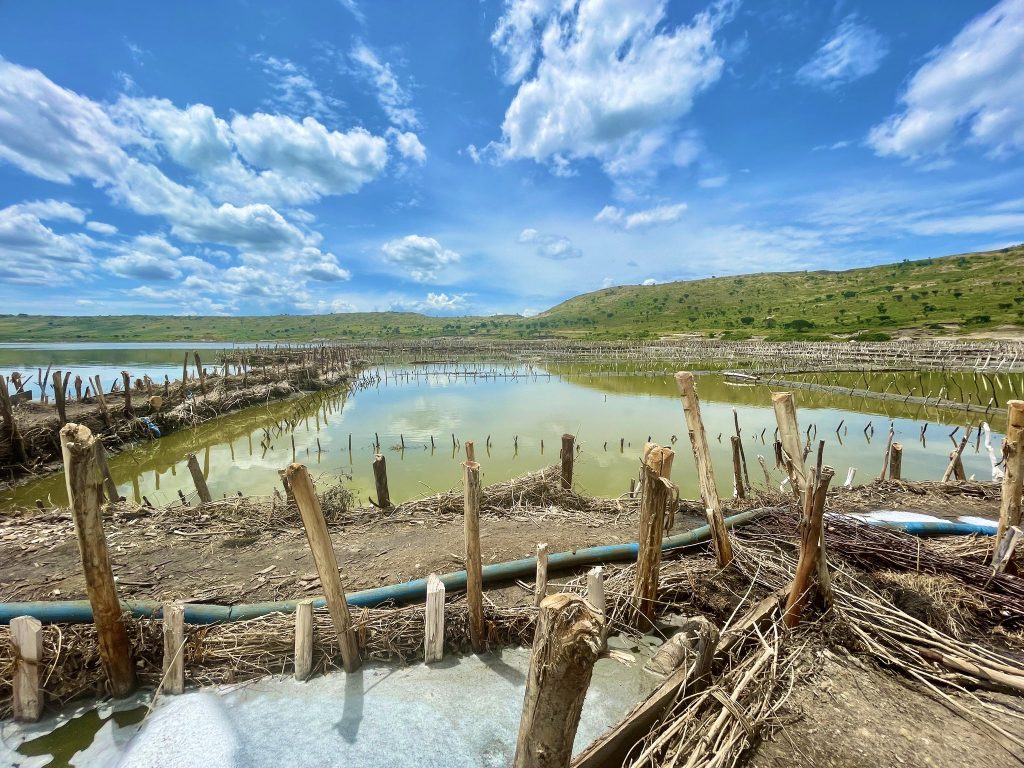
Lake Katwe is surrounded by a striking landscape of crater lakes, volcanic features, and open plains. Its proximity to the crater-dotted region of Queen Elizabeth National Park adds to its geological and scenic appeal. The lake itself is shallow and reflective, often appearing white or pinkish due to the salt concentration.
The surrounding area is home to traditional villages, where life revolves around salt mining, small-scale farming, and trade. This creates a fascinating contrast between the natural environment and human activity.
While Lake Katwe itself is not a wildlife hotspot due to its high salinity, its location within the wider Queen Elizabeth National Park ecosystem makes it an excellent base for exploring some of Uganda’s richest wildlife areas. Just a short drive away, the park opens up a world of incredible biodiversity, scenic landscapes, and unforgettable safari experiences.
One of the top attractions nearby is the Kazinga Channel, a natural waterway connecting Lake Edward and Lake George. This channel is famous for its dense concentration of wildlife, especially large pods of hippos and sunbathing Nile crocodiles along the shores. Boat cruises along the channel offer close-up views of these animals, along with elephants coming to drink, buffalo grazing near the water, and a remarkable variety of waterbirds. It is also one of the best places in East Africa for birdwatching, with species such as African fish eagles, kingfishers, herons, and pelicans commonly seen.
For those interested in land-based wildlife, game drives in Queen Elizabeth National Park provide opportunities to see a wide range of iconic African animals. The park is home to elephants, lions, leopards, buffaloes, and various antelope species, including Uganda kob, which are often seen grazing in open savannah areas. The Ishasha sector, located in the southern part of the park, is especially famous for its tree-climbing lions, a rare and fascinating behavior that attracts visitors from around the world.
Birdwatchers will find Queen Elizabeth National Park particularly rewarding, as it boasts over 600 bird species, making it one of the most diverse birding destinations in Africa. From the wetlands to savannah plains, different habitats support a wide variety of birds, making every game drive or boat cruise an opportunity to spot something new.
This proximity to such rich wildlife experiences makes Lake Katwe more than just a cultural destination—it becomes part of a larger adventure. Visitors can combine a visit to the salt lake with safari activities, creating a well-rounded itinerary that blends culture, wildlife, and nature in one of Uganda’s most spectacular regions.
Visiting Lake Katwe offers a deep and meaningful cultural experience, where you can connect with the local communities whose lives are closely tied to the lake. One of the highlights is learning about traditional salt harvesting techniques, where locals demonstrate how salt is carefully extracted from shallow ponds using age-old methods passed down through generations.
You can also spend time interacting with local miners and traders, gaining insight into their daily routines, challenges, and the importance of salt as a source of income. A walk through nearby villages and local markets reveals a vibrant community life, where salt is traded alongside other goods.
These experiences provide a genuine understanding of how Lake Katwe supports livelihoods and remains an important part of the region’s cultural and economic identity, offering visitors an authentic and eye-opening perspective.
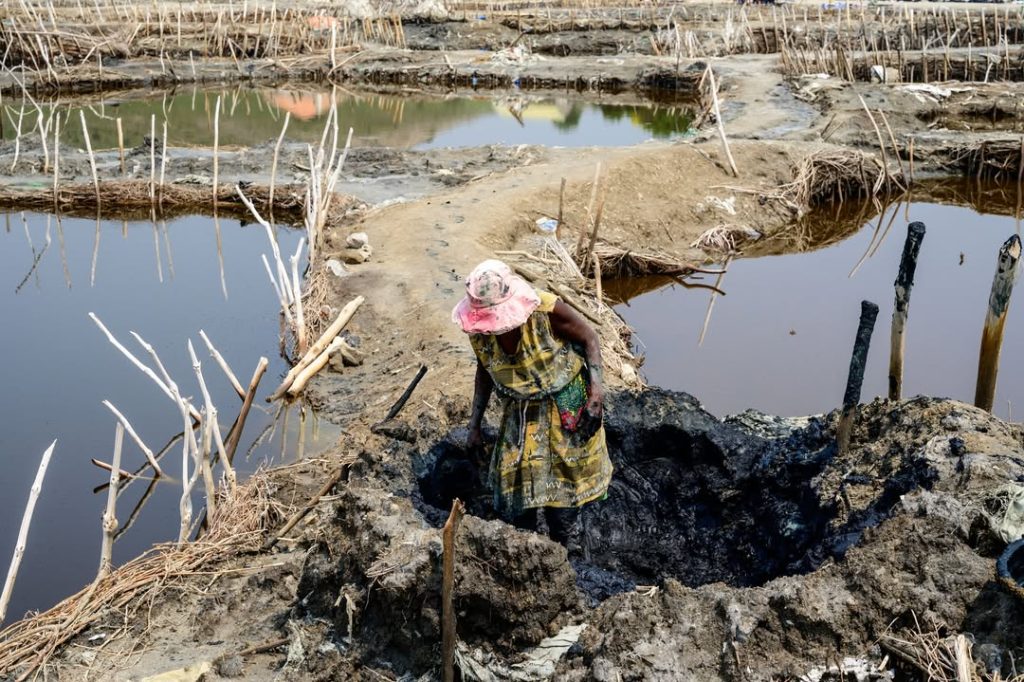
One of the most unique activities at Lake Katwe is joining a guided salt mining tour. Visitors can observe how local miners work in shallow salt pans, collecting and processing salt using traditional tools and techniques. These tours offer a rare opportunity to witness a centuries-old practice still in use today, while learning about the hard work and skill involved in salt production.
A visit to Lake Katwe is incomplete without exploring the surrounding communities. Guided village visits allow you to interact with local residents, learn about their way of life, and understand how they depend on the lake. You may also have the chance to visit homes, schools, or markets, and experience traditional customs, food, and storytelling.
Lake Katwe offers incredible photography opportunities, thanks to its unique landscapes. The shimmering salt flats, colorful salt pans, and traditional mining scenes create striking visual contrasts. Early morning and late afternoon provide the best lighting for capturing the textures and colors of the lake, as well as candid moments of daily life.
Lake Katwe is located within easy reach of Queen Elizabeth National Park, making it ideal to combine with a safari experience. Visitors can enjoy game drives to spot elephants, lions, and buffalo, or take a boat cruise along the Kazinga Channel to see hippos and crocodiles up close. This combination of culture and wildlife makes the area especially rewarding for travelers.
The region around Lake Katwe is dotted with volcanic crater lakes, formed by ancient volcanic activity. These scenic lakes offer beautiful viewpoints, hiking opportunities, and peaceful picnic spots. Exploring these formations gives visitors a deeper appreciation of the region’s geological history while enjoying panoramic views of the surrounding landscape.
Lake Katwe is easily accessible from Kasese town, located about 30–40 minutes away by road. It can also be reached from other parts of Queen Elizabeth National Park as part of a safari itinerary. The roads leading to the lake are generally passable, though conditions can vary depending on the season.
Lake Katwe can be visited year-round, but the dry seasons (June to September and December to February) are the best times. During these months, travel is easier, and you can comfortably explore the salt flats and surrounding areas.
Lake Katwe offers something truly different from Uganda’s more famous tourist destinations. It is a place where history, culture, and natural processes come together in a powerful way. The lake provides insight into traditional livelihoods that have sustained communities for generations, while also offering a gateway to the wildlife-rich landscapes of Queen Elizabeth National Park.
WhatsApp us


