Chimpanzee Trekking Guide in Kibale National Park
Chimpanzee Trekking Kibale Guide
Kibale National Park, located in western Uganda, is one of the best places in Africa to see chimpanzees in the wild. Often referred to as the “Primate Capital of the World,” this lush tropical rainforest spans about 795 square kilometers and is home to over 13 species of primates, including chimpanzees, red colobus monkeys, black-and-white colobus monkeys, L’Hoest’s monkeys, and grey-cheeked mangabeys.
With its rich mix of tropical forest, grasslands, and wetlands, Kibale also supports a wide range of wildlife, including forest elephants, buffaloes, and more than 375 bird species. Thanks to its high success rate of chimpanzee sightings, the park offers one of the most rewarding and accessible trekking experiences in East Africa, making it a must-visit destination for both first-time travelers and seasoned safari-goers
Chimpanzee Trekking Experience
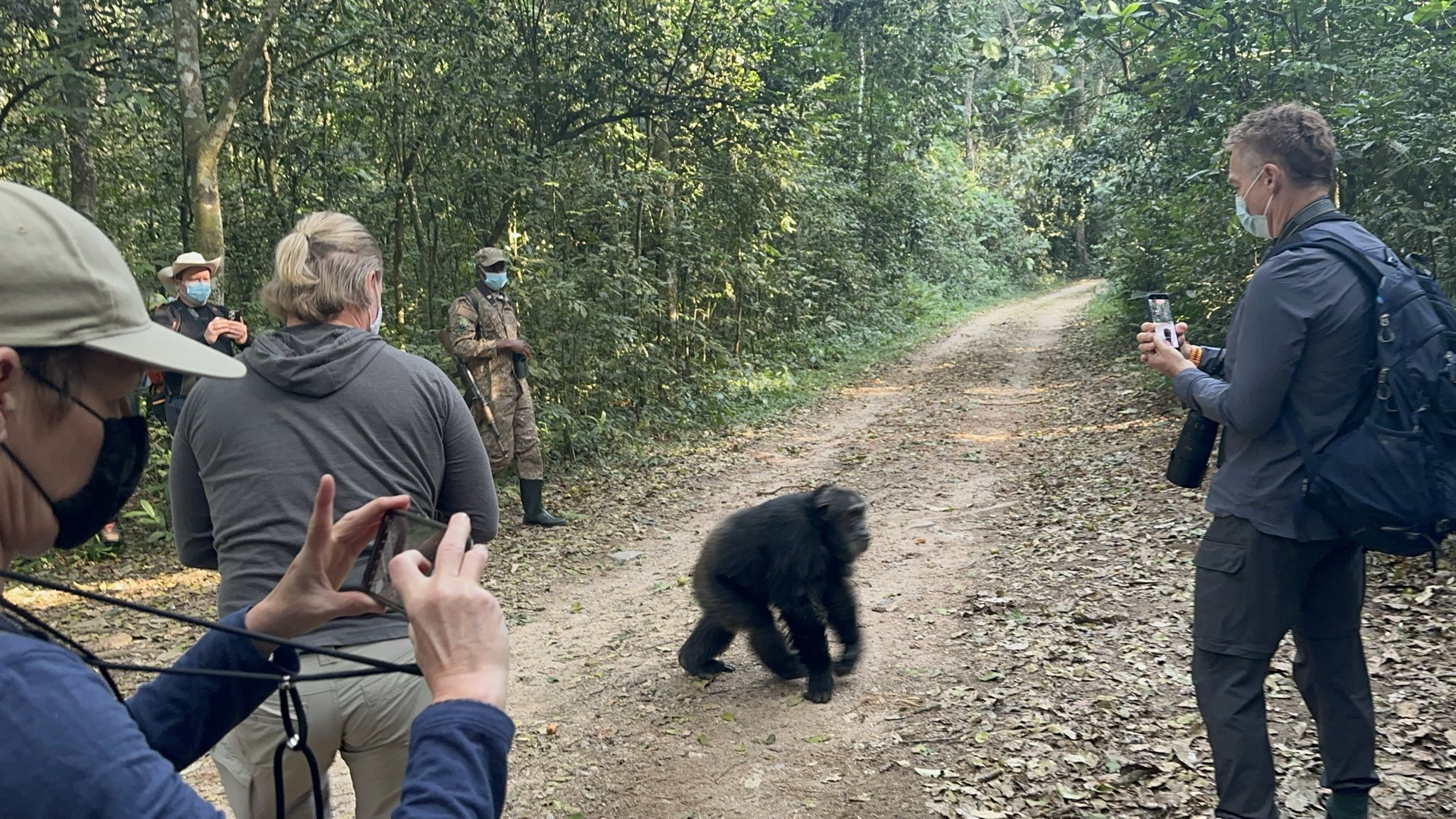
Chimpanzee trekking in Kibale National Park is one of the most exciting wildlife experiences in Uganda. The activity begins early in the morning with a briefing at the park headquarters, where guides provide important information about safety, trekking guidelines, and what to expect in the forest.
After the briefing, you’ll head into the dense rainforest with experienced rangers in search of habituated chimpanzee groups. Kibale is home to the highest population of chimpanzees in Uganda, with several habituated communities available for trekking and research experiences.
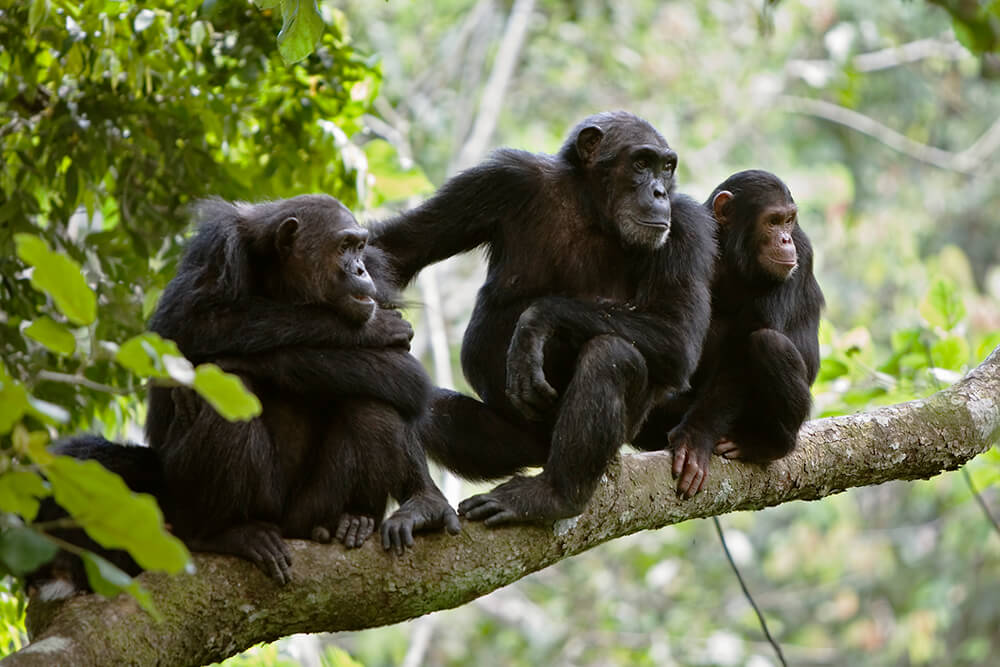
Chimpanzees are our closest relatives, sharing over 98% of human DNA. They are highly intelligent and social animals, living in groups led by a dominant male. During the trek, guides help you track them by listening for their calls and identifying signs such as nests, footprints, and feeding remains.
The trek can take anywhere from 2 to 4 hours, depending on the movement of the chimpanzees, as they are constantly on the move through the forest. Once you find them, you are allowed to spend one hour in their presence.
This is the most rewarding part of the experience—watching chimpanzees feed, groom, play, and communicate with each other in their natural habitat. Their human-like behavior and interactions make the encounter both fascinating and unforgettable.
After the experience, you’ll return to the starting point, often with a deeper appreciation for these incredible primates and the forest they call home.
Chimpanzee Habituation Experience
For a more immersive and in-depth adventure, Kibale National Park offers the chimpanzee habituation experience. This unique activity allows visitors to spend extended time in the forest with researchers and guides, following chimpanzees as they gradually get used to human presence.
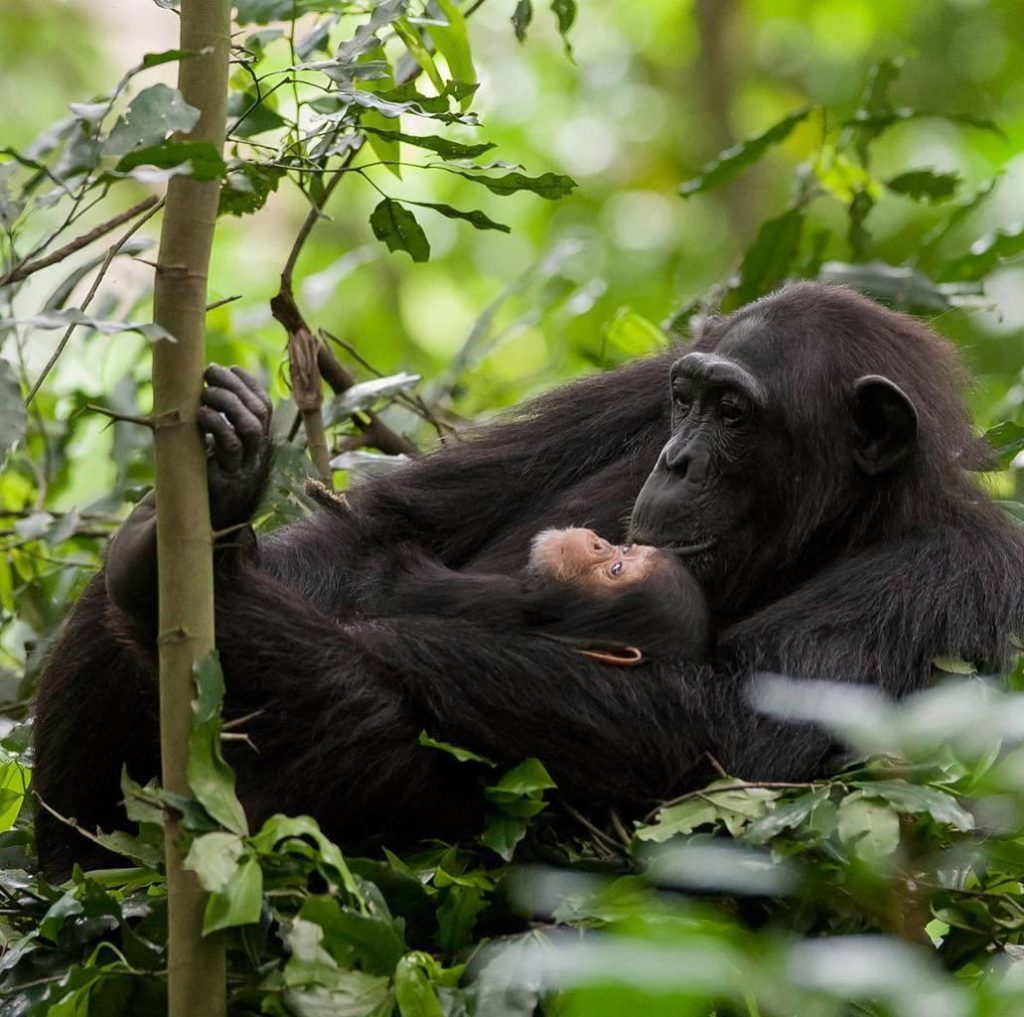
Just like standard trekking, the experience begins with a briefing at the park headquarters before heading into the forest early in the morning. However, unlike regular trekking where you spend only one hour with the chimpanzees, the habituation experience allows up to 4 hours in their presence.
During this time, you get a behind-the-scenes look at the chimpanzees’ daily routines. You may observe them building nests, feeding, grooming, playing, and interacting within their groups. Guides and researchers also share deeper insights into chimpanzee behavior, social structures, and ongoing conservation efforts.
This experience is ideal for travelers who want a more detailed and educational encounter, especially those interested in primates and wildlife research. Because only a limited number of permits are issued each day, it is highly recommended to book in advance.
What to Expect During Trekking
Chimpanzee trekking in Kibale National Park is both exciting and physically engaging. The experience involves a moderate hike through dense tropical forest, often along muddy and uneven trails, especially during the rainy season. Wearing sturdy hiking shoes and comfortable, long-sleeved clothing is highly recommended to handle the terrain and protect against vegetation.
Before the trek, you must obtain a chimpanzee trekking or habituation permit from the Uganda Wildlife Authority, either directly or through a licensed tour operator. The activity begins with a briefing at the park headquarters, where you’ll be guided on safety rules and what to expect during the trek.
You will then enter the forest with experienced ranger guides who are highly knowledgeable about the park and chimpanzee behavior. Some of these guides are involved in the habituation process and closely track chimpanzee movements, increasing your chances of finding them.
As you move through the forest, you may hear chimpanzee calls echoing in the distance before you see them, which adds to the excitement of the search. Once you find them, rangers will guide you on proper behavior—maintaining a safe distance, keeping noise to a minimum, and strictly avoiding feeding or touching the animals.
The trek can take between 2 to 4 hours depending on the location of the chimpanzees, but the experience of observing them in their natural habitat makes it truly worthwhile.
Permits and Costs
Chimpanzee trekking in Kibale National Park requires a permit issued by the Uganda Wildlife Authority (UWA). These permits are mandatory for both trekking and habituation experiences and should be booked in advance, especially during peak travel seasons.
A chimpanzee trekking permit costs approximately $200 per person, while the chimpanzee habituation experience costs around $250 per person. These prices may vary depending on residency status and any updates from the Uganda Wildlife Authority.
Because permits are limited and in high demand, it is recommended to book early through a trusted tour operator or directly with UWA to secure your spot.
Other Activities in Kibale Forest National Park
Birdwatching
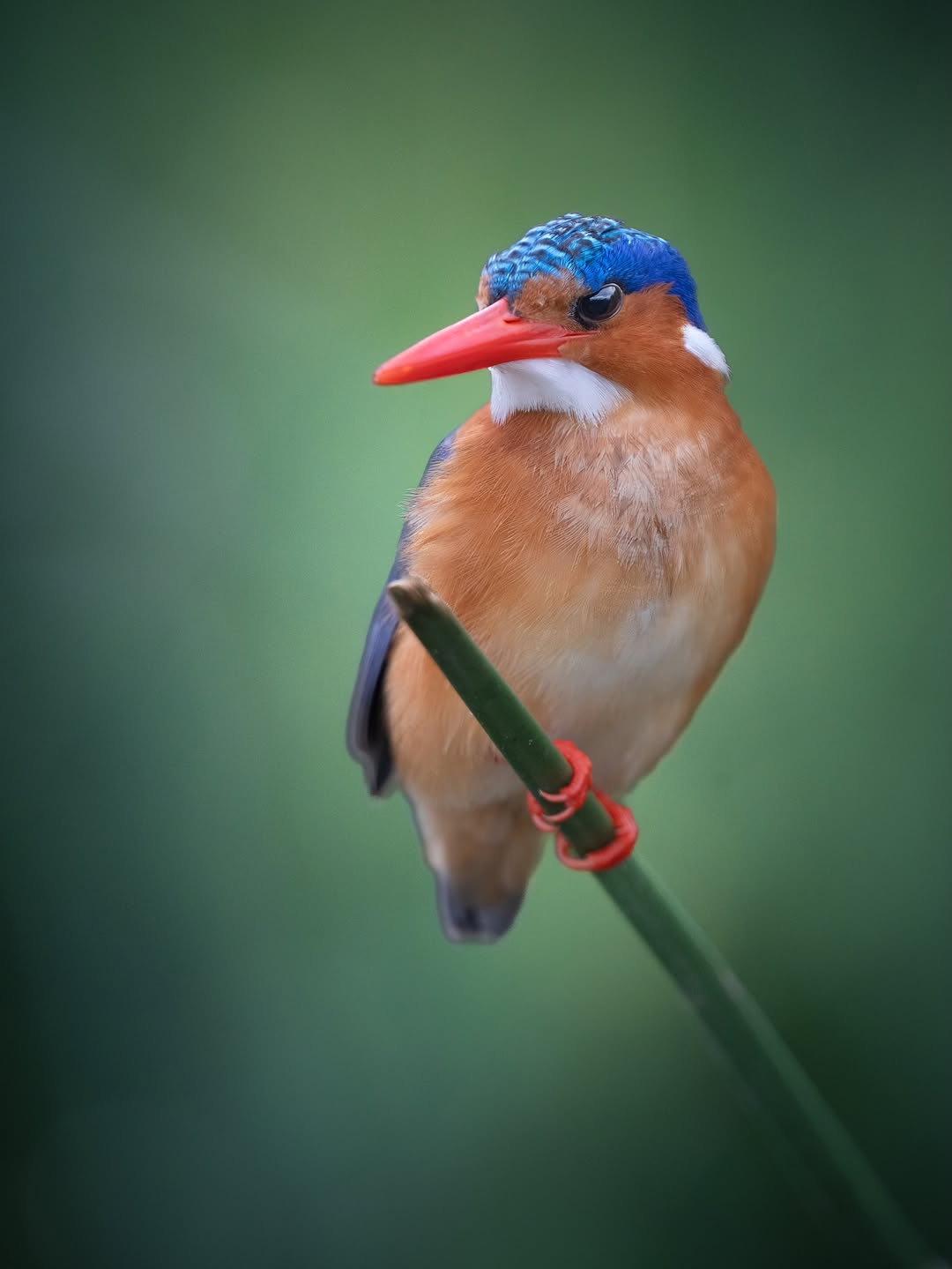
Kibale Forest is one of the best birding destinations in Uganda, with over 300 recorded species. Birdwatchers can explore different forest layers and open areas in search of colorful and rare species such as the Great Blue Turaco, purple-headed starling, and Western Nicator. Guided birding tours are highly recommended because expert guides help identify species by both sight and sound.
Day Nature Walks
Day nature walks offer a relaxed way to explore Kibale’s rainforest beyond chimpanzee trekking. These walks focus on the forest’s smaller details, including unique plants, butterflies, insects, and other primates that live in the canopy. It is a great option for visitors who want to enjoy the scenery at a slower pace while learning about the forest ecosystem.
Night Nature Walks
Night walks in Kibale provide a completely different experience of the forest. As darkness falls, the forest becomes active with nocturnal wildlife. Visitors may encounter bush babies, nightjars, and other small mammals that are rarely seen during the day. Walking with a guide ensures safety and increases the chances of spotting these hidden creatures.
Bigodi Wetland Sanctuary Visit
Located just outside Kibale National Park, Bigodi Wetland Sanctuary is a community-managed conservation area known for its rich biodiversity. It is especially popular for primate viewing, including black-and-white colobus monkeys and red-tailed monkeys. The wetland is also a hotspot for birdwatching and offers a scenic guided walk through swamp and forest-edge habitats.
Cultural Community Tours
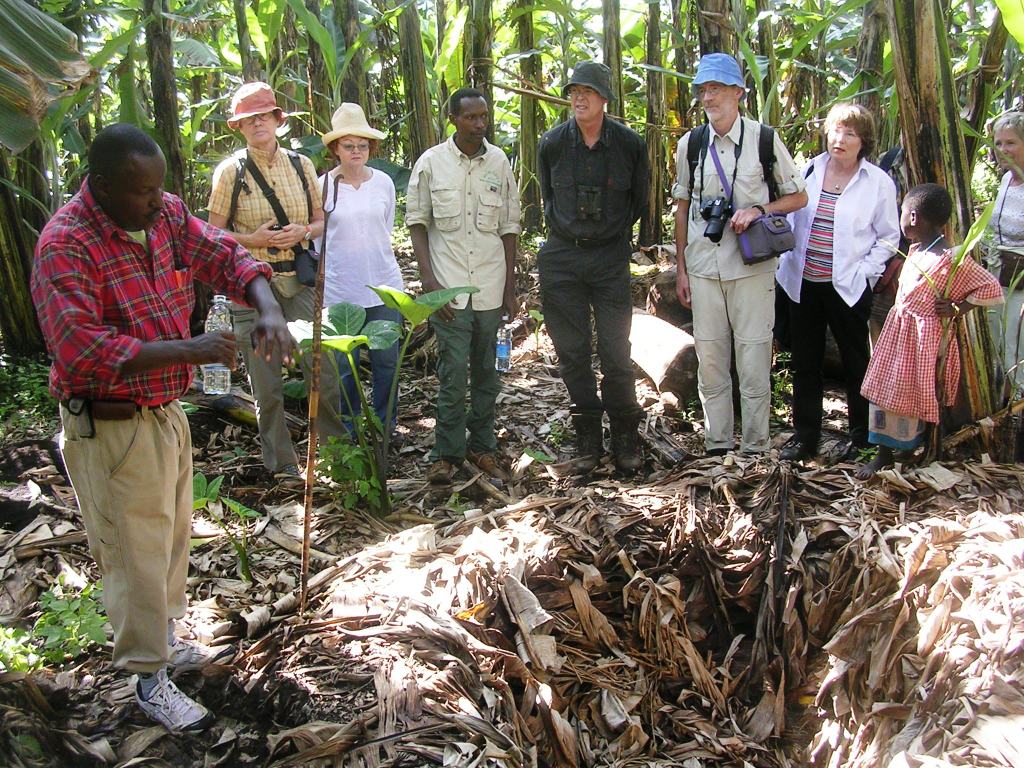
Visitors to Kibale can also enjoy cultural experiences in nearby communities. These tours offer insight into local traditions, lifestyle, and daily activities. Travelers can interact with residents, learn about farming practices, traditional crafts, and local storytelling, making the safari experience more meaningful and cultural.
Best Time to Visit Kibale
The best time to visit Kibale National Park for chimpanzee trekking is during the dry seasons, when forest trails are more accessible and wildlife viewing is easier.
The dry months run from June to September and December to February. During this time, there is less rainfall, making the forest paths less muddy and easier to navigate. Chimpanzees are also easier to track as they tend to gather around food sources and move within more predictable ranges.
The wet seasons, from March to May and October to November, bring heavier rainfall. While trekking can be more challenging due to slippery trails, this period offers a greener, more lush forest environment and fewer visitors, creating a quieter experience.
Overall, both seasons offer unique advantages, but the dry season is generally preferred for easier trekking conditions and higher chances of successful chimpanzee sightings.
How to Get to Kibale National Park
By Road:
Kibale is about a 5–6 hour drive from Kampala or Entebbe. The journey takes you through scenic countryside, tea plantations, and small towns.
By Air:
Domestic flights are available from Entebbe to Kasese airstrip, followed by a road transfer to the park.
Where to Stay in Kibale National Park
Kibale Forest offers a wide range of accommodation options, from luxury lodges with stunning crater lake views to simple budget guesthouses close to the forest. Staying near the Kanyanchu Visitor Center is highly recommended for easy access to chimpanzee trekking activities.
Luxury Lodges
Kyaninga Lodge
Kyaninga Lodge is one of the most luxurious stays near Kibale, set on the edge of a dramatic crater lake. The lodge offers beautifully crafted wooden cottages with private decks overlooking the lake and surrounding hills. It is known for its peaceful atmosphere, excellent service, and breathtaking views, making it ideal for travelers seeking comfort and exclusivity.
Ndali Lodge
Ndali Lodge is a classic eco-luxury lodge located on a working tea and coffee estate overlooking the Ndali-Kasenda crater lakes. It offers spacious cottages with stunning panoramic views of the volcanic landscape. The lodge provides a calm, authentic safari experience with great food, warm hospitality, and easy access to Kibale Forest.
Mid-Range Options
Turaco Treetops
Turaco Treetops is a comfortable mid-range lodge set in a forested environment close to Kibale National Park. The lodge features spacious rooms, modern amenities, and a relaxed atmosphere. It is a great choice for travelers looking for comfort without the high luxury price tag.
Kibale Forest Camp
Kibale Forest Camp offers a rustic yet comfortable tented experience close to the forest edge. Guests stay in permanent safari tents with en-suite facilities, surrounded by nature. The camp provides a true jungle feel and is perfect for travelers who want to stay close to wildlife sounds and forest life.
Budget Options
Chimpanzee Forest Guesthouse
This is one of the most popular budget options near Kibale. It offers simple but clean rooms and cottages with a friendly, relaxed atmosphere. Its location near the park makes it ideal for early morning chimpanzee trekking.
Community Campsites
For budget travelers and adventure seekers, community campsites offer basic facilities and an authentic local experience. These sites provide a chance to connect with the surrounding communities while staying close to nature.
Travel Tips for Chimpanzee Trekking
- Wear sturdy hiking boots for forest trails
Choose strong, waterproof hiking boots with good grip because Kibale’s forest trails can be muddy, slippery, and uneven, especially after rain. Proper footwear will help you move safely and comfortably through the forest. - Carry a rain jacket, as weather can change quickly
Kibale is a tropical rainforest, so sudden rain showers are common even during the dry season. A lightweight rain jacket will keep you dry and comfortable without adding too much weight to your backpack. - Bring insect repellent and sunscreen
The forest environment has mosquitoes and other insects, so insect repellent is essential. Sunscreen is also important for exposed areas during the walk to and from the forest, especially when the sun is strong. - Keep a safe distance from the chimpanzees
Always maintain the recommended distance from chimpanzees to ensure your safety and theirs. They are wild animals and can behave unpredictably if they feel threatened or stressed. - Follow your guide’s instructions at all times
Your ranger guide is experienced in chimpanzee behavior and forest navigation. Listening carefully and following instructions helps ensure a safe, respectful, and successful trekking experience. - Carry enough water and snacks for the trek
Trekking can take several hours depending on the location of the chimpanzees. Carry enough drinking water to stay hydrated and light snacks to keep your energy up during the hike.
FAQs About Chimpanzee Trekking in Kibale
How difficult is chimpanzee trekking in Kibale?
The trek is moderately challenging and involves walking through forest terrain, but it is manageable for most people with average fitness.
What is the age limit for chimpanzee trekking?
The minimum age is 12 years.
How long does the trekking experience last?
The entire activity can take 2 to 4 hours, depending on how quickly chimpanzees are located.
What should I wear for chimp trekking?
Wear long trousers, a long-sleeved shirt, sturdy hiking boots, and a hat for protection.
Can I take photos during the trek?
Yes, photography is allowed, but flash photography is not permitted.
Is chimpanzee trekking safe?
Yes, it is safe when guided by trained rangers. Visitors must follow all safety guidelines.
What other primates can I see in Kibale?
You may see colobus monkeys, red-tailed monkeys, vervet monkeys, and grey-cheeked mangabeys.
Can Kibale be combined with other destinations?
Yes, it is often combined with Queen Elizabeth National Park, Semuliki, or Bwindi for a complete Uganda safari.
Conclusion
Chimpanzee trekking in Kibale National Park is a unique and enriching experience that brings you face-to-face with one of our closest relatives in the wild. It’s a must-do activity for anyone visiting Uganda and a highlight of any East African safari.