


Uganda Ebola Outbreak and the Tourism Sector: Comprehensive Travel Guide (2026)
Uganda Ebola Tourism Impact
The current Uganda Ebola outbreak has become one of the most closely monitored public health situations in East Africa. Following the World Health Organization’s declaration of a Public Health Emergency of International Concern (PHEIC) on May 17, 2026, global attention has increasingly focused on Uganda, the Democratic Republic of the Congo (DRC), and neighboring countries.
Governments, airlines, tourism operators, healthcare agencies, and travelers are carefully evaluating the risks associated with travel and regional movement during this evolving situation. While concerns surrounding Ebola naturally create anxiety among international visitors, understanding the actual situation on the ground is essential for making informed travel decisions.
Uganda remains one of Africa’s leading tourism destinations, famous for gorilla trekking, wildlife safaris, mountain adventures, birdwatching, and cultural experiences. Although the Uganda Ebola outbreak has affected travel confidence and regional transportation, most tourism destinations continue operating with enhanced health and safety measures.
Understanding the Current Uganda Ebola Outbreak
The Uganda Ebola outbreak currently involves the Bundibugyo Ebola virus strain, a rare strain for which there is currently no fully approved vaccine or specialized antiviral treatment. This has raised concern among international health organizations because vaccination campaigns that helped contain previous outbreaks are not yet available for this strain.
Uganda has officially confirmed a limited number of infections linked to the outbreak, including cases connected to travel from the DRC’s Ituri Province, which remains the main epicenter of infections. Health authorities have also identified additional cases through extensive contact tracing involving people who interacted with infected individuals, including healthcare workers and transport personnel.
Encouragingly, containment efforts appear to be helping reduce new transmissions, with health officials closely monitoring all suspected contacts and affected areas.
Ebola spreads through direct contact with infected bodily fluids such as blood, saliva, vomit, sweat, urine, or contaminated materials. Unlike airborne diseases such as influenza or COVID-19, Ebola is not transmitted through casual interaction or simply being in the same country as infected individuals.
Uganda’s Response to the Ebola Outbreak
Uganda has built a strong reputation across Africa for its ability to respond quickly and effectively to Ebola outbreaks. Having managed multiple outbreaks over the past two decades, the country has developed experienced emergency response teams, surveillance systems, laboratory capacity, and public health coordination mechanisms designed to contain infections before they spread widely.
Immediately after the current Uganda Ebola outbreak was confirmed, the Ministry of Health activated national emergency response protocols in collaboration with the World Health Organization (WHO), district health authorities, border security agencies, and international health partners. Emergency operation centers were reopened, rapid response teams were deployed to affected regions, and healthcare facilities were placed on high alert.
One of the most important tools being used to manage the Uganda Ebola outbreak is rapid contact tracing. Health officials are actively identifying and monitoring every individual who may have interacted with confirmed Ebola patients. This process includes tracing family members, transport operators, hotel workers, healthcare personnel, market vendors, and travelers who may have come into close contact with infected individuals. Those identified as high-risk contacts are monitored daily for symptoms during the 21-day incubation period.
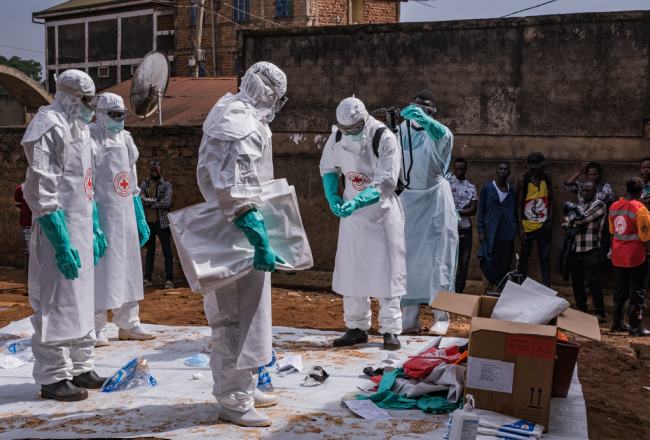
Isolation and treatment centers have also been strengthened in strategic districts to ensure suspected cases are identified and separated quickly from the general population. Specialized healthcare workers equipped with protective gear are managing these facilities while laboratories conduct testing to confirm or rule out infections. Uganda’s previous Ebola experience has helped the country establish trained medical teams familiar with outbreak containment procedures.
Border health screening measures have intensified significantly, particularly in western Uganda near the Democratic Republic of the Congo (DRC). Health officials are conducting temperature checks, symptom screening, travel history assessments, and health monitoring at border posts, airports, and key transit points. Travelers entering or leaving high-risk areas may face additional health questioning and screening procedures.
Public awareness campaigns have expanded nationwide through radio stations, television broadcasts, social media platforms, schools, religious institutions, and local community meetings. Authorities are working to combat misinformation while educating the public about Ebola symptoms, transmission methods, and preventive practices. Community engagement remains critical because early reporting of symptoms can help prevent wider transmission.
Enhanced surveillance operations continue across high-risk districts, especially in western Uganda where cross-border trade and population movement are common. Healthcare workers have been instructed to immediately report any unusual illnesses or suspected Ebola symptoms. Mobile health teams are also conducting field investigations in vulnerable communities.
Religious leaders, cultural leaders, village health teams, and local organizations are playing an important role in community education. These trusted community figures are helping encourage cooperation with health officials while discouraging risky practices such as hiding sick family members or participating in unsafe burial practices.
Western Uganda and districts bordering the DRC remain under especially strict monitoring due to the high volume of cross-border movement involving traders, transport workers, and local residents. Authorities continue emphasizing that aggressive early containment is essential to preventing wider national or regional spread.
Border Restrictions and Transport Disruptions
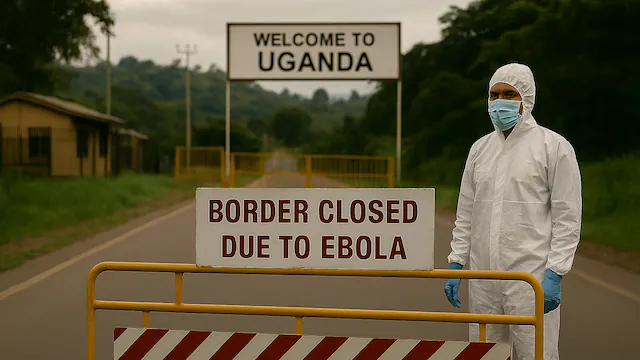 The Uganda Ebola outbreak has led to significant transportation disruptions and temporary border restrictions aimed at reducing cross-border transmission risks. These measures have primarily affected western Uganda and routes connecting the country to eastern regions of the Democratic Republic of the Congo.
Authorities have restricted passenger movement through several border crossings considered high-risk transmission points. While some crossings remain partially operational, movement has been reduced considerably and subjected to strict health screening procedures. Essential cargo vehicles transporting food supplies, fuel, medicine, and humanitarian goods are still allowed through many border points to prevent shortages and economic disruption.
Several public transport operators have suspended or reduced bus services between Uganda and the DRC as authorities continue evaluating outbreak conditions. Long-distance travel routes that normally support trade, employment, and family movement have experienced major disruptions, affecting both local residents and regional business operations.
Air travel has also become increasingly unpredictable during the Uganda Ebola outbreak. International travelers may experience sudden flight cancellations, route changes, rescheduling, or delays depending on evolving health regulations and airline policies. Some airlines have increased onboard health monitoring procedures while airports continue implementing enhanced passenger screening measures.
At Entebbe International Airport and other transport hubs, health officials are conducting temperature checks, reviewing travel histories, and monitoring travelers arriving from high-risk regions. Passengers may also encounter additional documentation requirements or health declarations before boarding international flights.
Authorities have introduced additional surveillance measures for regional travelers moving between districts within Uganda, particularly in areas considered vulnerable due to trade links or transport corridors connected to outbreak regions.
Ferry transport along the Semliki River has faced temporary disruption as authorities attempt to limit informal movement across border communities. These ferry routes are important for local trade and daily transportation, meaning restrictions have affected livelihoods and economic activities within surrounding communities.
Weekly markets and trading centers in some high-risk districts have also faced temporary closure or restrictions because crowded market environments can increase opportunities for disease transmission. Communities that rely heavily on informal cross-border trade have experienced growing economic pressure as movement restrictions continue.
International travelers visiting Uganda during the outbreak should prepare for possible logistical complications, including:
- Flight delays and schedule changes
- Extended airport screening procedures
- Sudden border policy updates
- Temporary quarantine measures
- Changes in regional transport availability
- Additional travel documentation requirements
Because regulations may change rapidly depending on outbreak developments, travelers are strongly advised to remain flexible, monitor airline updates closely, maintain communication with tour operators, and follow guidance issued by local authorities and international health agencies.
International Travel Advisories
Several countries and international agencies have updated their travel advisories regarding the Uganda Ebola outbreak.
Health organizations including the World Health Organization (WHO), the Centers for Disease Control and Prevention (CDC), and the European Centre for Disease Prevention and Control (ECDC) continue monitoring the situation closely.
Some governments have strengthened airport screening procedures for passengers arriving from Uganda and neighboring countries. Travelers may face additional health checks, temperature screening, or monitoring requirements depending on their destination country.
Despite these advisories, Uganda has not completely shut down tourism activities, and most major attractions remain accessible.
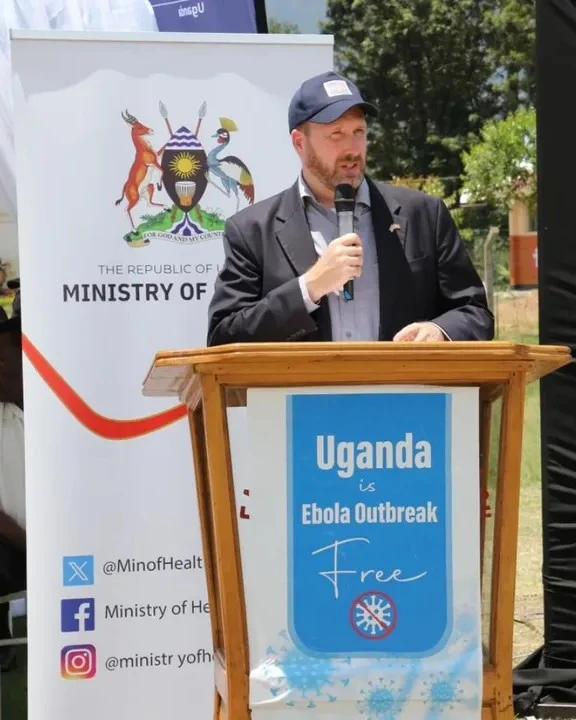
How the Uganda Ebola Outbreak Affects Tourism
Uganda’s tourism industry is one of the country’s most important economic sectors, attracting visitors from around the world for gorilla trekking, wildlife safaris, birdwatching, adventure travel, and cultural experiences. However, whenever Ebola outbreaks are reported in East Africa, tourism is often among the first sectors to feel the impact, even when infections are limited to specific regions and remain under control.
The current Uganda Ebola outbreak has created both direct and indirect challenges for the tourism sector. While most major tourist destinations remain operational and far from affected border areas, international media coverage and public fear surrounding Ebola have influenced travel decisions, business operations, and regional transportation systems.
Decline in Tourist Confidence
One of the immediate effects of the Uganda Ebola outbreak has been a decline in traveler confidence. Ebola is widely feared because of its high fatality rate and the intense global attention outbreaks typically receive. As a result, many international travelers react cautiously whenever Uganda or neighboring countries report confirmed cases.
Even though Ebola transmission requires direct contact with infected bodily fluids and is not spread through casual tourism activities, some travelers choose to postpone or cancel trips due to concerns about personal safety, medical access, or possible travel disruptions.
This decline in confidence has affected several areas of Uganda’s tourism industry, including:
Safari Bookings
Wildlife safaris remain one of Uganda’s biggest tourism attractions, especially in parks such as Queen Elizabeth National Park, Murchison Falls National Park, and Kidepo Valley National Park. However, international travelers often associate Ebola outbreaks with the entire region rather than specific outbreak zones. This can lead to canceled safari reservations and slower booking inquiries, even for parks located far from affected districts.
Some travelers also worry about possible transport interruptions, border closures, or emergency travel restrictions that could affect safari itineraries.
Gorilla Trekking Reservations
Gorilla trekking in Bwindi Impenetrable National Park and Mgahinga Gorilla National Park is one of Uganda’s most valuable tourism activities. Gorilla permits are often booked months in advance by international visitors.
During Ebola outbreaks, some tourists delay or cancel gorilla trekking plans due to uncertainty surrounding regional travel conditions. This affects not only park revenues but also conservation funding and local communities that depend heavily on gorilla tourism income.
Because gorilla trekking attracts high-end international travelers, even a small drop in visitor numbers can have a noticeable economic impact.
Hotel and Lodge Occupancy Rates
Hotels, safari lodges, guesthouses, and resorts across Uganda may experience reduced occupancy during outbreak periods. International group tours, conferences, and business travel can decline significantly as travelers adopt a wait-and-see approach.
Luxury safari lodges near national parks are especially sensitive to international travel trends because they depend heavily on foreign visitors. Reduced occupancy can affect staffing levels, supplier networks, and local employment opportunities.
Regional Flight Demand
The Uganda Ebola outbreak has also affected regional and international air travel demand. Some travelers choose alternative destinations out of caution, while others delay non-essential travel to East Africa entirely.
Airlines may reduce flight frequencies, adjust schedules, or temporarily suspend certain routes depending on demand and government health advisories. These disruptions can make travel planning more difficult for tourists and tour operators.
Tour Operations and Travel Planning
Tour companies across Uganda are facing increased operational uncertainty due to changing travel advisories, border regulations, and traveler concerns. Some operators have had to revise itineraries, offer flexible booking policies, or postpone group departures.
Tour operators are also spending more time communicating with clients, reassuring travelers about safety measures, and monitoring government updates to avoid disruptions.
Impact on Tourism Businesses and Local Communities
Uganda’s tourism industry supports thousands of jobs directly and indirectly. The effects of the Uganda Ebola outbreak extend far beyond tour companies and hotels, impacting entire communities that depend on tourism revenue for their livelihoods.
People affected include:
- Tour guides
- Safari drivers
- Hotel and lodge staff
- Restaurant workers
- Craft vendors
- Cultural performers
- Conservation workers
- Community tourism organizations
- Local farmers supplying tourism businesses
In many rural areas near national parks and conservation zones, tourism serves as a major source of income. When visitor numbers decline, communities often experience immediate economic pressure.
Effects on Community Tourism Projects
Community-based tourism projects are particularly vulnerable during tourism slowdowns. Many villages near gorilla trekking areas rely on cultural visits, handicraft sales, dance performances, and homestay programs to generate income.
Reduced tourist arrivals can limit funding for:
- Local schools
- Healthcare initiatives
- Conservation programs
- Women’s cooperatives
- Youth employment projects
The decline in tourism revenue may also affect wildlife conservation efforts because tourism plays a major role in funding protected areas and anti-poaching activities.
Pressure on Small Tourism Businesses
Small and medium-sized tourism businesses often face the greatest financial challenges during health emergencies. Independent guides, family-owned lodges, transport operators, and craft markets may struggle with reduced bookings and cash flow interruptions.
Cross-border trade restrictions and transport disruptions caused by the outbreak can also increase operating costs for tourism businesses that rely on imported supplies or regional transport networks.
Continued Operations in Major Tourist Destinations
Despite the challenges created by the Uganda Ebola outbreak, most major tourism destinations remain operational and continue welcoming visitors under strengthened health and safety measures.
Importantly, many of Uganda’s most popular tourist attractions are located far from outbreak hotspots near the DRC border. National parks, safari circuits, and tourism hubs continue functioning normally in many parts of the country.
Tourism activities currently continuing include:
Gorilla Trekking in Bwindi Impenetrable National Park
Gorilla trekking remains operational with enhanced hygiene measures and health monitoring protocols. Visitors may encounter additional handwashing stations, sanitizer use, and pre-trek health briefings designed to protect both travelers and endangered mountain gorillas.
Chimpanzee Tracking in Kibale Forest
Chimpanzee tracking tours in Kibale National Park continue operating while following strengthened health precautions for visitors and park staff.
Wildlife Safaris in Queen Elizabeth National Park
Game drives, boat cruises, birdwatching activities, and lodge stays remain available in Queen Elizabeth National Park and other major safari destinations.
Boat Cruises at Murchison Falls National Park
Boat safaris along the Nile River and wildlife viewing experiences continue with increased sanitation and visitor monitoring measures.
Hiking, Cultural Tours, and Adventure Activities
Activities such as hiking the Rwenzori Mountains, visiting Lake Bunyonyi, cultural experiences, and nature walks remain accessible in many parts of Uganda.
Enhanced Health and Safety Measures in Tourism
Tour operators, hotels, lodges, and park authorities have introduced additional safety procedures to reassure travelers and reduce potential health risks during the Uganda Ebola outbreak.
Common preventive measures now include:
- Handwashing and sanitizer stations
- Temperature screening
- Enhanced room and vehicle sanitation
- Staff health monitoring
- Visitor health briefings
- Reduced physical contact procedures
- Emergency response preparedness
Many tour companies are also offering more flexible booking and cancellation policies to accommodate travelers concerned about changing travel conditions.
Uganda’s tourism industry continues emphasizing that responsible tourism can still take place safely while supporting conservation efforts and local communities during challenging times.
Long-Term Outlook for Uganda’s Tourism Sector
Although the Uganda Ebola outbreak has created short-term challenges for tourism, Uganda has historically demonstrated resilience during previous public health emergencies. The country’s strong outbreak response experience, rapid containment measures, and cooperation with international health organizations help restore traveler confidence once outbreaks are controlled.
Tourism stakeholders remain hopeful that aggressive containment efforts, accurate public information, and continued safety measures will help minimize long-term damage to Uganda’s tourism reputation.
As the situation evolves, travelers are encouraged to stay informed through official health agencies, maintain flexible travel arrangements, and work with trusted tour operators when planning visits to Uganda.
Symptoms of Ebola
Recognizing Ebola symptoms early remains one of the most important public health priorities during the Uganda Ebola outbreak. Early detection allows health authorities to isolate suspected cases quickly, begin supportive treatment, and reduce the risk of further transmission within communities and healthcare facilities.
One of the biggest challenges during Ebola outbreaks is that the early symptoms often resemble other common tropical illnesses such as malaria, typhoid fever, influenza, or severe stomach infections. This can make early diagnosis difficult, particularly in regions where malaria is widespread.
Symptoms of Ebola may appear anywhere between 2 and 21 days after exposure to the virus, with most cases developing symptoms within 8 to 10 days.
Common Symptoms of Ebola
Sudden Fever
A high fever is usually one of the first signs of Ebola infection. The fever may appear suddenly and is often accompanied by chills and sweating. Because fever is also common in malaria and other infections common in Uganda, travelers should not immediately panic but should seek medical guidance if fever occurs after possible exposure.
Fatigue and Extreme Weakness
Many Ebola patients experience intense fatigue and weakness during the early stages of illness. Individuals may feel physically exhausted even after resting and may struggle with normal daily activities.
Severe Headache
Persistent headaches are common during Ebola infection and may become increasingly severe as the illness progresses. Headaches are often accompanied by body pain and general discomfort.
Muscle and Joint Pain
Muscle aches, joint pain, and body weakness frequently occur during early Ebola infection. Some patients describe symptoms similar to severe flu-like illness.
Sore Throat
A painful or irritated throat may develop early in the infection. Swallowing may become uncomfortable, and the throat may feel dry or inflamed.
Vomiting and Diarrhea
As the illness progresses, many patients develop vomiting and diarrhea, which can lead to serious dehydration if not treated quickly. These symptoms are particularly dangerous because bodily fluids become highly infectious during active illness.
Stomach Pain
Abdominal pain and digestive discomfort are also common symptoms. Some individuals may experience cramping, nausea, or severe gastrointestinal distress.
General Weakness and Loss of Appetite
Patients often become physically weak and lose interest in food or daily activities. Severe weakness may worsen as dehydration and infection progress.
Unexplained Bleeding in Severe Cases
In advanced stages, some Ebola patients may develop unexplained bleeding from the gums, nose, eyes, or digestive system. Bruising and internal bleeding can also occur. However, not every Ebola patient experiences visible bleeding, so the absence of bleeding does not rule out infection.
Why Malaria Prevention Remains Important
Because the early symptoms of Ebola closely resemble malaria and typhoid fever, travelers visiting Uganda are strongly encouraged to continue taking malaria prevention medication and using mosquito protection measures.
Preventing malaria helps reduce confusion during medical evaluations and lowers the likelihood of unnecessary panic or hospitalization. Travelers should:
- Use antimalarial medication as prescribed
- Sleep under mosquito nets where necessary
- Use insect repellent
- Wear long sleeves in mosquito-prone areas
Anyone who develops fever or flu-like symptoms during or after travel should seek medical attention promptly while informing healthcare providers about recent travel history.
Is It Safe to Travel to Uganda During the Ebola Outbreak?
For most tourists, the overall risk of Ebola infection remains relatively low, especially when travelers avoid direct contact with infected individuals and follow recommended health precautions.
Ebola is not spread through casual interaction, wildlife viewing, hotel stays, safari drives, or ordinary tourism activities. Simply visiting Uganda does not automatically place travelers at high risk.
Most major tourism destinations remain operational and are located far from affected outbreak areas near the Democratic Republic of the Congo (DRC) border.
However, travelers should remain informed and cautious throughout their trip.
Situations That May Carry Higher Risk
Visiting Border Regions Near the DRC
Western Uganda districts close to the DRC border remain under heightened surveillance because cross-border movement between communities is frequent. Travelers moving through these regions may encounter stricter screening procedures and greater public health monitoring.
Non-essential travel to active outbreak zones should generally be avoided.
Entering Healthcare Facilities
Hospitals and clinics treating Ebola patients may carry increased exposure risk for healthcare workers and visitors. Travelers should avoid unnecessary visits to healthcare facilities unless medical attention is genuinely required.
If medical care becomes necessary, travelers should seek advice from trusted healthcare providers or their embassy before visiting unfamiliar facilities.
Participating in Large Gatherings
Large gatherings, crowded transport hubs, and busy public markets may increase exposure to illnesses in general. During outbreaks, authorities may discourage or temporarily restrict certain public events or gatherings.
Traveling Through High-Risk Districts
Some districts experiencing active surveillance or contact tracing operations may have stricter movement controls and increased screening procedures. Travelers should monitor official updates before moving through these regions.
Logistical Challenges for Travelers
For many visitors, the greater challenge during the Uganda Ebola outbreak may involve logistical disruptions rather than direct infection risk.
Travelers may encounter:
- Border closures
- Flight delays or cancellations
- Sudden travel restrictions
- Enhanced airport screening
- Route changes
- Temporary quarantine measures
- Transport interruptions
Because regulations can change quickly, flexible travel planning is highly recommended.
Essential Safety Precautions for Travelers
Travelers visiting Uganda during the Ebola outbreak should follow practical preventive measures designed to reduce infection risks and support public health efforts.
Wash Hands Frequently
Frequent handwashing remains one of the most effective preventive measures. Travelers should:
- Wash hands regularly with soap and clean water
- Use alcohol-based hand sanitizers
- Sanitize after touching public surfaces
- Practice good hygiene before eating or after traveling
Hotels, airports, national parks, and public buildings across Uganda have increased access to handwashing stations and sanitizers.
Avoid Physical Contact With Sick Individuals
Travelers should avoid direct contact with anyone displaying symptoms such as:
- Fever
- Vomiting
- Severe weakness
- Diarrhea
- Unexplained illness
Ebola spreads through direct contact with infected bodily fluids, making physical interaction with sick individuals a major transmission risk.
Monitor Personal Health Regularly
Travelers should pay attention to any unusual symptoms during and after their trip. Early medical reporting can help protect both the traveler and surrounding communities.
Anyone developing fever or flu-like illness should:
- Contact healthcare providers immediately
- Inform medical staff about recent travel history
- Avoid public transportation until medically evaluated
Avoid Bushmeat and Wildlife Contact
Authorities continue warning against handling bushmeat or interacting with wild animals during the Uganda Ebola outbreak.
Historically, Ebola outbreaks have sometimes been linked to infected wildlife, including:
- Fruit bats
- Primates
- Forest animals
Travelers should avoid consuming improperly prepared bushmeat or handling dead animals.
Follow Official Public Health Guidance
Travelers should rely on updates from trusted organizations such as:
- Uganda Ministry of Health
- World Health Organization (WHO)
- Centers for Disease Control and Prevention (CDC)
- Local embassies
- Licensed tour operators
Avoid spreading misinformation or relying on unverified social media rumors.
Use Licensed Tour Operators
Traveling with experienced and licensed tour companies helps travelers receive updated information, organized transport support, and emergency assistance if conditions change suddenly.
Professional operators are also more likely to follow official health and safety guidelines.
Maintain Flexible Travel Plans
Because outbreak situations can evolve rapidly, travelers should prepare for:
- Itinerary changes
- Delayed transportation
- Revised border procedures
- Airline schedule adjustments
Flexible tickets and backup travel plans can help reduce stress if unexpected changes occur.
Travel Insurance and Emergency Planning
The Uganda Ebola outbreak has increased concern within the travel insurance industry because some policies may exclude epidemic-related disruptions or emergency medical costs.
Travelers should carefully review insurance coverage before departure.
Confirm Ebola-Related Coverage
Before traveling, visitors should contact insurance providers directly to confirm whether coverage includes:
- Ebola-related medical treatment
- Emergency evacuation
- Quarantine expenses
- Flight cancellations
- Trip interruptions
Some policies may exclude epidemic events entirely.
Review Medical Evacuation Policies
Medical evacuation planning is especially important during Ebola outbreaks because specialized treatment facilities may not always be available locally.
Travelers should understand:
- Which hospitals are approved by insurers
- Emergency evacuation procedures
- Air ambulance limitations
- Regional healthcare availability
Carry Important Documents
Travelers should keep both digital and printed copies of:
- Passports
- Travel insurance details
- Vaccination records
- Emergency contacts
- Embassy information
- Medical prescriptions
Easy access to documentation can be extremely important during emergencies or travel disruptions.
Uganda’s Tourism Sector Remains Resilient
Despite the challenges created by the Uganda Ebola outbreak, Uganda’s tourism industry continues demonstrating resilience and adaptability.
The country has extensive experience managing health emergencies while maintaining key tourism operations safely and responsibly. Government agencies, conservation authorities, hotels, airlines, and tour operators continue working together to protect both visitors and local communities.
Uganda’s rapid outbreak response systems, public health expertise, and cooperation with international health organizations continue supporting containment efforts while helping maintain confidence in the tourism sector.
Most major tourism destinations remain operational, particularly those located far from outbreak hotspots near the DRC border.
Many travelers continue safely enjoying experiences such as:
- Gorilla trekking in Bwindi
- Wildlife safaris in Queen Elizabeth National Park
- Chimpanzee tracking in Kibale Forest
- Boat cruises at Murchison Falls
- Hiking and cultural tourism experiences
Tourism businesses across Uganda have strengthened hygiene standards, visitor screening procedures, staff monitoring systems, and sanitation practices to reassure travelers and maintain safe operations.
Although the Uganda Ebola outbreak has created temporary economic and logistical challenges, Uganda’s tourism sector remains committed to responsible travel, conservation, and visitor safety as the country works toward full outbreak containment.
Final Thoughts
The Uganda Ebola outbreak remains a serious but manageable public health situation requiring caution, awareness, and responsible travel behavior. Uganda’s authorities are actively working to contain the outbreak through surveillance, contact tracing, border management, and public education campaigns.
While the outbreak has affected tourism confidence and regional transportation, most tourism destinations continue operating with enhanced health and safety protocols.
Travelers planning visits to Uganda should stay informed through official health organizations, follow recommended precautions, maintain flexible travel arrangements, and work with trusted tour operators.
With proper planning and accurate information, visitors can continue enjoying Uganda’s incredible wildlife, landscapes, and cultural experiences while supporting the country’s tourism sector during this challenging period.

