


Complete Safari Guide to Queen Elizabeth National Park
Complete Safari Guide to Queen Elizabeth National Park
Queen Elizabeth National Park is one of Uganda’s most popular and diverse safari destinations, offering a unique blend of wildlife, landscapes, and cultural richness. Located in western Uganda along the Albertine Rift Valley, the park covers approximately 1,978 square kilometers and features a mix of savannah plains, wetlands, crater lakes, and forested gorges.
Established in 1952 and named after Queen Elizabeth II, it is Uganda’s most visited national park and a key highlight on many safari itineraries. The park is home to over 95 mammal species, more than 600 bird species, and an estimated 2,500 elephants, making it one of the richest ecosystems in East Africa.
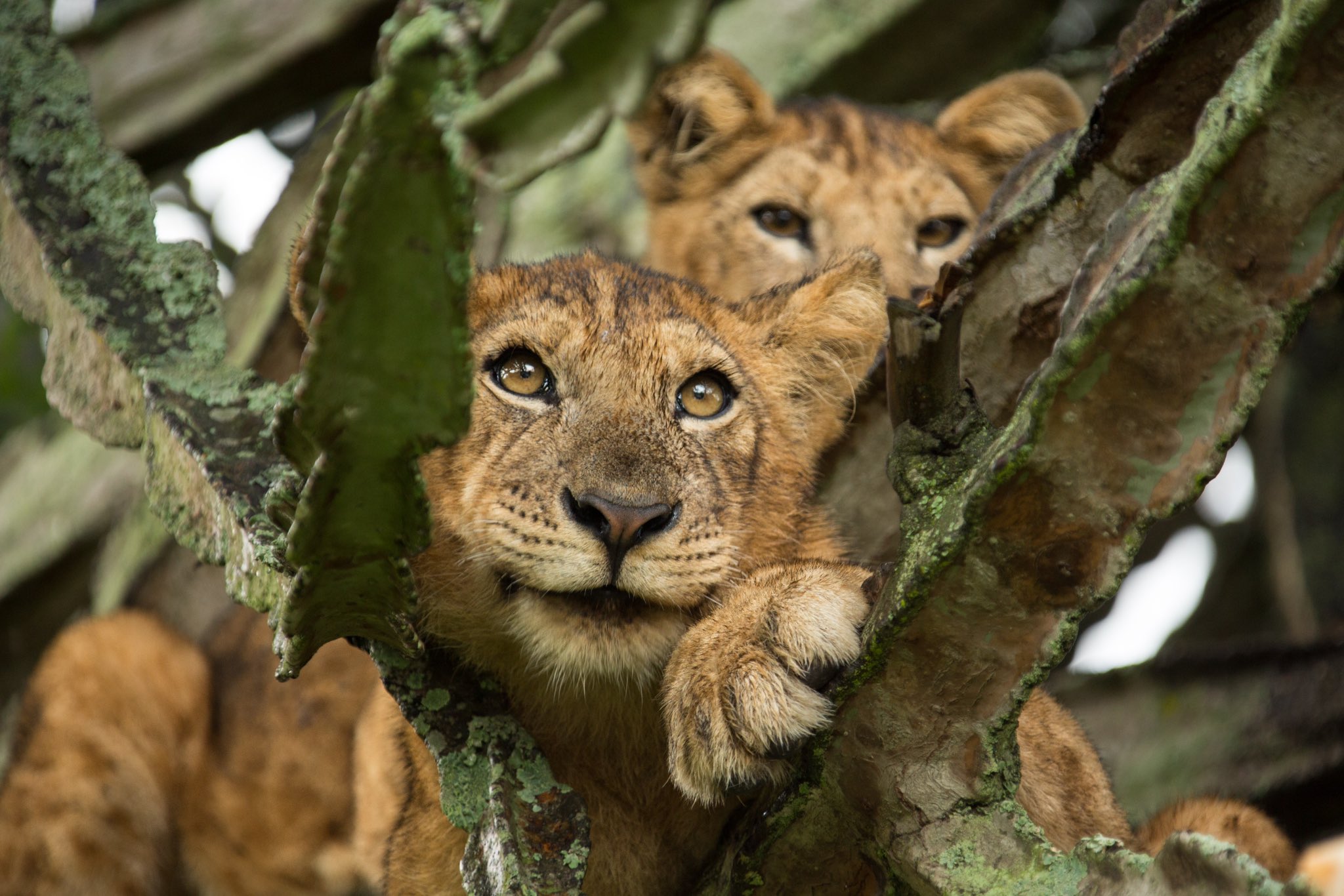
Often overshadowed by the famous savannah parks of Kenya and Tanzania, Queen Elizabeth National Park offers a different kind of safari experience. Here, wildlife exists alongside local communities, creating a landscape that is both natural and lived-in. The park is especially known for its big cats, including lions and leopards, with the Ishasha sector famous for its rare tree-climbing lions—a major highlight for visitors.
It is also commonly combined with gorilla trekking in Bwindi and chimpanzee tracking in Kibale Forest, making it an essential part of a well-rounded Uganda safari.
What to Expect
Queen Elizabeth National Park offers a rich and varied safari experience, though it differs from the more classic wildlife reserves of countries like Kenya or Tanzania. While it hosts a healthy population of big game such as elephants, buffaloes, antelopes, and warthogs, it does not have species like rhinos, giraffes, or zebras.
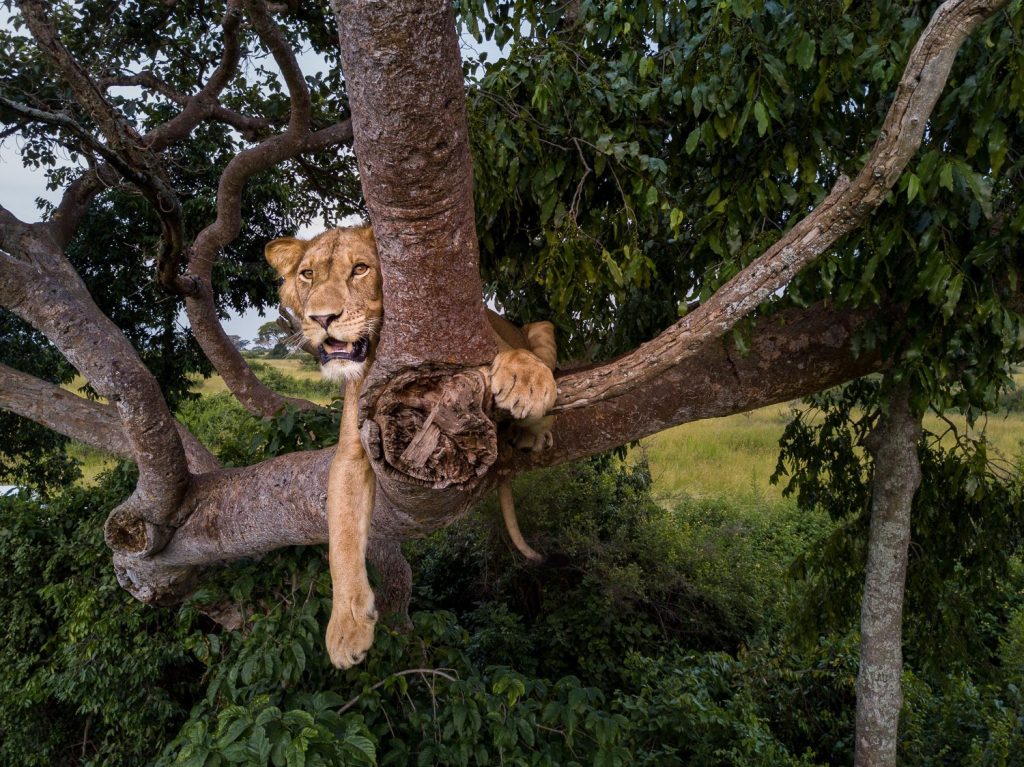
What truly stands out here are the predators and landscapes. Lions and leopards are among the main attractions, often leaving a lasting impression on visitors. The park’s scenery—ranging from open plains to crater lakes and lush gorges—adds to its charm.
Another unique aspect is the presence of local communities within and around the park, which creates a more dynamic environment where conservation and human activity coexist.
Wildlife in Queen Elizabeth National Park
Queen Elizabeth National Park is the most biodiverse protected area in Uganda, home to over 95 mammal species and more than 600 bird species. Its varied habitats—ranging from savannah grasslands and woodlands to tropical forests, wetlands, and lakes—support an incredible diversity of wildlife.
The park hosts large populations of hippos (around 5,000), elephants (about 2,500), and over 10,000 buffaloes, along with other commonly seen animals such as Uganda kobs, waterbucks, warthogs, and antelopes. These species are widely distributed across the plains and along water sources, making wildlife viewing rewarding throughout the park.
Queen Elizabeth is also well known for its big cats, including lions and leopards. The Ishasha sector is especially famous for its tree-climbing lions, a rare behavior that makes sightings here truly unique. Other elusive predators such as servals and genets can also be found, though they are harder to spot.
For primate lovers, the park is home to several species, including chimpanzees in Kyambura Gorge, as well as baboons, colobus monkeys, and vervet monkeys.
Birdlife is equally impressive, with over 600 species recorded. From iconic birds like pelicans and the shoebill to a wide variety of wetland and forest species, the park is a paradise for birdwatchers.
Although rhinos are not found here, Queen Elizabeth National Park still offers an exceptional safari experience, combining big game, predators, primates, and birdlife in one diverse and scenic destination.
Things to Do in Queen Elizabeth National Park
Queen Elizabeth National Park offers a wide range of safari activities, making it one of the most rewarding destinations in Uganda. Its rich wildlife, scenic landscapes, and diverse ecosystems allow visitors to enjoy both classic safari experiences and unique adventures. Many travelers combine a visit here with gorilla trekking in Bwindi or chimpanzee tracking in Kibale Forest for a complete wildlife journey.
Game Drives (Mweya Peninsula & Kasenyi Plains)
Game drives are the highlight of any visit to Queen Elizabeth National Park. The Kasenyi Plains and Mweya Peninsula are the best areas for spotting wildlife, including elephants, buffaloes, lions, antelopes, and occasionally leopards.
Drives are usually done early in the morning or late afternoon when animals are most active. With experienced guides, you’ll learn about animal behavior while observing wildlife in their natural habitat—from lions preparing to hunt to elephants grazing across the savannah.
Boat Safari on the Kazinga Channel
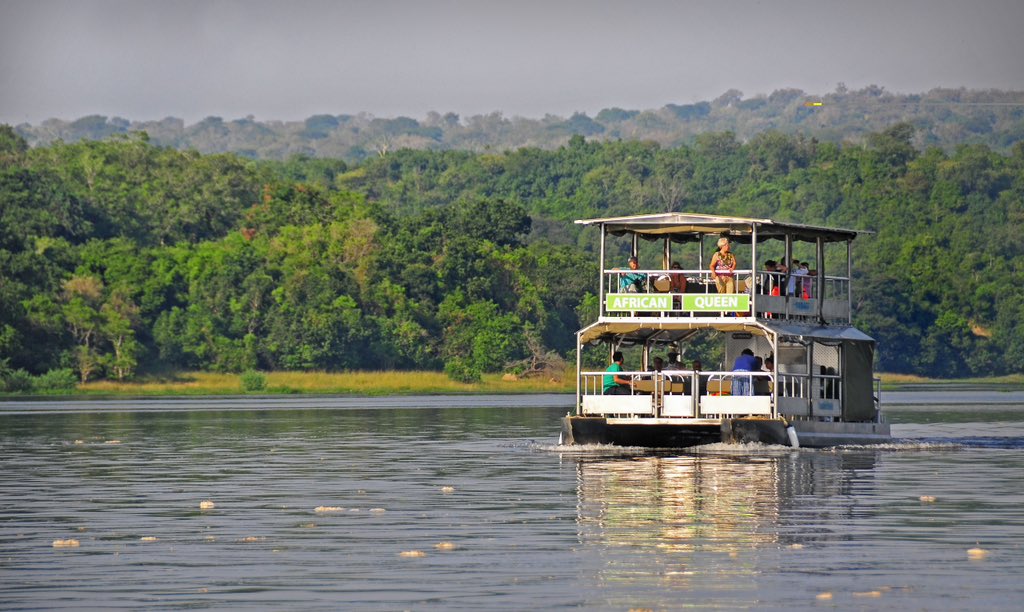
A boat cruise along the Kazinga Channel, which connects Lake Edward and Lake George, is one of the most memorable experiences in the park. The channel has one of the highest concentrations of hippos in Africa, along with crocodiles and large herds of buffaloes and elephants along the shoreline.
Boat safaris offer a peaceful and unique perspective, allowing you to get closer to wildlife than on land, while also enjoying excellent birdwatching opportunities.
Tree-Climbing Lions in Ishasha
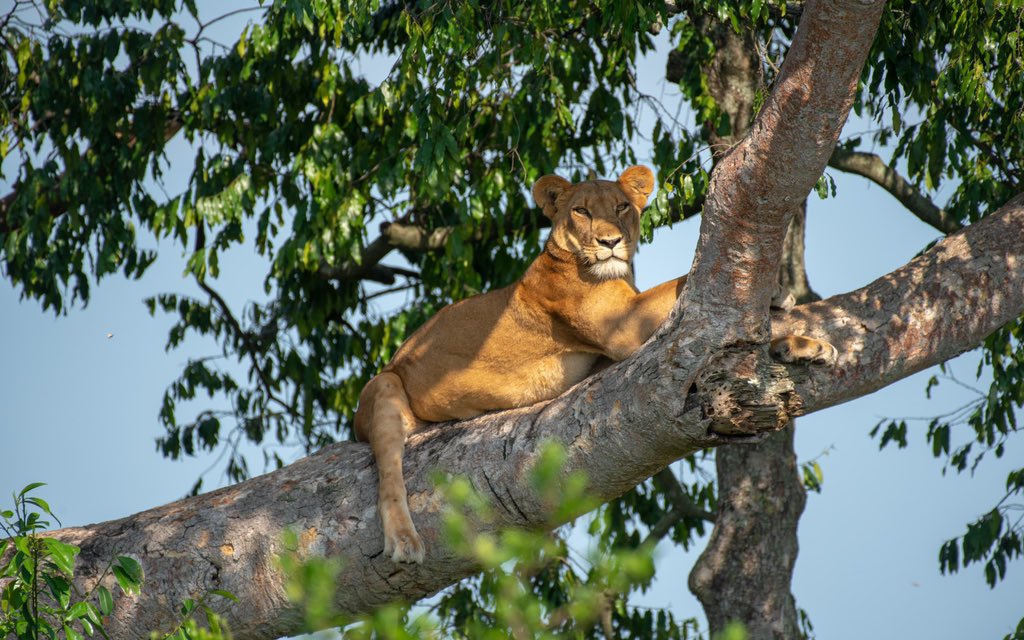
The Ishasha sector in the southern part of the park is famous for its rare tree-climbing lions. These lions are often seen resting in fig trees, a behavior believed to help them avoid heat and insects.
Ishasha is less crowded than other areas of the park, offering a quieter and more intimate safari experience with beautiful open landscapes.
Chimpanzee Tracking in Kyambura Gorge
Known as the “Valley of Apes,” Kyambura Gorge is a lush, forested canyon hidden within the savannah. It offers a unique opportunity to track chimpanzees in a dramatic setting.
The experience involves hiking through dense forest with a guide in search of chimpanzees. While sightings are not guaranteed, the adventure itself and the scenery make it worthwhile.
Maramagambo Forest Walks
For those who enjoy nature walks and birding, Maramagambo Forest is a great place to explore. Guided walks take you through dense forest where you may encounter monkeys, birds, and even bat caves.
It’s a peaceful alternative to game drives and offers a closer look at the park’s smaller wildlife and plant life.
Crater Lakes Exploration
Queen Elizabeth National Park is dotted with over 70 volcanic crater lakes, especially in the northern region. A drive through this area offers stunning views of crater lakes surrounded by green hills and forest.
These landscapes provide excellent photography opportunities and a deeper appreciation of the park’s geological history.
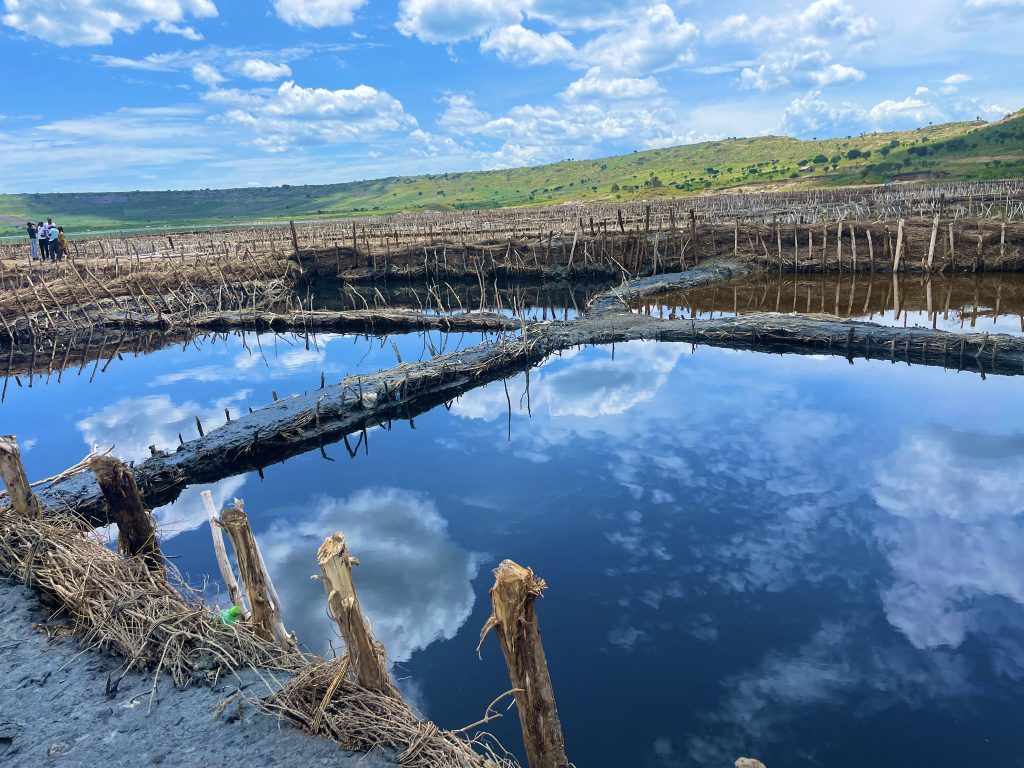
Katwe Salt Pans Visit
A visit to the Katwe Salt Pans offers insight into the cultural and historical side of the park. Local communities have been extracting salt here for generations using traditional methods.
It’s a unique experience that highlights the relationship between people and the environment within the park.
Birdwatching
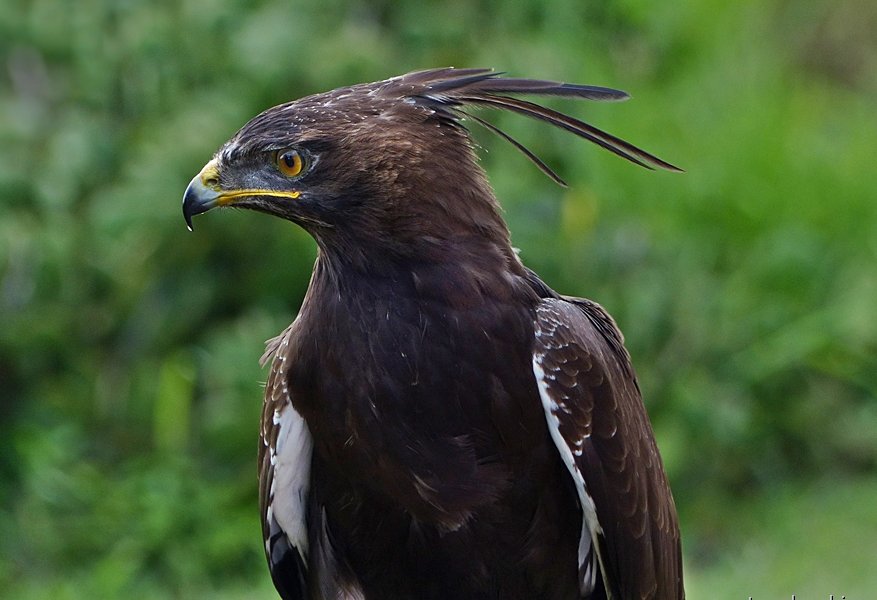
With over 600 bird species, Queen Elizabeth National Park is a paradise for bird lovers. From African fish eagles and kingfishers to pelicans and flamingos (seasonal), the variety is impressive.
Birdwatching can be done during game drives, boat safaris, or guided walks, making it accessible for both beginners and experienced birders.
Best Time to Visit
Queen Elizabeth National Park can be visited throughout the year, thanks to Uganda’s equatorial climate, but conditions vary depending on rainfall patterns.
The dry seasons (June to September and December to February) are generally considered the best time to visit. During these months, roads are more accessible, and wildlife is easier to spot as animals gather around water sources. Game drives are more comfortable, and visibility across the savannah is clearer.
The wet seasons (March to May and October to November) bring heavier rainfall, especially around April. While some tracks can become muddy and challenging to navigate, the park transforms into a lush, green landscape with fewer tourists. This is also a great time for birdwatching and photography.
Overall, while the dry season offers easier travel and better wildlife viewing, Queen Elizabeth National Park remains a rewarding destination year-round—just be prepared for changing weather conditions.
How to Get There
Queen Elizabeth National Park is easily accessible and can be visited on its own or as part of a longer safari itinerary, often combined with Bwindi or Kibale Forest.
By Road
The park is about a 6–7 hour drive from Kampala or Entebbe, offering a scenic journey through towns, rolling countryside, and tea plantations around Fort Portal.
If you’re already in western Uganda, travel times are shorter—around 3 hours from Kibale Forest and about 4 hours between Mweya and Bwindi (Buhoma sector). While roads are improving, it’s best to allow a full day for longer drives.
By Air
Domestic flights from Entebbe to Mweya or Kasese airstrips provide a faster and more comfortable option. Flights typically take 1–2 hours, followed by a short transfer to your lodge.
Flying is more convenient, especially for shorter itineraries, while road travel allows you to enjoy Uganda’s beautiful landscapes along the way.
Where to Stay
Queen Elizabeth National Park offers a wide range of accommodation options across its main sectors, including Mweya Peninsula, Kyambura Gorge, Ishasha, the Northeast Escarpment, and the Rift Valley Escarpment. Each area provides a different experience, from central access to activities to quieter, more remote settings.
Luxury Lodges
- Mweya Safari Lodge – Located on the Mweya Peninsula, this classic lodge offers stunning views over the Kazinga Channel and easy access to boat safaris and game drives.
- Kyambura Gorge Lodge – A high-end lodge set on the edge of Kyambura Gorge, perfect for chimpanzee tracking, with beautiful views and excellent service.
Mid-Range Options
- Enganzi Lodge – Situated on the escarpment, it offers comfortable cottages with panoramic views of the park and a peaceful atmosphere.
- Twin Lakes Safari Lodge – Located near crater lakes, this lodge provides scenic views, good amenities, and convenient access to different park sectors.
Budget Options
- Bush lodges and campsites are available around the park, especially near Katunguru and Ishasha, offering simple but affordable stays close to nature.
For the best experience, consider staying near Mweya Peninsula for central access to major activities or in the Ishasha sector for a quieter, more wilderness-focused safari.
Travel Tips
- Book game drives early – Early morning and late afternoon game drives offer the best chances of spotting wildlife, especially predators like lions and leopards when they are most active. Booking in advance also helps secure experienced guides.
- Carry binoculars – A good pair of binoculars enhances your safari, especially for birdwatching and spotting animals at a distance across the savannah or along the Kazinga Channel.
- Combine with Bwindi – Pairing Queen Elizabeth National Park with Bwindi Impenetrable National Park creates a well-rounded safari experience, combining classic game viewing with unforgettable gorilla trekking.
- Pack light but smart – Bring lightweight, breathable clothing for daytime, but include a warm jacket or fleece for early morning and evening game drives, which can be surprisingly cool.
- Bring a camera – The park offers incredible photography opportunities, from tree-climbing lions to large herds of elephants and scenic landscapes, so having a good camera (or smartphone) is essential to capture the experience.
Final Thoughts
Queen Elizabeth National Park offers one of the most complete safari experiences in Uganda. From classic game drives and boat safaris to chimpanzee tracking and tree-climbing lions, the park delivers incredible diversity in a single destination.
Whether you’re exploring it on its own or as part of a larger Uganda safari, Queen Elizabeth National Park promises unforgettable wildlife encounters and breathtaking scenery at every turn.
A Snapshot
Queen Elizabeth National Park is a 1,978 square kilometre UNESCO Biosphere Reserve located about 350 km from Kampala. It forms part of the Greater Virunga Landscape, connecting with Virunga National Park in the Democratic Republic of Congo, making it one of East Africa’s most important conservation areas.
The park lies within the Western Rift Valley and features a diverse landscape of savannah plains, crater lakes, forests, and the Kazinga Channel, which links Lake Edward and Lake George. With the Rwenzori Mountains in the background on clear days, the scenery is both dramatic and varied.
What makes Queen Elizabeth unique is the long history of human and wildlife coexistence. Although wildlife populations declined during periods of conflict in the 1970s and 1980s, conservation efforts and natural migration helped restore animal numbers. Today, the park is once again rich in wildlife and stands as a strong example of successful conservation in Africa.
Popular Safaris
FAQs About Queen Elizabeth National Park
1. Where is Queen Elizabeth National Park located?
Queen Elizabeth National Park is located in western Uganda along the Albertine Rift Valley. It lies between Lake Edward and Lake George and is about 6–7 hours’ drive from Kampala or Entebbe.
2. What is Queen Elizabeth National Park famous for?
The park is best known for its tree-climbing lions in the Ishasha sector, boat safaris on the Kazinga Channel, and its rich wildlife diversity, including elephants, hippos, buffaloes, and over 600 bird species.
3. What animals can I see in Queen Elizabeth National Park?
Visitors can see elephants, lions, leopards, buffaloes, hippos, crocodiles, Uganda kobs, warthogs, and many primates. The park is also a top destination for birdwatching.
4. What is the best time to visit Queen Elizabeth National Park?
The best time to visit is during the dry seasons: June to September and December to February. However, the park can be visited year-round depending on your travel preferences.
5. How many days do I need in Queen Elizabeth National Park?
A minimum of 2–3 days is recommended to enjoy game drives, a boat safari on the Kazinga Channel, and possibly chimpanzee tracking in Kyambura Gorge or a visit to Ishasha.
6. Can I combine Queen Elizabeth National Park with gorilla trekking?
Yes, it is commonly combined with Bwindi Impenetrable National Park for gorilla trekking or Kibale Forest for chimpanzee tracking, creating a complete Uganda safari experience.
7. What activities can I do in Queen Elizabeth National Park?
Popular activities include game drives, boat cruises on the Kazinga Channel, chimpanzee tracking in Kyambura Gorge, birdwatching, crater lake tours, and visiting the Ishasha tree-climbing lions.
8. Is Queen Elizabeth National Park safe for tourists?
Yes, the park is safe for tourists when visited with licensed guides and tour operators. Uganda Wildlife Authority closely manages all activities inside the park.
9. What should I pack for a safari in Queen Elizabeth National Park?
Pack light, breathable clothing, a warm jacket for early mornings, comfortable walking shoes, binoculars, sunscreen, insect repellent, and a good camera.
10. How do I get to Queen Elizabeth National Park?
You can reach the park by road (6–7 hours from Kampala/Entebbe) or by domestic flights to Mweya or Kasese airstrips, followed by a short transfer to your lodge.

