


How to Plan a Safari in Uganda and Rwanda (Step-by-Step Guide)
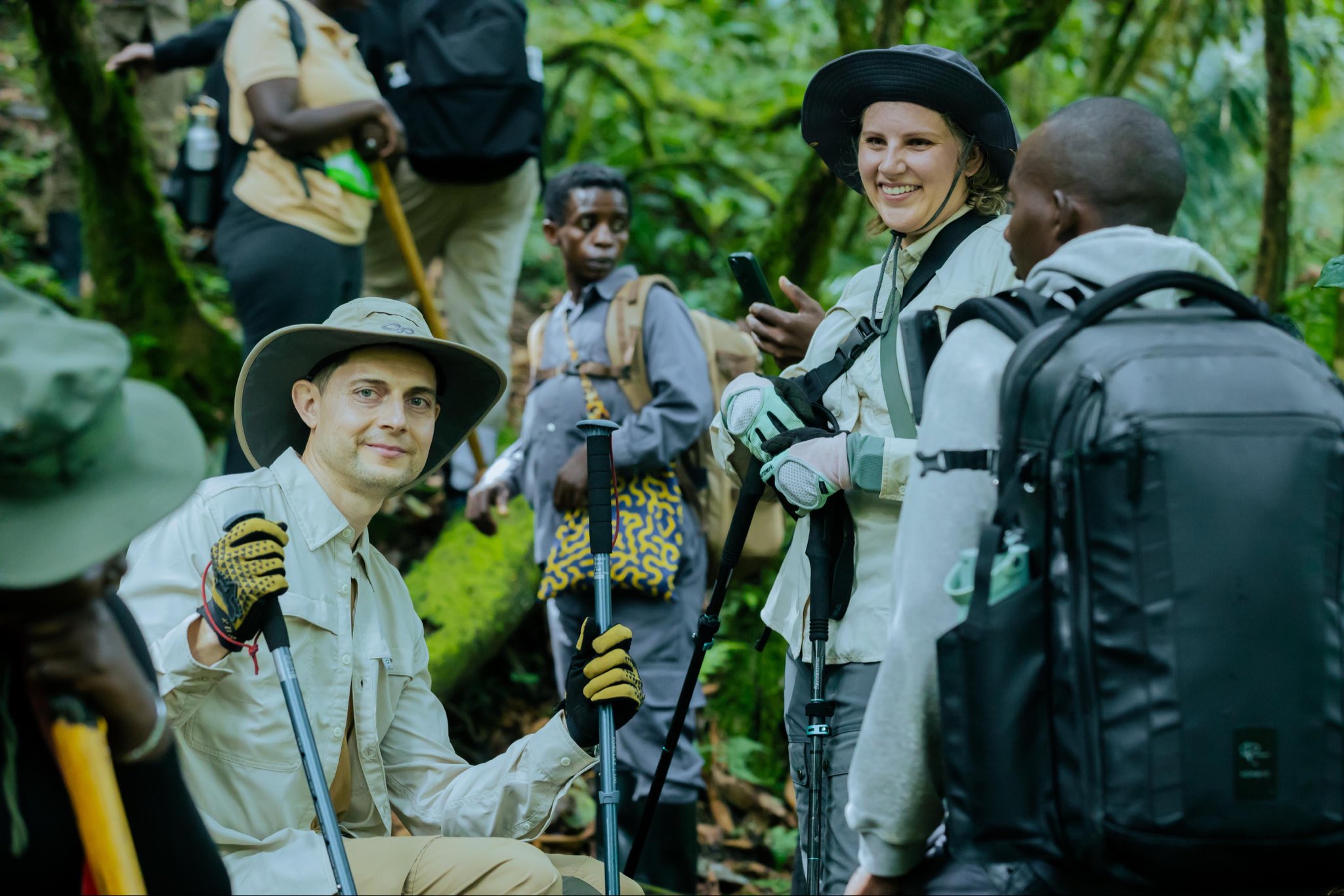
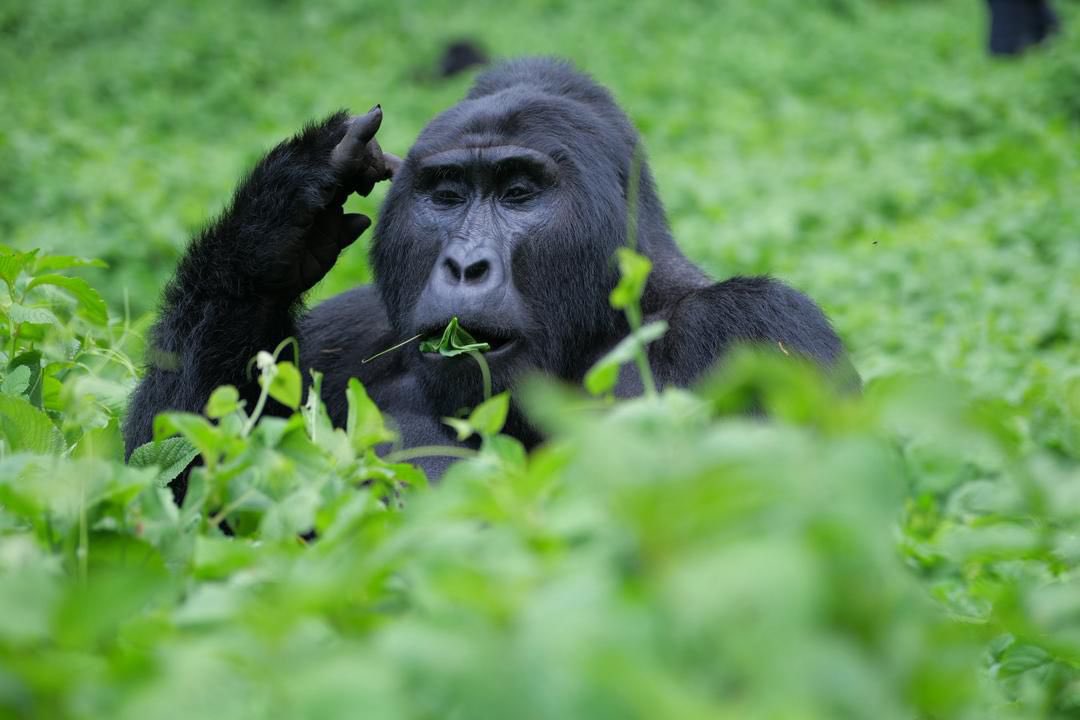 Both Uganda and Rwanda offer incredible safari experiences, but each destination has its own highlights. Choosing where to go depends on your interests—whether it’s primates, classic wildlife safaris, landscapes, or a mix of everything.
Step 3: Set Your Budget
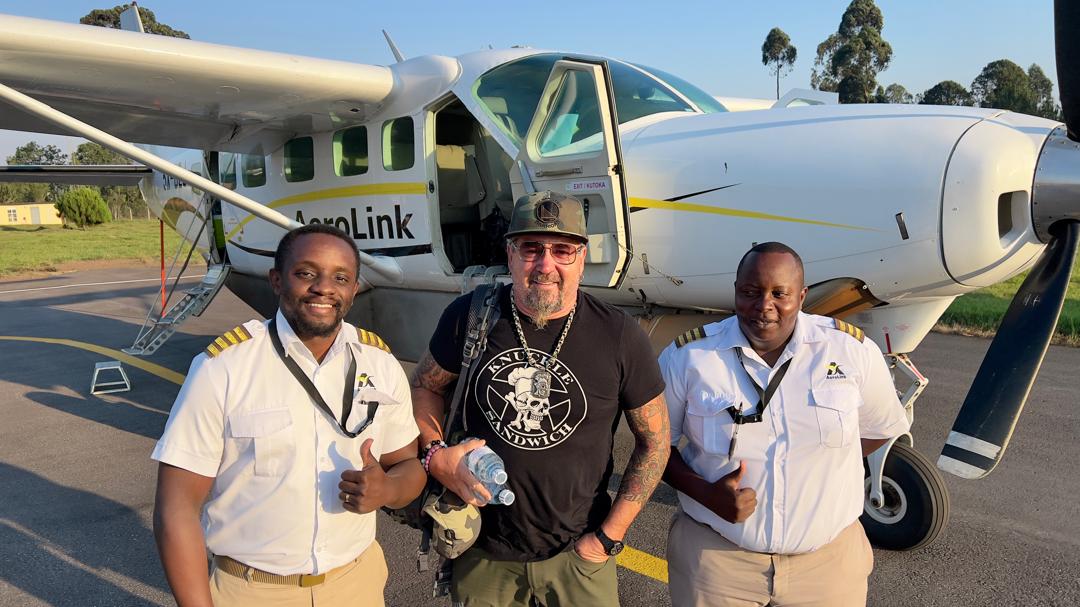 Your budget plays a major role in shaping your safari experience—from the type of accommodation you choose to how you travel between destinations and the activities you include. Uganda and Rwanda offer options for different budgets, but planning ahead helps you avoid unexpected costs.
Main Costs to Consider:
Gorilla Permits
Gorilla trekking is the highlight of most safaris, but it is also the most expensive activity.
- Uganda: approximately $800 per person
- Rwanda: approximately $1,500 per person
These permits allow you to spend one hour with a habituated gorilla family and must be booked in advance due to limited availability.
Chimpanzee Permits
Chimp tracking is more affordable and still highly rewarding.
- Kibale National Park (Uganda): around $200 per person
- Habituation experiences cost more but allow longer time with chimps.
Accommodation
Options range widely depending on comfort and location:
- Luxury lodges – high-end experience with premium service, often $300–$1,000+ per night
- Mid-range lodges – comfortable and well-located, usually $100–$300 per night
- Budget options – guesthouses and campsites from $30–$100 per night
Staying inside or near parks may cost more but saves time and improves your overall experience.
Transport
- Guided safari (recommended) – includes a driver-guide, 4×4 vehicle, fuel, and logistics; more convenient but higher cost
- Self-drive – cheaper and flexible, but requires confidence navigating rural roads and national parks
Fuel costs, vehicle hire, and possible park vehicle fees should also be factored in.
Park Entry Fees and Activities
Each national park charges daily entrance fees (typically $40–$70 per person for foreign visitors). Additional activities such as:
- Boat safaris
- Guided walks
- Night game drives
may come at an extra cost.
Step 6: Choose How to Travel
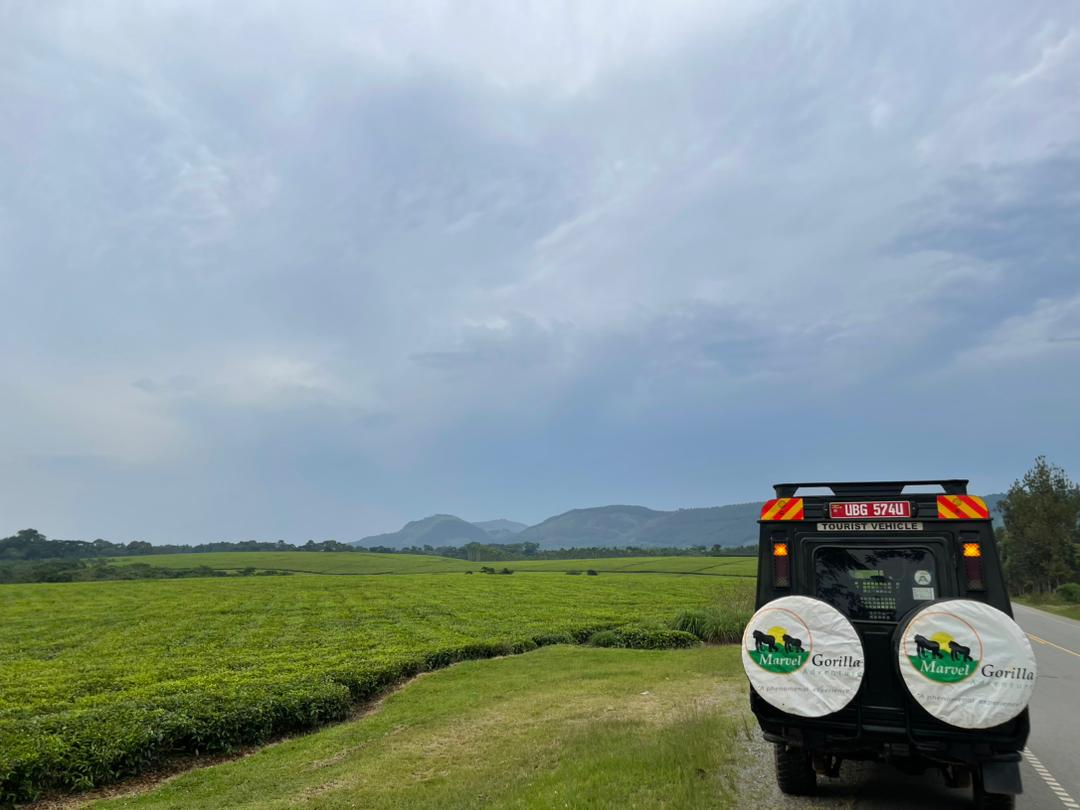 How you move around Uganda and Rwanda will shape your entire safari experience. The choice usually comes down to guided safaris or self-drive adventures, and each has its own advantages depending on your travel style and experience.
Guided Safari
A guided safari is the most popular and convenient option, especially for first-time visitors. It typically includes a professional driver-guide, a 4×4 safari vehicle, accommodation, and organized activities.
Your guide does more than just drive—they help spot wildlife, share local knowledge, handle park logistics, and ensure you stay on schedule. This is particularly helpful in national parks where animal tracking and timing make a big difference.
It’s also a stress-free option, as everything from permits to routes and park entry is arranged for you. While it may cost more, the comfort, safety, and deeper insight often make it well worth it.
Self-Drive Safari
A self-drive safari offers freedom and flexibility, allowing you to explore at your own pace and adjust your itinerary as you go. It can also be more budget-friendly, especially for experienced travelers.
However, it comes with challenges. Road conditions in some areas can be rough, signage may be limited, and navigating national parks requires confidence and preparation. You’ll also need to handle bookings, permits, and timing on your own.
A 4×4 vehicle is highly recommended, particularly during the rainy season or when visiting remote parks.
Which Option Is Best?
In Uganda and Rwanda, many travelers prefer guided safaris because they are easier to manage and provide valuable local expertise—especially for activities like gorilla and chimpanzee trekking.
If you enjoy independence and have some experience with road trips in Africa, a self-drive can be a rewarding adventure. Otherwise, a guided safari offers a smoother and more immersive experience overall.
Step 7: Book Accommodation
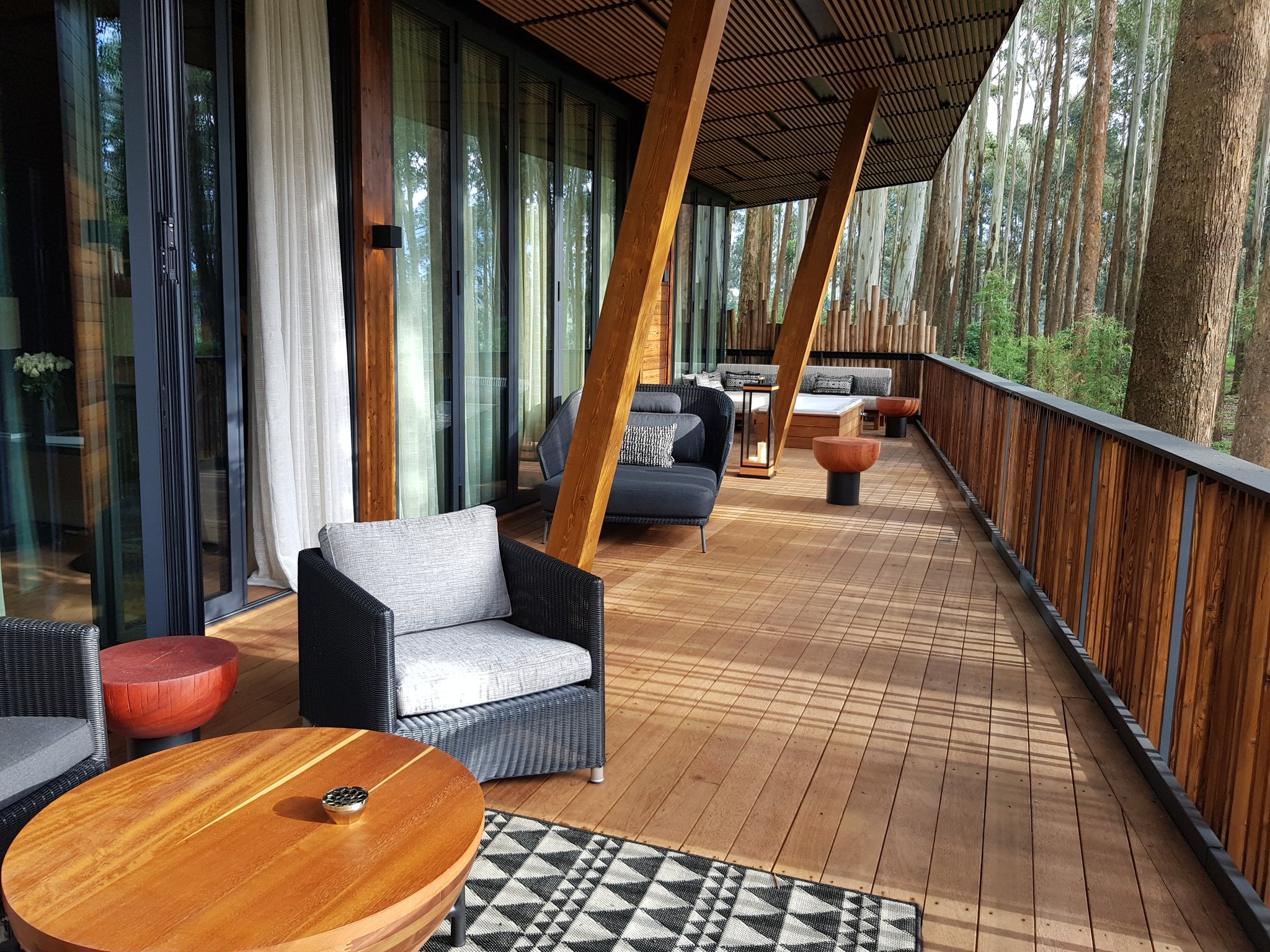 Accommodation plays a big role in shaping your safari experience in Uganda and Rwanda. Both countries offer a wide variety of places to stay, ranging from luxury lodges with breathtaking views to simple budget camps close to nature. Choosing the right option depends on your comfort level, budget, and how close you want to be to the national parks.
Luxury Lodges
Luxury lodges offer a high-end safari experience with exceptional service, spacious rooms or tents, and stunning views of wildlife areas, lakes, or forests. Many include private balconies, gourmet dining, and personalized services such as private guides or butler service.
These lodges are often located in prime positions inside or just outside national parks, giving guests exclusive access to nature and incredible sunrise or sunset views.
Mid-Range Lodges
Mid-range accommodations provide a comfortable and well-balanced option for most travelers. They usually feature private rooms with en-suite bathrooms, good meals, and friendly service, all at a more affordable price than luxury lodges.
They are often located close to park entrances, making it easy to join early morning game drives or trekking activities without long travel times.
Budget Camps and Guesthouses
Budget options are ideal for travelers looking to save money while still staying close to nature. These include basic guesthouses, community-run lodges, and campsites with essential facilities.
While simpler in comfort, they often provide a more local and authentic experience, and are perfect for adventurous travelers who spend most of their time exploring the parks.
Helpful Tip
Whenever possible, try to stay inside or near national parks. This gives you a major advantage—early access to activities such as gorilla trekking, chimpanzee tracking, and game drives, when wildlife is most active and conditions are best for viewing.
Staying closer also reduces travel time in the morning, allowing you to maximize your safari experience and enjoy a more relaxed schedule.
Step 9: Prepare Travel Documents and Health Requirements
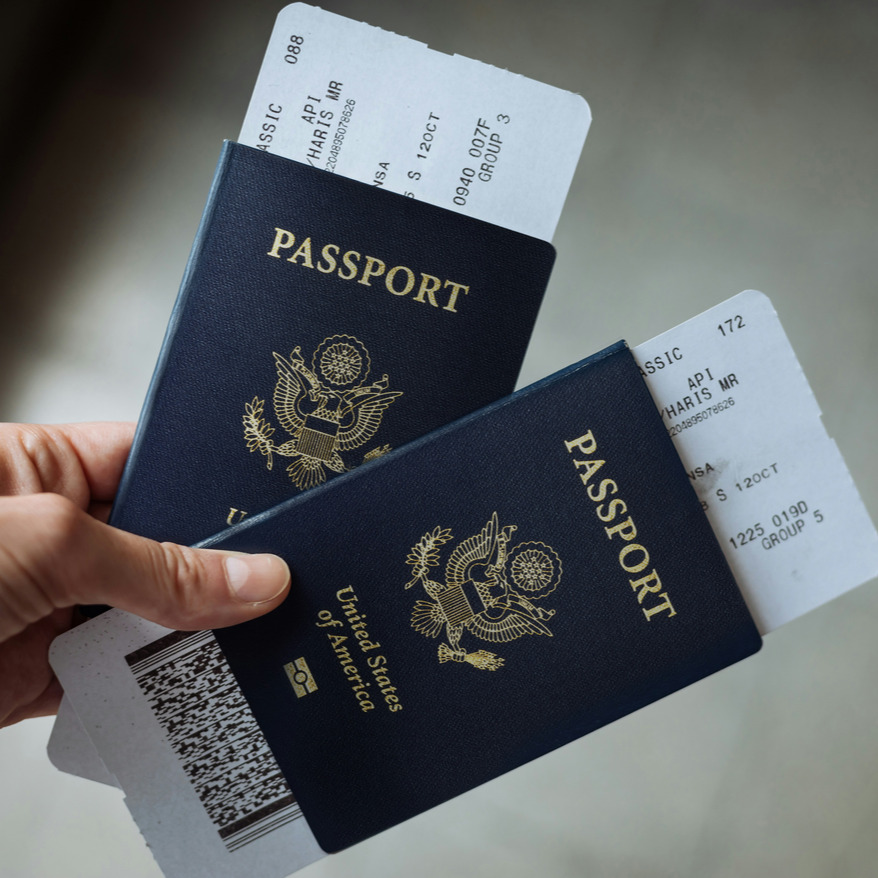 Before starting your safari in Uganda and Rwanda, it’s very important to ensure all your travel documents and health requirements are in order. This helps you avoid delays at the airport or border points and ensures a smooth entry into both countries.
A valid passport
Your passport should be valid for at least six months beyond your travel dates and have a few blank pages for visas and entry stamps. Without this, you may be denied entry or experience delays during immigration checks.
Visa (Uganda, Rwanda, or East Africa Tourist Visa)
Most travelers will need a visa to enter Uganda and Rwanda. You can apply for:
- A Uganda visa or Rwanda visa separately
- Or the East Africa Tourist Visa, which allows multiple entries between Uganda, Rwanda, and Kenya on a single visa
Applying online in advance is recommended to save time at the airport or border.
Yellow fever vaccination certificate (required)
A valid yellow fever vaccination certificate is mandatory for entry into both Uganda and Rwanda. You may be asked to present it upon arrival, so keep it with your travel documents at all times.
Travel insurance (highly recommended)
Travel insurance is strongly advised for any safari. It should ideally cover medical emergencies, trip cancellations, lost luggage, and evacuation services, especially since some safari destinations are in remote areas with limited medical facilities.
Helpful Tip
Entry requirements can change, so it’s always a good idea to check the latest visa rules and health regulations before your trip. This ensures you are fully prepared and avoids last-minute surprises at immigration or border crossings.
Step 10: Plan Activities in Advance
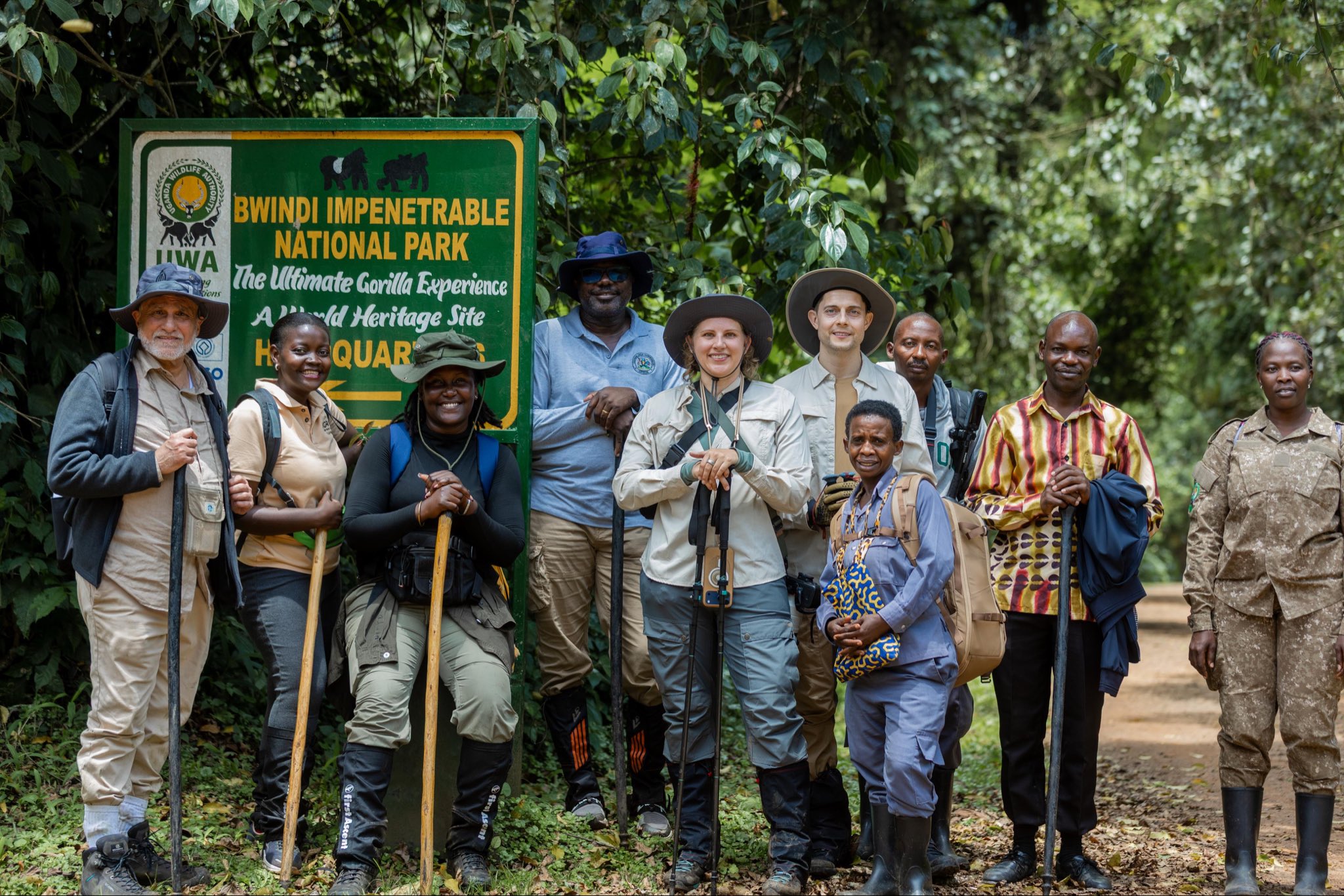 To get the best out of your safari in Uganda and Rwanda, it’s important to plan your main activities early. Many of the most popular experiences require permits, fixed schedules, or early bookings, so organizing everything in advance ensures you don’t miss out.
Gorilla trekking
Gorilla trekking is the highlight of most safaris in Bwindi and Volcanoes National Park. Because permits are limited and highly demanded, you need to book early and choose your trekking sector or park carefully. This activity is physically demanding but offers one of the most unforgettable wildlife encounters in Africa.
Chimpanzee tracking
Chimpanzee tracking in places like Kibale and Nyungwe Forest is another must-do experience. Treks can vary in duration depending on chimp movement, so planning helps you allocate enough time in the park and increase your chances of a successful sighting.
Game drives
Game drives in parks such as Murchison Falls, Queen Elizabeth, and Akagera are best planned for early mornings or late afternoons when animals are most active. Pre-arranging guided drives or routes helps maximize wildlife sightings, including lions, elephants, giraffes, and more.
Boat safaris (Kazinga Channel, Nile River, Lake Ihema)
Boat cruises are a relaxing way to see hippos, crocodiles, and birds up close. These activities often run on set schedules, so it’s best to include them in your itinerary in advance to match your travel route and timing.
Cultural visits and nature walks
Cultural experiences, such as visits to local communities or guided forest walks, add depth to your safari. Planning these ahead ensures availability and allows you to combine them smoothly with your wildlife activities.

