


Complete Guide to Gorilla Trekking in Bwindi Impenetrable National Park
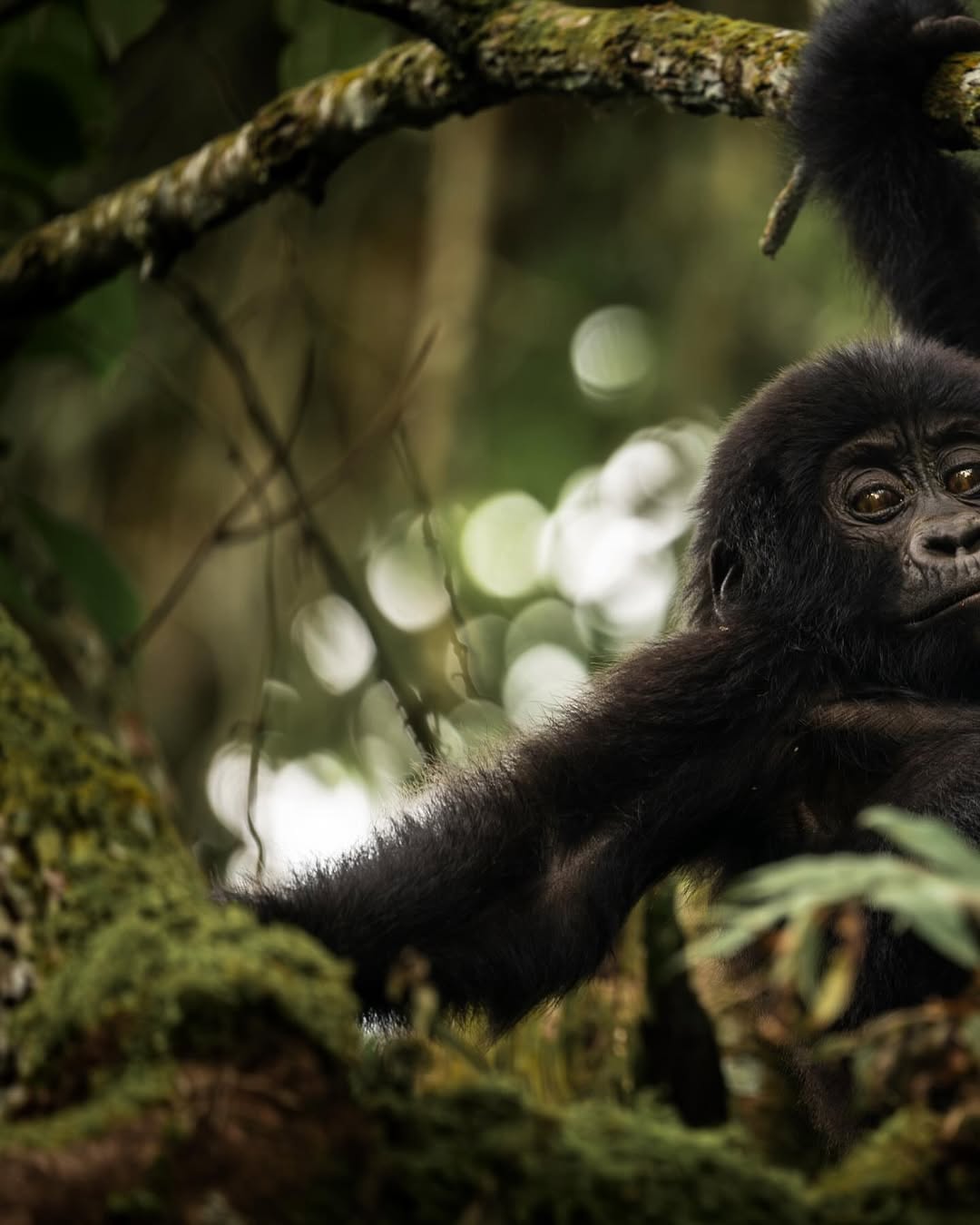
Bwindi Gorilla Trekking Guide
Gorilla trekking in Bwindi Impenetrable National Park is one of the most unforgettable wildlife experiences in Africa. Deep in the misty forests of southwestern Uganda lies one of the last strongholds of the endangered mountain gorilla, offering visitors a rare opportunity to encounter them in the wild.
This Bwindi Gorilla Trekking Guide covers everything you need to know before you go—from permits and trekking sectors to what to expect on the trail and practical travel tips.
About Bwindi Impenetrable National Park
Nestled in the southwestern corner of Uganda, Bwindi Impenetrable National Park is a true gem of Africa’s biodiversity and a UNESCO World Heritage Site. It is famous for its dense rainforest, steep hills, mist-covered valleys, and extraordinary ecological richness.
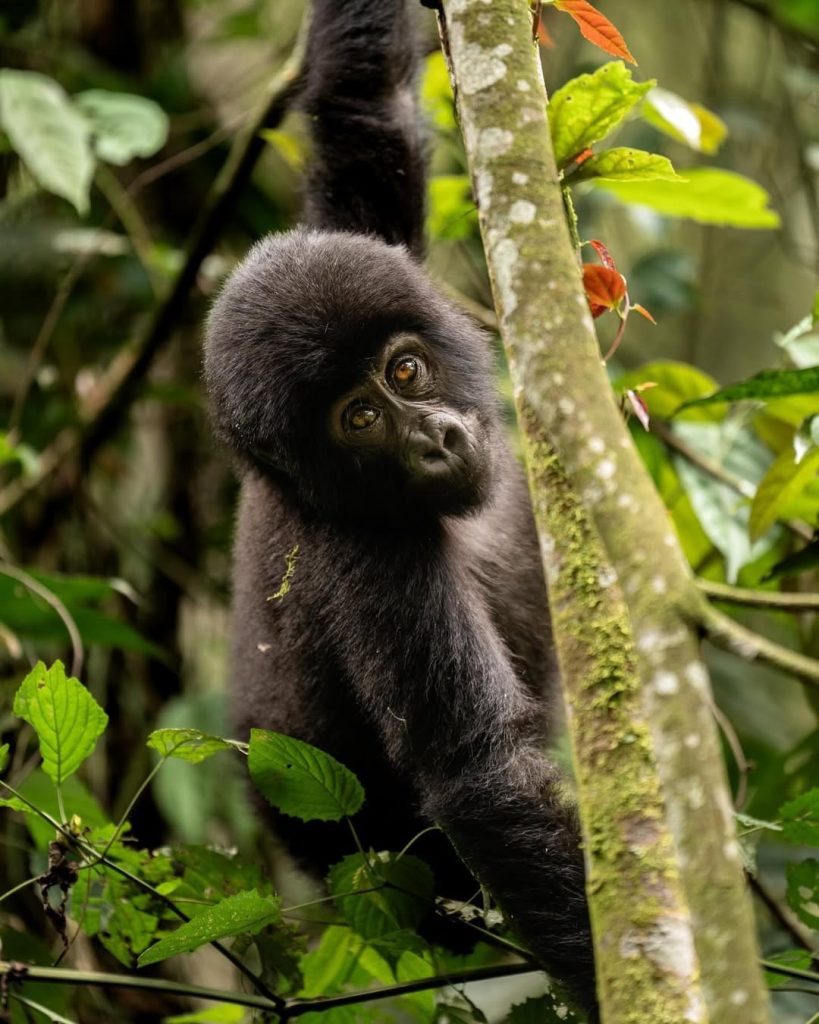
Bwindi is one of only a few places on Earth where you can trek to see mountain gorillas in their natural habitat, and it protects nearly half of the world’s remaining population of these gentle giants. This makes it one of the most important conservation areas in Africa and a top destination for wildlife lovers.
Beyond gorillas, the park is also home to hundreds of bird species, butterflies, chimpanzees, monkeys, and even forest elephants, creating a vibrant and diverse ecosystem that feels truly untouched.
Why Bwindi for Gorilla Trekking?
Bwindi offers a more raw, immersive, and adventurous gorilla trekking experience compared to many other destinations. The park’s thick vegetation, rugged terrain, and rich wildlife make every trek feel like a true expedition into the wild.
Here are some of the key reasons why Bwindi stands out:
- Unmatched Gorilla Encounters – Bwindi is home to over 18 habituated gorilla families, spread across four trekking sectors: Buhoma, Ruhija, Rushaga, and Nkuringo. This increases your chances of a successful trek and allows for varied trekking experiences depending on location and difficulty.
- Exclusive Gorilla Habituation Experience – Bwindi is the only place in the world where you can take part in the gorilla habituation experience. This allows visitors to spend up to four hours with a gorilla family still getting used to human presence, offering a deeper and more educational encounter.
- Scenic and Challenging Trails – The park offers stunning hiking experiences through dense jungle, rolling hills, and misty valleys. Every trek is unique, with unpredictable but rewarding terrain.
- Rich Cultural Encounters – The communities surrounding Bwindi offer authentic cultural experiences, where visitors can learn about local traditions, crafts, and daily life while supporting community-based tourism initiatives.
- More Affordable Compared to Other Destinations – Bwindi offers relatively lower gorilla permit costs compared to Rwanda, making it a more accessible option for many travelers.
- Gorilla trekking permit: $800 per person (foreign non-residents)
- Gorilla habituation permit: $1,500 per person
- Other categories include reduced rates for residents, Africans, and East African nationals
- Exceptional Biodiversity – Beyond gorillas, Bwindi is a biodiversity hotspot with over 350 bird species and a wide range of primates and forest wildlife, making it a paradise for nature enthusiasts.
The Gorilla Trekking Experience in Bwindi
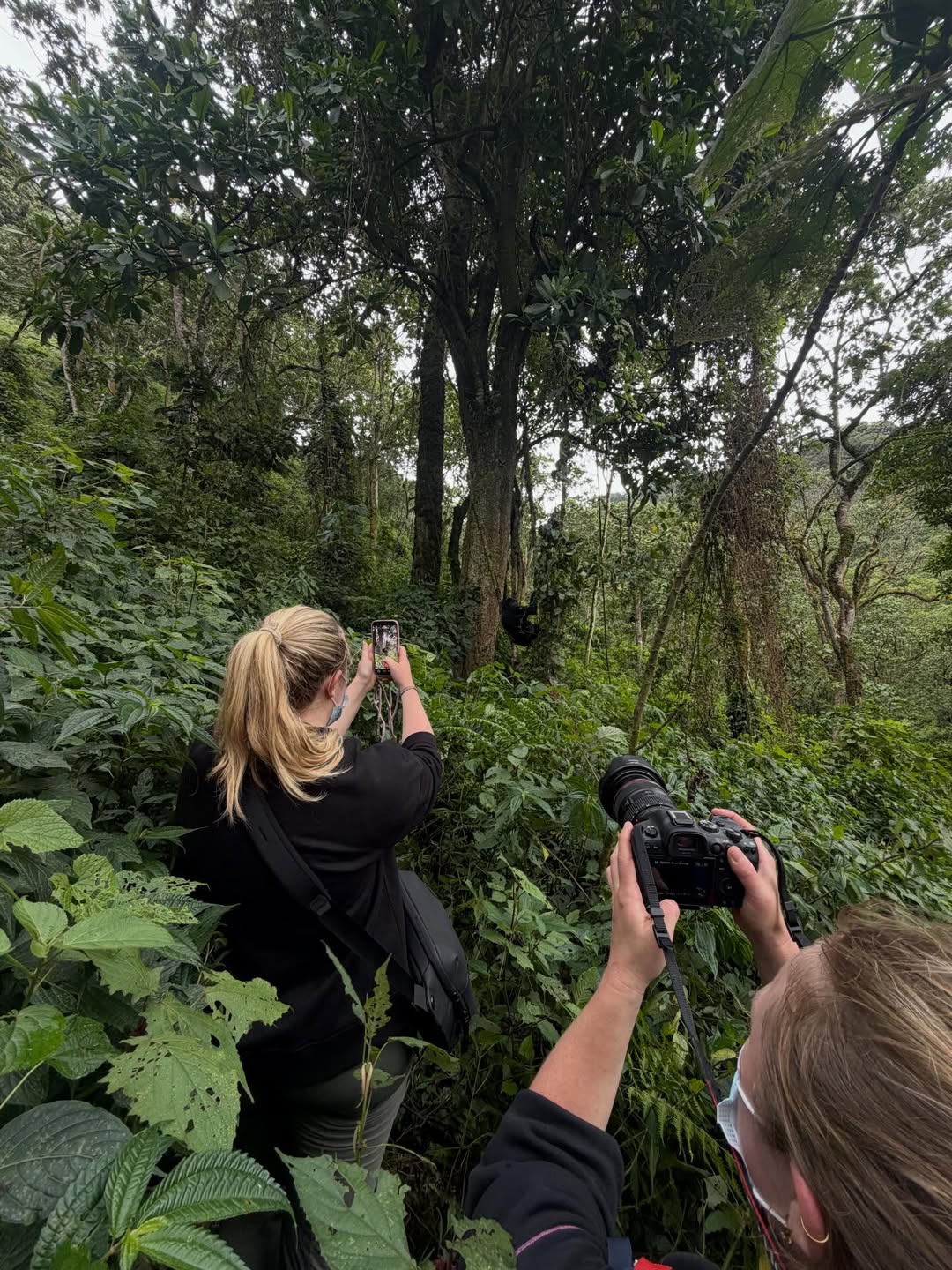 Your Bwindi gorilla trekking adventure begins early in the morning with a briefing at the park headquarters. Here, you are assigned to a specific gorilla family and given important guidelines by experienced rangers who prepare you for the hike ahead.
The trek then leads you deep into the misty rainforest of Bwindi Impenetrable National Park. Depending on the location of the gorillas, the hike can take anywhere from one to several hours. The journey involves moving through dense vegetation, steep slopes, and sometimes muddy trails, making it both challenging and exciting.
As you move through the forest, the atmosphere becomes immersive and alive with birdsong and the sounds of the jungle. Along the way, your guide shares interesting information about the plants, animals, and ecosystem, adding depth to the experience.
The highlight of the trek is the moment you finally meet the gorilla family. You are allowed one hour to observe them as they feed, groom, play, and interact naturally within their group. It is a calm and powerful encounter that feels both intimate and unforgettable.
After the visit, you carefully make your way back through the forest, carrying memories of one of the most remarkable wildlife experiences on earth. Every trek is different, but all share the same sense of adventure, challenge, and awe.
Bwindi Trekking Sectors
Bwindi Impenetrable National Park is divided into four main trekking sectors, each offering a slightly different experience in terms of accessibility, scenery, difficulty, and gorilla family distribution. Choosing the right sector often depends on your permit allocation and travel plans.
Buhoma Sector
Buhoma is the oldest and most established tourism sector in Bwindi, located in the northern part of the park. It is the most accessible sector, especially for travelers coming from Queen Elizabeth National Park or western Uganda routes. Buhoma offers a good range of well-developed lodges, community experiences, and relatively moderate trekking conditions compared to other sectors. The trails here are often less steep, making it a popular choice for first-time trekkers.
Ruhija Sector
Ruhija is located in the eastern part of Bwindi and is known for its higher elevation and cooler climate. This sector offers some of the most scenic trekking experiences, with beautiful views of rolling hills and dense forest valleys. It is generally quieter than Buhoma, providing a more peaceful and less crowded atmosphere. However, the terrain can still be challenging, with steep and uneven trails.
Rushaga Sector
Rushaga is located in the southern part of Bwindi and is one of the most important trekking sectors due to its large number of habituated gorilla families. This increases the chances of permit availability and offers more flexibility for visitors. Rushaga is also the only sector where the gorilla habituation experience takes place, allowing visitors to spend extended time with a gorilla group still getting used to human presence. The terrain varies from moderate to challenging depending on the assigned group.
Nkuringo Sector
Nkuringo is known for its dramatic landscapes and challenging hiking conditions, making it the most physically demanding sector in Bwindi. Located in the southwestern part of the park, it offers breathtaking panoramic views of the Virunga Volcanoes and surrounding forests. The steep terrain can be tough, but the reward is a truly remote and less crowded trekking experience, ideal for adventurous travelers seeking a deeper wilderness feel.
Gorilla Permits in Bwindi
A gorilla trekking permit is required to enter Bwindi and track gorillas.
- Cost: $800 per person (foreign non-residents)
- Includes: Park entry, ranger guide services, and one hour with gorillas
Permits are limited and often sell out months in advance, especially during peak travel seasons (June–September and December–February).
Booking early is highly recommended.
Best Time to Visit Bwindi
Bwindi Impenetrable National Park can be visited all year round, but the experience varies depending on the season.
June to September – Peak Dry Season
This is the best time for gorilla trekking. Trails are drier and easier to walk on, and trekking conditions are generally more comfortable. It is also the busiest season, so permits and lodges should be booked early.
December to February – Short Dry Season
Another great period to visit, with relatively good weather and manageable trekking conditions. It’s popular for holiday travelers and offers a good balance of weather and accessibility.
March to May & October to November – Rainy Seasons
These months bring heavier rainfall, making trails muddy and more challenging to hike. However, the forest is greener and less crowded, offering a more quiet and budget-friendly trekking experience for those who don’t mind the conditions.
How to Get to Bwindi
There are two main ways to reach Bwindi Impenetrable National Park, depending on your time and budget.
By Road
From Kampala or Entebbe, the drive takes about 8–10 hours depending on the trekking sector. The journey is long but scenic, passing through Uganda’s countryside, rolling hills, and small towns, giving you a real feel of the landscape along the way.
By Air
You can also fly from Entebbe International Airport to Kihihi or Kisoro airstrips, followed by a short road transfer to your lodge. This option is much faster and more convenient, but it is more expensive than traveling by road.
What to Expect on Trek Day
Your gorilla trekking experience in Bwindi begins early in the morning with a detailed briefing at the park headquarters. Here, park rangers explain the rules, assign you to a specific gorilla family, and organize trekking groups based on fitness levels and location of the gorillas.
After the briefing, you set off into the forest with experienced guides and rangers who help track the gorillas using fresh signs such as nests, footprints, broken vegetation, and droppings. The hike can be short or long depending on the movement of the gorilla family, and the terrain may include steep slopes, thick vegetation, and muddy paths.
As you move deeper into the forest, the atmosphere becomes increasingly immersive, filled with birdsong and the sounds of the jungle. The anticipation builds until your guides finally locate the gorilla family.
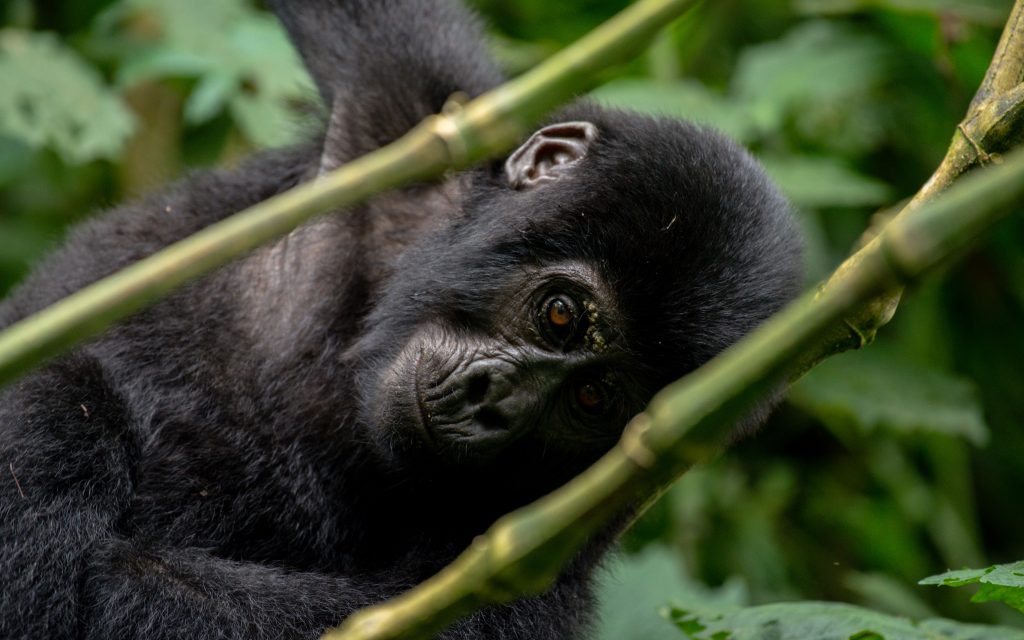
Once found, you are allowed one unforgettable hour to observe them as they go about their daily lives—feeding, grooming, resting, and interacting within their group. It is a calm and deeply moving experience that feels both intimate and powerful.
After the visit, you carefully make your way back through the forest to the starting point. At the end of the trek, you receive a gorilla trekking certificate as a memorable reminder of your adventure in Bwindi.
Difficulty Level
Gorilla trekking in Bwindi Impenetrable National Park is generally considered moderate to challenging, depending on the location of the gorilla family you are assigned and the weather conditions on the day of the trek.
The terrain is often steep and uneven, with long climbs and descents through forested hills. The vegetation is very dense in many areas, meaning hikers sometimes need to carefully push through thick jungle paths. During or after rainfall, the trails can become muddy and slippery, which adds to the physical demand of the experience.
Because of these conditions, the trek can feel easy for some visitors and quite demanding for others, especially if the gorillas have moved deeper into the forest. However, the pace is guided and adjusted to suit the group.
To make the experience more manageable, porters are available at the park entrance and are highly recommended. They assist by carrying backpacks, offering support on difficult sections, and helping you navigate tricky terrain. Hiring a porter not only makes the trek easier but also directly supports local community members who rely on tourism for income.
Accommodation Near Bwindi
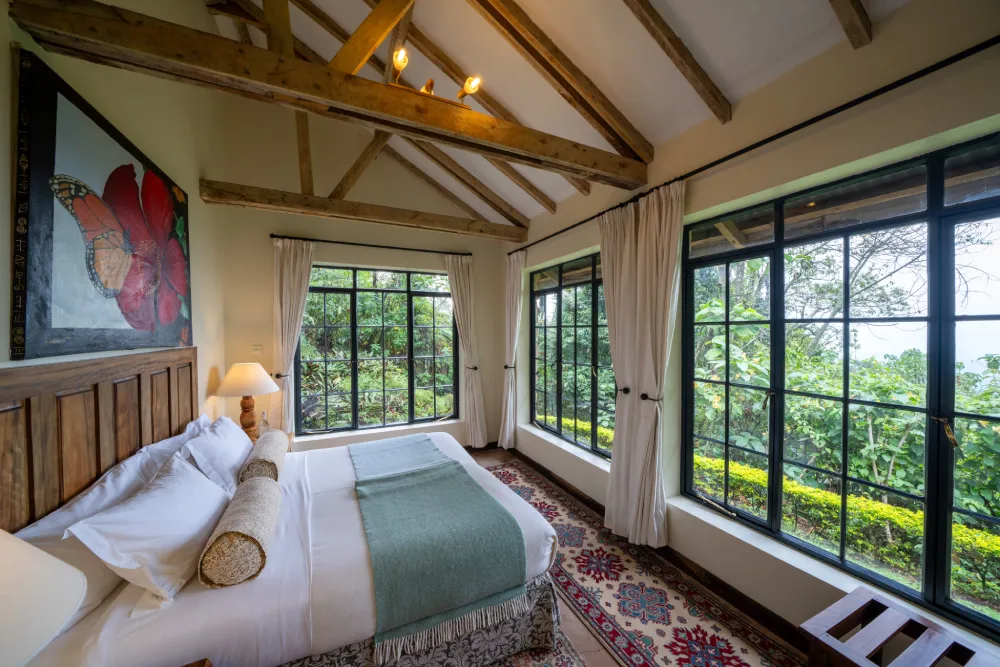 Bwindi Impenetrable National Park offers a wide range of accommodation options to suit different budgets and travel styles. Choosing the right lodge often depends on your trekking sector, as staying nearby helps reduce early morning travel on trek day.
Budget Lodges and Guesthouses
1. Buhoma Community Rest Camp
A simple but comfortable option located near the Buhoma sector. It is popular with budget travelers and offers basic cottages surrounded by nature, along with a strong community tourism feel.
2. Bwindi View Bandas
Located close to the park, these bandas offer affordable accommodation with beautiful views of the forest. It’s a great choice for travelers looking for simplicity and proximity to the trekking starting point.
Mid-Range Safari Lodges
3. Ichumbi Gorilla Lodge
Situated near the Rushaga sector, Ichumbi offers comfortable rooms with modern amenities and great forest views. It balances affordability with a touch of safari comfort.
4. Bakiga Lodge
A well-known mid-range lodge in the Ruhija sector, Bakiga Lodge offers stunning panoramic views of Bwindi’s rolling hills. It is community-focused and ideal for travelers seeking comfort and authenticity.
Luxury Forest Lodges
5. Bwindi Lodge
Located in the Buhoma sector, Bwindi Lodge is a luxury eco-lodge known for its elegant bandas, excellent service, and breathtaking views of the forest canopy. It offers a premium rainforest experience.
6. Clouds Mountain Gorilla Lodge
One of the most exclusive lodges in Bwindi, located near the Nkuringo sector. It features stone cottages, personal butler service, and dramatic views of the Virunga Volcanoes, making it ideal for high-end travelers.
What to Pack for Bwindi
- Hiking boots with good grip – Strong, waterproof hiking boots are essential because Bwindi’s trails are often steep, muddy, and slippery, especially after rain.
- Long trousers and long-sleeved shirts – These help protect your skin from scratches, insects, and thick vegetation as you move through dense forest paths.
- Rain jacket (weather changes quickly) – Bwindi’s weather can shift at any time, so a lightweight waterproof jacket will keep you dry and comfortable during sudden showers.
- Gloves for grabbing vegetation – Gardening or light hiking gloves are useful for holding onto branches and vines while navigating steep or uneven sections of the trail.
- Insect repellent – Helps protect you from mosquito bites and other insects common in the rainforest environment.
- Drinking water and light snacks – Staying hydrated and energized is important, as treks can last several hours depending on the gorilla location.
- Camera (no flash allowed) – A camera is essential for capturing this unforgettable experience, but flash photography is strictly prohibited to protect the gorillas.
Rules for Gorilla Trekking
To ensure the safety of both visitors and gorillas, and to protect these endangered animals in their natural habitat, all trekkers must follow strict park regulations:
- Keep a distance of at least 7 meters – This helps reduce the risk of disease transmission and ensures the gorillas remain comfortable and undisturbed in their natural behavior.
- Do not eat near the gorillas – Food is not allowed in close proximity to gorillas, as it can attract their attention and disrupt their natural feeding patterns.
- No flash photography – Flash can startle or stress the gorillas, so photography is allowed only without flash to protect their wellbeing.
- Do not visit if you are sick – Gorillas are highly susceptible to human illnesses, so visitors showing signs of illness are not permitted to trek.
- Follow ranger instructions at all times – Park rangers are trained to ensure safety and proper behavior, so it is important to listen carefully and follow their guidance throughout the trek.
Final Thoughts
Gorilla trekking in Bwindi Impenetrable National Park is more than just a wildlife activity—it is a powerful encounter with one of the world’s most endangered species in one of Africa’s most beautiful rainforests.
From the challenging hikes to the unforgettable moment of meeting a gorilla family face-to-face, Bwindi delivers an experience that is raw, emotional, and deeply memorable.
For many travelers, it is not just the highlight of a Uganda safari—it is a moment that stays with them for life.

