


Uganda vs Rwanda Gorilla Trekking: Which Is Better?
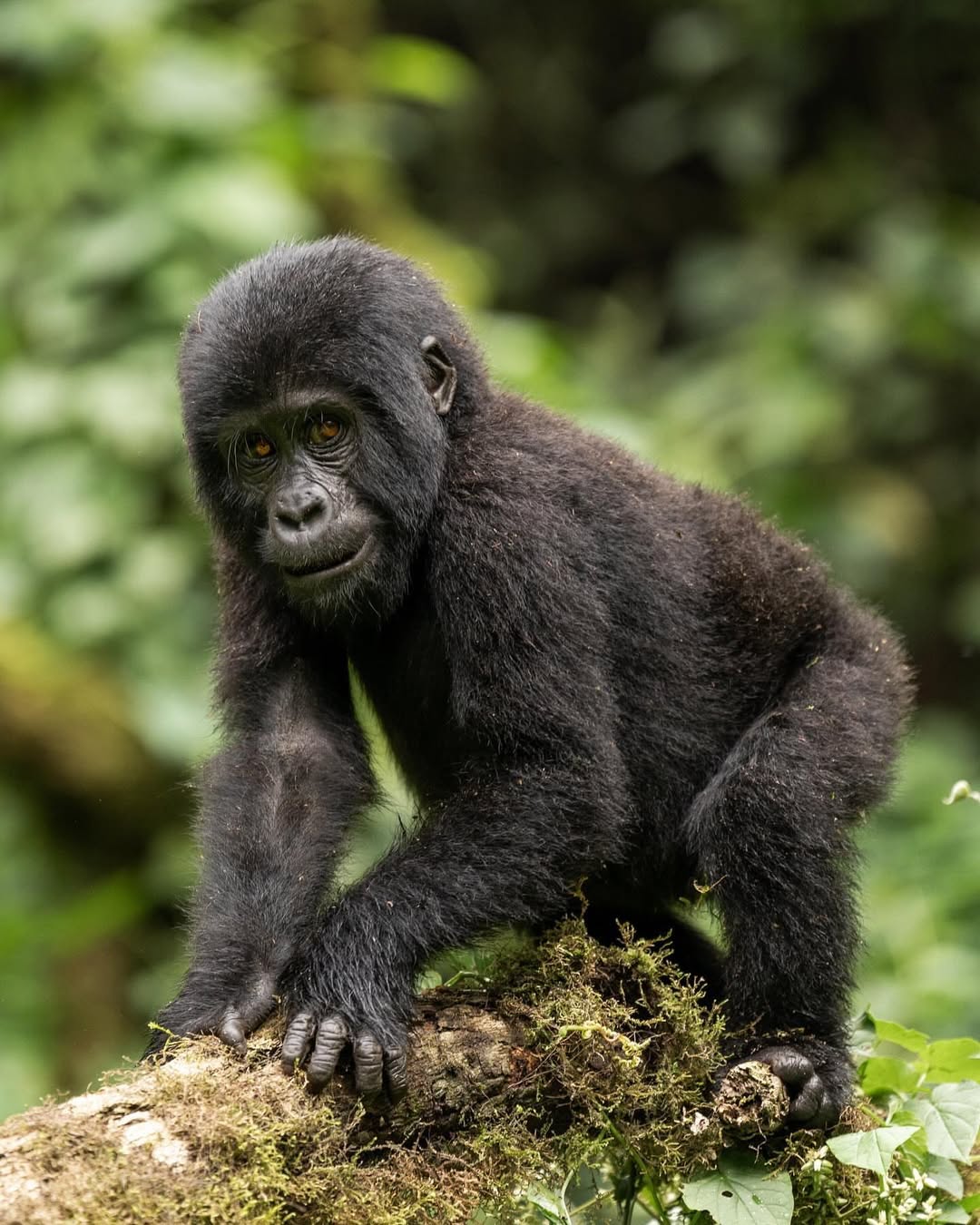
Uganda vs Rwanda Gorilla Trekking
Gorilla trekking is one of the most extraordinary wildlife experiences in the world, offering a rare chance to stand just a few meters away from endangered mountain gorillas in their natural forest habitat. It is a powerful, once-in-a-lifetime encounter that allows you to observe these gentle primates as they feed, play, and interact within their families.
This experience is only possible in a few destinations, with Uganda and Rwanda being the most popular. Both countries protect parts of the Virunga ecosystem and offer well-organized trekking experiences guided by experienced rangers.
While the actual gorilla encounter is similar in both destinations, the overall experience differs in terms of cost, accessibility, trekking difficulty, and travel style. Because of this, the better choice depends on your budget, fitness level, and the kind of safari experience you want.
Let’s explore how they compare! Uganda vs Rwanda Gorilla Trekking.
Gorilla Trekking Experience Overview
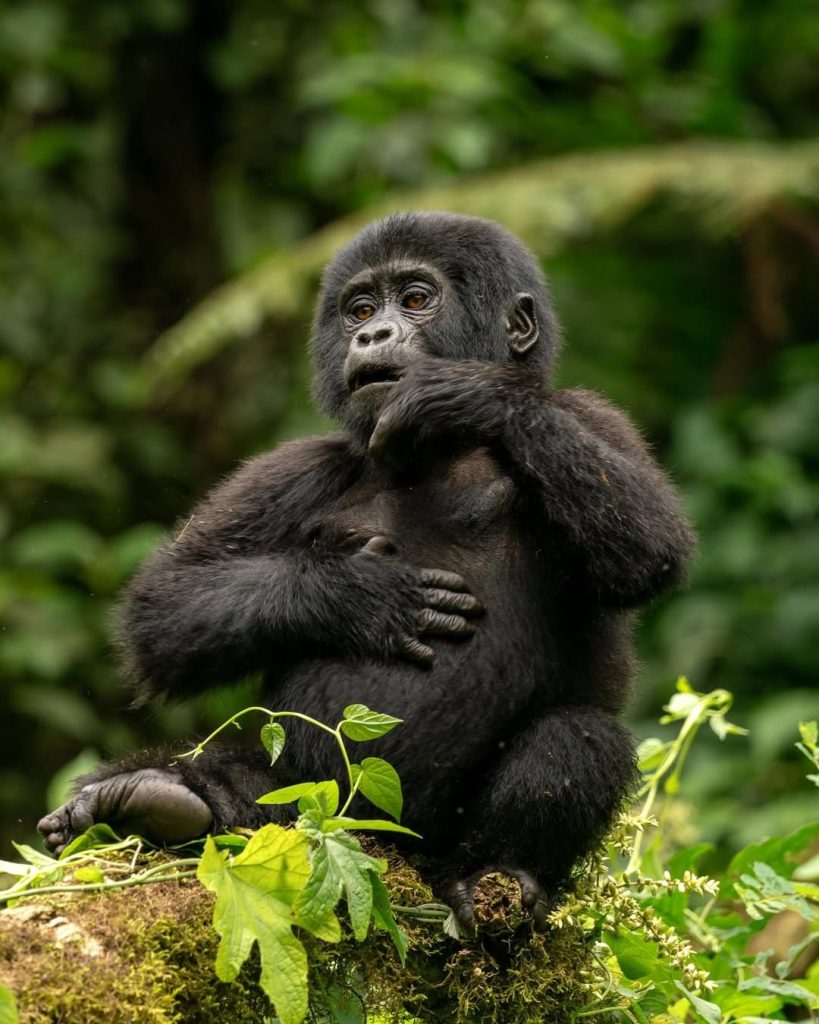
Whether you choose Uganda or Rwanda, the core trekking experience is quite similar. You’ll hike through dense forest with trained rangers, tracking a habituated gorilla family. Once found, you’ll spend one magical hour observing them as they feed, groom, and interact.
That said, the journey to find them—and everything around it—differs significantly between the two countries.
Permit Cost
One of the most important factors when choosing between Uganda and Rwanda for gorilla trekking is the cost of the gorilla permit, which is required to access the parks and spend one hour with a habituated gorilla family.
- Uganda: $800 per person
- Rwanda: $1,500 per person
Uganda is clearly the more affordable option, making it popular among budget and mid-range travelers who want an incredible gorilla experience without the higher price tag. The lower cost also allows visitors to combine gorilla trekking with other safari experiences across Uganda, such as game drives, boat safaris, and chimpanzee tracking.
Rwanda, on the other hand, is positioned as a luxury, high-end destination. The higher permit fee reflects its premium tourism model, which focuses on exclusivity, shorter travel times, well-developed infrastructure, and a more streamlined trekking experience. This makes Rwanda especially attractive for travelers who prefer comfort, convenience, and a more exclusive feel.
Trekking Conditions and Difficulty
Uganda
Gorilla trekking in Uganda takes place in Bwindi Impenetrable National Park and Mgahinga Gorilla National Park, both known for their dense tropical forests and rugged landscapes. The terrain is often steep, muddy, and heavily forested, with thick vegetation that can make movement more challenging.
Treks here can last anywhere from a short hike to several hours depending on the location of the gorilla family on that day. The experience is physically demanding and generally requires a good level of fitness. However, many travelers find that the effort adds to the sense of adventure, wilderness, and achievement, making the encounter feel even more rewarding once the gorillas are finally found.
Rwanda
In Rwanda, gorilla trekking takes place in Volcanoes National Park, where the landscape is more open and less densely forested compared to Bwindi. The terrain is still mountainous, but the hiking conditions are generally smoother and easier to navigate.
Treks are often shorter, and gorilla families can be reached more quickly in many cases. This makes Rwanda a strong option for travelers who prefer a less strenuous hike, are short on time, or want a more comfortable and accessible trekking experience without deep jungle challenges.
Accessibility and Travel Time
Rwanda
Rwanda is often considered the most convenient destination for gorilla trekking, especially for short trips. Volcanoes National Park is located in the northwest of the country, only about a 2–3 hour drive from Kigali International Airport. This close distance makes it very easy for travelers to arrive, transfer to their lodge, and even start trekking within a day of landing.
The roads are well maintained, and logistics are straightforward, which adds to Rwanda’s reputation as a smooth, well-organized safari destination. Because of this ease of access, many visitors choose Rwanda for quick getaways or luxury weekend safaris focused mainly on gorilla trekking.
Uganda
In Uganda, reaching gorilla trekking destinations such as Bwindi Impenetrable National Park or Mgahinga Gorilla National Park requires more travel time. From Entebbe or Kampala, the journey by road usually takes 8–10 hours, depending on traffic and the specific sector of the park you are visiting.
Although the drive is long, it is also very scenic, passing through rolling hills, rural villages, tea plantations, and diverse landscapes that give travelers a deeper feel of Uganda’s countryside. For those who prefer not to drive, domestic flights are available from Entebbe to nearby airstrips such as Kihihi and Kisoro, followed by a short transfer to the park.
Despite the longer travel time, Uganda’s route allows travelers to combine gorilla trekking with other major safari destinations, making it ideal for longer, more diverse itineraries.
Scenery and Environment
Uganda
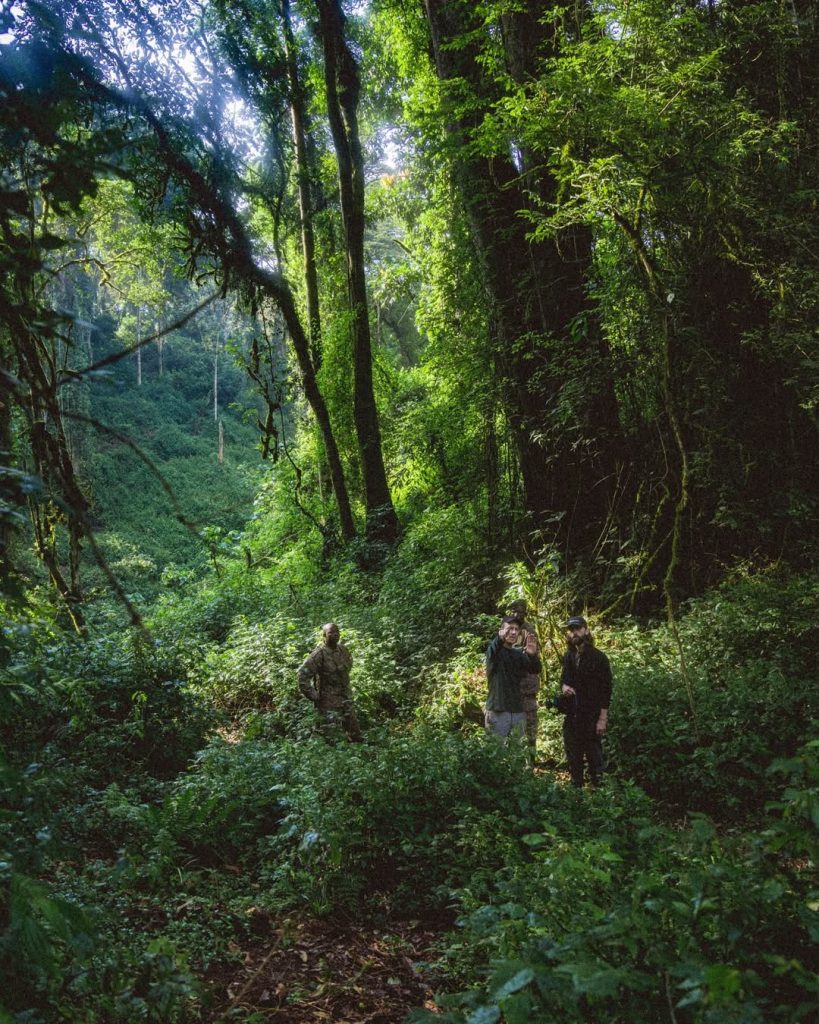
Uganda offers lush, dense rainforest scenery, especially in Bwindi Impenetrable National Park, which is a UNESCO World Heritage Site. The forest is thick and vibrant, filled with rich biodiversity including birds, primates, butterflies, and unique plant life. This creates a deeply immersive jungle experience that feels wild, untouched, and full of life, making it especially rewarding for nature lovers and photographers who enjoy dramatic forest settings.
Rwanda
Rwanda’s Volcanoes National Park features a very different landscape, dominated by dramatic volcanic mountains, rolling green slopes, and bamboo forests. The terrain is more open compared to Uganda, allowing for clearer views and easier photography of the gorillas once found. The overall scenery is highly scenic and iconic, often offering stunning backdrops of misty volcano peaks that make the experience visually unforgettable.
Crowd Levels and Exclusivity
Uganda
Uganda generally offers a less crowded trekking experience because gorilla permits are spread across multiple trekking sectors in Bwindi Impenetrable National Park and Mgahinga Gorilla National Park. With more habituated gorilla families available, visitors are distributed across different areas, which helps reduce congestion on the trails. This creates a more remote, quiet, and spacious jungle experience, ideal for travelers who prefer a deeper sense of wilderness and fewer encounters with other trekking groups.
Rwanda
Rwanda offers a more exclusive and controlled experience, as gorilla trekking is concentrated within Volcanoes National Park, which has fewer habituated groups compared to Uganda. While this adds a sense of prestige and organization, it can also make the park feel busier at times, especially during peak seasons when demand is high. The overall experience remains highly refined, but with a slightly more structured and shared trekking environment.
Accommodation Options
Uganda
Uganda offers a wide and flexible range of accommodation options around its gorilla trekking destinations. Travelers can choose from budget guesthouses, mid-range safari lodges, and high-end luxury camps, depending on their travel style and budget. Many lodges are located close to Bwindi and Mgahinga, providing easy access to trekking starting points. This variety makes Uganda suitable for all types of travelers, from backpackers to luxury safari guests.
Rwanda
Rwanda is best known for its luxury and high-end lodges, particularly around Volcanoes National Park. Properties like Bisate Lodge and Singita Kwitonda offer world-class comfort, exceptional service, and stunning views of the volcanic landscape. While there are a few mid-range options available, Rwanda’s accommodation scene is generally geared toward travelers seeking a more premium and exclusive safari experience.
Additional Safari Opportunities
Uganda
Uganda offers a richer variety of wildlife and activities, making it ideal for a complete safari experience:
- Chimpanzee tracking in Kibale Forest – Kibale is one of the best places in Africa to see chimpanzees in the wild, offering highly rewarding primate encounters.
- Game drives in Queen Elizabeth National Park and Murchison Falls – These parks provide classic savannah safari experiences with elephants, lions, buffalo, giraffes, and more.
- Boat safaris and birdwatching – River cruises along the Nile and Kazinga Channel offer excellent wildlife viewing from the water, especially hippos, crocodiles, and birdlife.
- Gorilla habituation experience (up to 4 hours with gorillas) – A unique opportunity to spend extended time with a gorilla family as they become accustomed to human presence.
Rwanda
Rwanda has fewer safari options but still offers unique experiences:
- Golden monkey tracking – A fun and active experience in Volcanoes National Park, where you can observe playful golden monkeys in bamboo forests.
- Chimpanzee trekking in Nyungwe Forest – A beautiful rainforest experience combined with one of the oldest montane forests in Africa.
- Relaxation at Lake Kivu – A peaceful lakeside destination perfect for rest, boat rides, and cultural experiences after trekking.
- Akagera National Park for Big Five safaris – Rwanda’s savannah park offers game drives where you can spot lions, elephants, rhinos, leopards, and buffalo.
Pros and Cons at a Glance
Uganda
Pros:
- More affordable permits – Uganda offers significantly lower gorilla permit prices, making it a better option for budget and mid-range travelers.
- Greater wildlife diversity – Beyond gorillas, Uganda offers a wide range of safari experiences including chimpanzees, big game, and boat safaris.
- More gorilla families available – With a larger number of habituated groups, there is more flexibility in trekking locations and permits.
- Gorilla habituation experience – Uganda is the only destination offering extended time (up to 4 hours) with gorillas for a more immersive experience.
- Wide range of accommodation options – Travelers can choose from budget lodges to luxury safari camps depending on their preference and budget.
Cons:
- Longer travel times – Reaching gorilla trekking areas often requires long road journeys or domestic flights with transfers.
- More physically demanding treks – The terrain in Bwindi and Mgahinga is steep, dense, and can be challenging for some travelers.
- Dense vegetation can limit photography – Thick forest cover sometimes makes it harder to capture clear, wide gorilla photos.
Rwanda
Pros:
- Easy access from Kigali – Volcanoes National Park is only a short drive from the airport, making travel very convenient.
- Shorter, less strenuous treks – Hiking routes are generally easier and less physically demanding compared to Uganda.
- Luxury lodges and premium experience – Rwanda is known for high-end accommodation and a well-organized tourism system.
- Stunning volcanic scenery – The dramatic landscapes of volcanoes and bamboo forests create a beautiful and iconic backdrop.
Cons:
- Expensive permits – Rwanda has one of the highest gorilla trekking permit costs in Africa.
- Fewer safari options – There are limited wildlife experiences compared to Uganda’s broader safari circuit.
- Limited availability of permits – Fewer gorilla families and high demand mean permits often sell out quickly, requiring early booking.

Which One Should You Choose?
Choose Uganda if:
- You are looking for a more affordable option – Uganda is ideal if you want to experience gorilla trekking at a lower cost while still enjoying an unforgettable wildlife encounter.
- You enjoy adventure and challenging hikes – The trekking experience in Uganda is more rugged and physically demanding, making it perfect for travelers who enjoy a real sense of wilderness and adventure.
- You want to combine gorilla trekking with a full safari itinerary – Uganda allows you to extend your trip easily with game drives, boat safaris, chimpanzee tracking, and visits to multiple national parks, creating a well-rounded safari experience.
- You’re interested in longer gorilla encounters (habituation) – Uganda offers the unique gorilla habituation experience, giving you up to four hours with a gorilla family for a deeper and more immersive interaction.
Choose Rwanda if:
- You prefer convenience and shorter travel times – Rwanda is perfect for travelers who want quick access to gorilla trekking, with the park only a few hours from Kigali International Airport.
- You want a luxury, high-end experience – Rwanda is known for its premium lodges, excellent service, and well-organized tourism infrastructure designed for comfort and exclusivity.
- You prefer a less physically demanding trek – The trekking routes in Rwanda are generally easier, making it suitable for travelers who want a more relaxed hiking experience.
- You are visiting for a short trip – Rwanda is ideal for quick getaways, allowing you to complete gorilla trekking even within a short itinerary or weekend safari.
Final Verdict
Uganda vs Rwanda Gorilla Trekking: Which Is Better?There is no single “better” destination when it comes to gorilla trekking—only the one that best matches your travel style, budget, and expectations.
Uganda is the ideal choice for travelers looking for value, adventure, and a wider safari experience. It offers more affordable permits, a greater variety of wildlife encounters, and the opportunity to combine gorilla trekking with chimpanzee tracking, game drives, and boat safaris across some of Africa’s most iconic national parks. The trekking itself is more rugged and immersive, making it especially rewarding for those who enjoy a true wilderness adventure.
Rwanda, on the other hand, is perfect for travelers who prioritize convenience, comfort, and exclusivity. With shorter travel times from Kigali, well-developed infrastructure, and luxury lodges, it offers a smooth and refined gorilla trekking experience. The hikes are generally less demanding, making it suitable for visitors who prefer a more relaxed and time-efficient safari.
Whichever destination you choose, the experience itself remains incredibly powerful. Standing just a few meters away from a family of mountain gorillas in the wild is a rare and humbling moment that leaves a lasting impression. It is one of those encounters in nature that stays with you long after the journey ends, no matter where you experience it.

